In June, I boarded my first flight in over a year, excited to explore Alaska. During my three-week adventure, I captured stunning images of breaching humpback whales, playful seals, and black bears in lush meadows. As a photography instructor in Southeast Alaska, I've traveled to 52 countries, but nothing compares to the wildlife and scenery here. If you're vaccinated and eager to travel, Alaska is calling. Flights may be busy, but the experience is worth it!
Here are my top 10 photography locations in Southeast Alaska, all shot in 2019 or 2021:
Misty Fjords National Monument
Misty Fjords National Monument
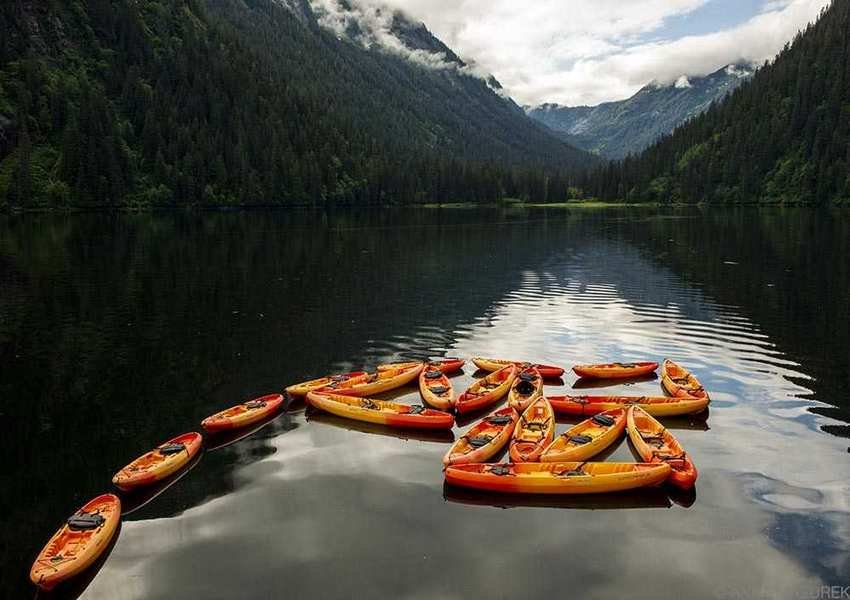 Misty Fjords National Monument spans over 2.3 million acres.
Located 22 miles east of Ketchikan, this second-largest wilderness area in the U.S. features steep fjords rising 3,000 feet along Behm Canal, surrounded by temperate rainforest. With 20 miles of hiking trails, 13 public recreation cabins, and five three-sided shelters, Misty Fjords is part of the Tongass National Forest, the largest national forest in the U.S., receiving over 200 inches of rain yearly. During my visits, I enjoyed more sunshine than usual!
Nearest City: Ketchikan. Boat or floatplane day trips are ideal for exploring.
John Hopkins Glacier – Glacier Bay National Park
John Hopkins Glacier – Glacier Bay National Park
 The breathtaking approach to John Hopkins Glacier in Glacier Bay National Park.
Visiting Glacier Bay National Park is essential for any Southeast Alaska trip. Once covered entirely by a single tidewater glacier over 250 years ago, it has retreated 60 miles since 1750. Among the park's over 1,045 glaciers, John Hopkins Glacier is one of seven active tidewater glaciers that calve into the bay, towering 250 feet above water and spanning a mile in width.
The park is accessible by boat, and permits are limited in summer. Kayaking is also a great way to explore, with rentals and guided tours available. A 10-mile road connects Gustavus to Bartlett Cove, home to the visitor center, where you can take a lovely short boardwalk trail. Don't miss Snow, the skeleton of a humpback whale struck by a ship nearby. The park offers strong protections for these whales, with a 100-yard viewing distance set by NOAA.
For a fascinating history, read John Muir and the Ice that Started a Fire by Kim Heacox. It's an excellent biography of John Muir.
Nearest City: Gustavus
South Marble Island, Glacier Bay National Park
South Marble Island, Glacier Bay National Park
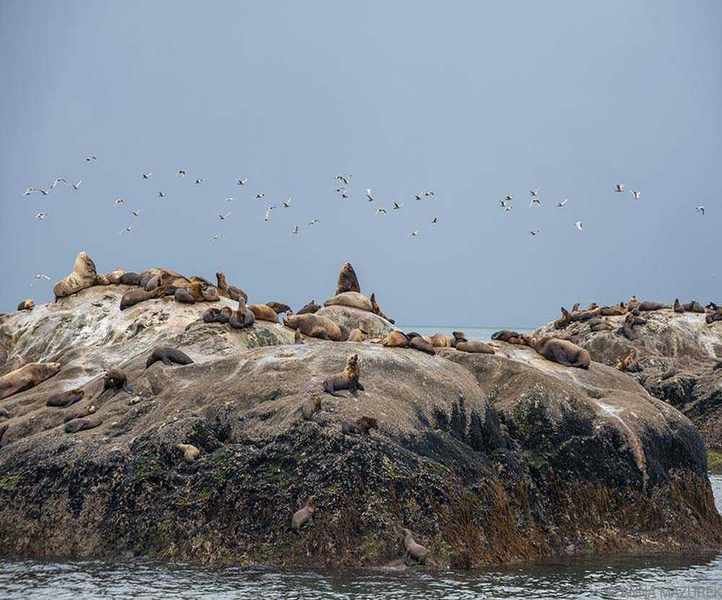 Stellar sea lions gather on rocks at South Marble Island during low tide.
Situated at the entrance of Glacier Bay, South Marble Island boasts nutrient-rich waters perfect for wildlife. It's a nesting ground for numerous seabirds and a haul-out for sea lions, particularly the bachelors that couldn't compete with dominant males on breeding islands.
Nearest City: Gustavus
Petersburg
 The Sons of Norway Hall is beautifully reflected in the water during high tide in Petersburg.
Petersburg, a charming Norwegian fishing village, is one of my favorite towns in Southeast Alaska (Sitka is a close second). Across the water on Kupreanof Island, you can hike the Petersburg Lake Trail, which meanders through a unique muskeg ecosystem. The coastal bike path is stunning, and Sandy Beach offers a picturesque spot for photos with its raised wooden walkway through the forest (keep bear spray handy!). The summer wildflowers along the coast are vibrant. Another picturesque location is Birch Street, a dead-end road lined with stilt houses best captured at high tide from South Nordic Drive.
Tracy Arm-Fords Terror Wilderness
Tracy Arm-Fords Terror Wilderness
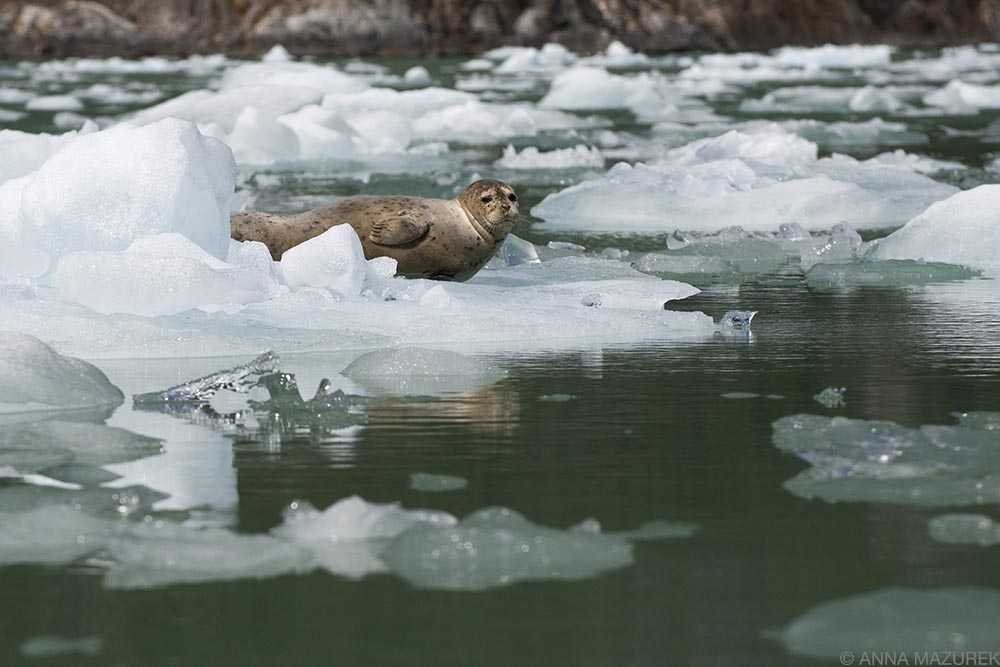 Icebergs near tidewater glaciers provide a safe haven for harbor seals.
This stunning region features two narrow fjords, Tracy and Endicott Arm, each about 30 miles long and ending at tidewater glaciers. I adore Tracy Arm, home to my favorite glacier, South Sawyer Glacier. I've visited around ten times and never tire of it. June is ideal for seeing harbor seal pups lounging on icebergs, where they find safety. The drastic tide changes (up to 22 feet) help keep the icebergs afloat, providing a refuge for seals. I recommend using a Zodiac or smaller boat for the best photo angles; larger vessels can't get as close.
Nearest City: Juneau
Inian Islands
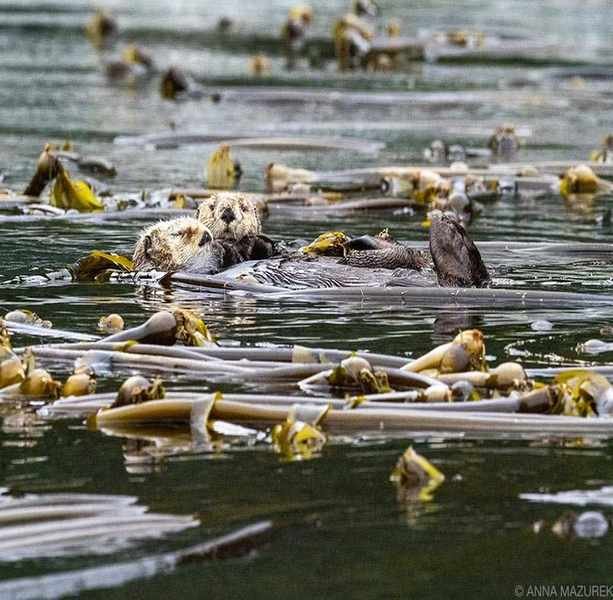
The Inian Islands are prime wildlife photography spots in Southeast Alaska, located where Icy Strait meets the Pacific. The nutrient-rich upwelling attracts various marine life, including sea otters, stellar sea lions, and bald eagles. This area served as a summer fishing camp for the local Hoonah Tlingit people before becoming a wilderness area in 1990.
Nearest City: Gustavus or Hoonah (Elfin Cove Fish Camp is nearby).
Chatham Strait
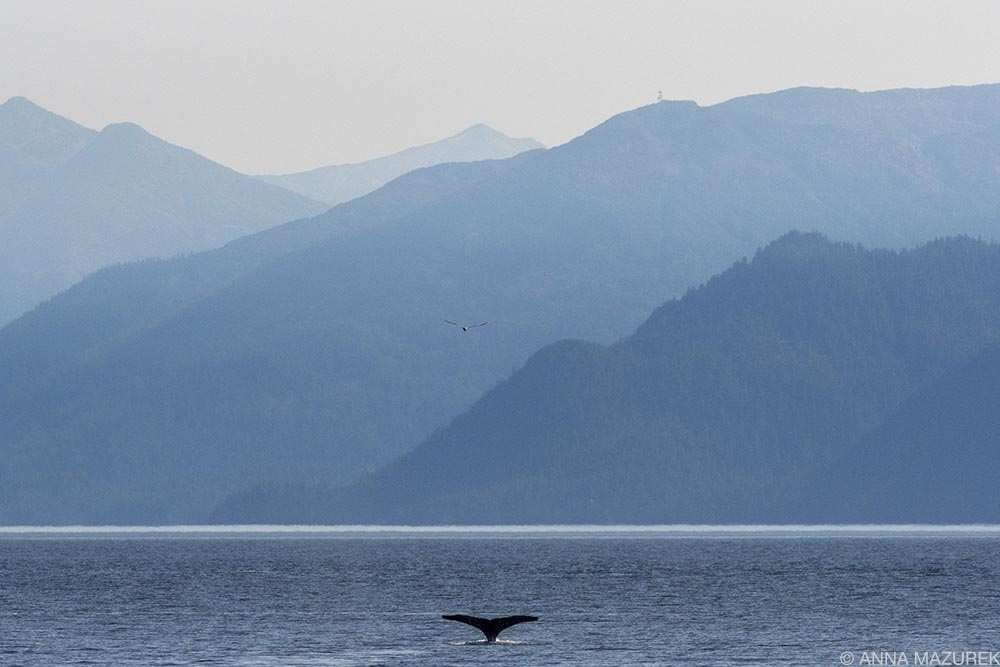
Chatham Strait is another excellent location for whale watching, stretching 150 miles from Icy Strait to Coronation Island. This passage varies from three to ten miles wide and forms part of the Inside Passage. This summer, I observed over 50 whales near Tebenkof Bay, including several groups engaging in bubble-net feeding. While they were too far for great shots, the sight was incredible!
Alaska Raptor Center, Sitka
Alaska Raptor Center, Sitka
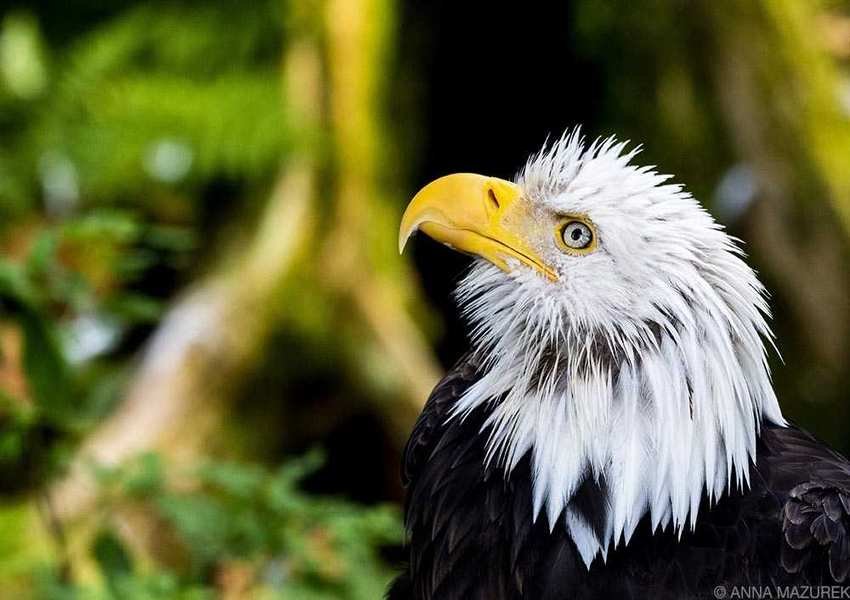 A close-up of a bald eagle, shot with a 600mm lens at the Alaska Raptor Center.
This nonprofit began in 1980 with a single injured bald eagle and now rehabilitates over 200 birds annually. While they work to release many, some remain due to severe injuries and become part of their educational program, Raptors-In-Residence. I captured this bald eagle outside the center, where wild eagles often gather. It's a fantastic place for close-up shots, and Sitka itself is quaint, with only 14 miles of paved roads. I highly recommend visiting Sitka National Historical Park.
Eldred Rock Lighthouse, Haines
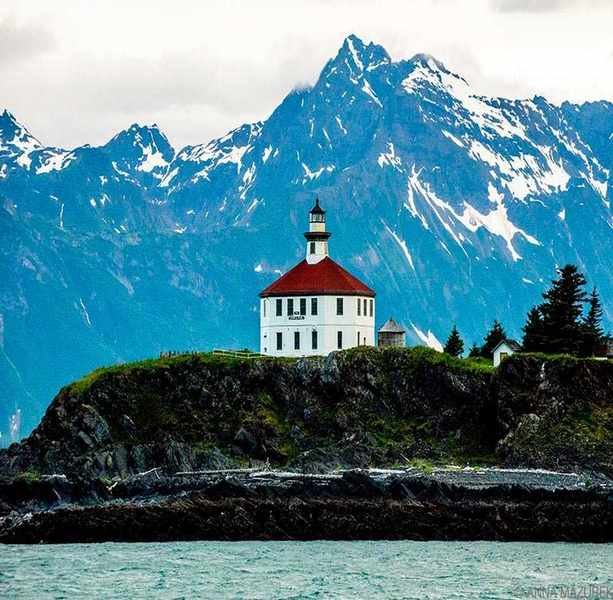 Eldred Rock Lighthouse, built in 1905, is the oldest original Alaskan lighthouse.
I spotted this octagonal lighthouse on a map and convinced my expedition leader to circle it at sunset for photos. Located on an island in Lynn Canal along the route to Haines, this lighthouse is not publicly accessible. Haines is known for adventure activities, and I particularly enjoyed the Hammer Museum, which showcases an impressive collection of hammers from around the world, along with a brewery that crafts spruce-tip beer and other charming shops.
Nearest City: Haines. The lighthouse can be seen from the ferry.
Port Adolphus
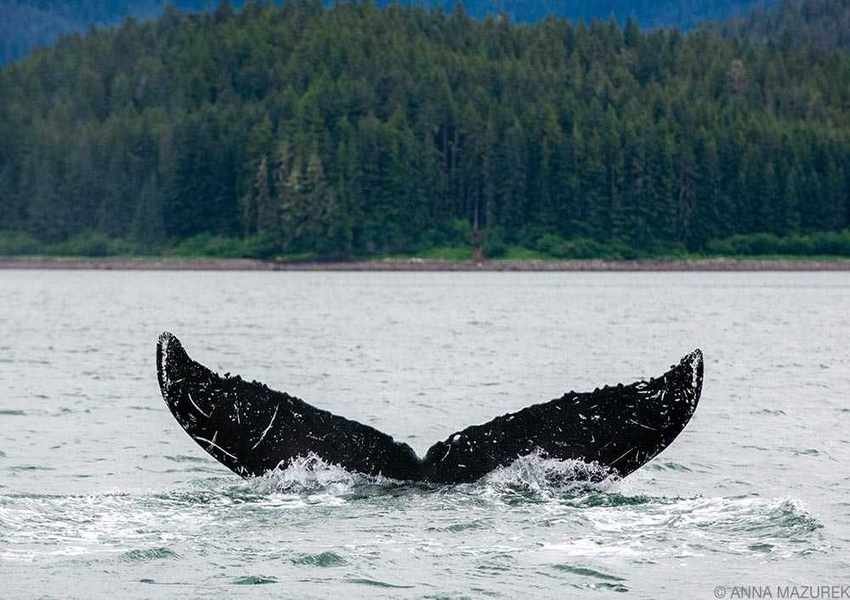 Each humpback whale has a unique tail pattern, acting as a fingerprint.
Situated at the northern tip of Chichagof Island, Port Adolphus is ideal for observing humpback whales and birds. I had amazing close encounters with whales while cruising in Zodiac boats—they approached us closely! This photo was taken with a 70-200mm lens.
Getting There

A black bear walking along the shore in Misty Fjords National Monument. (Black bears can appear brown and have distinct facial features compared to brown bears.)
Sitka, Juneau, and Ketchikan are the largest cities in Southeast Alaska, making them excellent starting points for your journey. I personally favor Sitka among the three. Direct flights from Seattle connect to all of them. From there, you can explore via boat (day tours or charters) or fly to other cities. The Alaska Ferry System is another travel option.
Camera Gear for Alaska
 Tracy Arm, Alaska // I love photographing the pristine underside of flipped icebergs; only 10% of an iceberg is visible above water.
Packing camera gear for Alaska can be challenging due to varying weather conditions. I suggest a wide-angle lens (24-70mm) and a zoom lens (at least 400mm); a 200mm is often inadequate, especially for wildlife photography. Macro photography is also fantastic in the forests and tidal zones.
Summer weather is typically sunny or overcast with light rain, so bring rain covers and dry bags for your gear. If photographing wildlife from a boat, use a fast shutter speed (at least 1/1600, ideally 1/2500). Lenses with vibration reduction and a circular polarizer for sunny days are helpful. Overcast days can enhance glacier photography, as the blue tones stand out more.
Summer Packing Essentials for Alaska
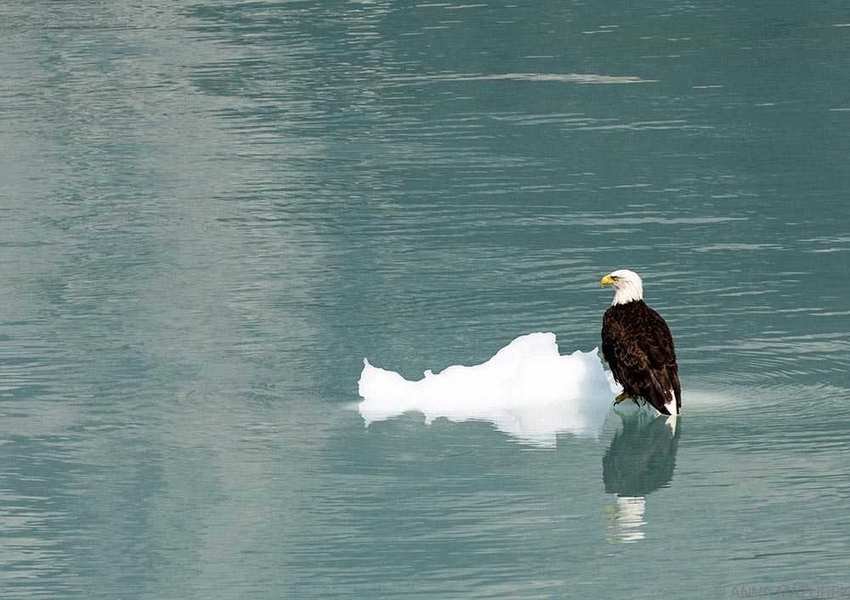 A bald eagle resting on an iceberg in Glacier Bay National Park.
After spending two summers in Alaska, I've compiled a list of must-have items for your trip:
Gortex raincoat & rain pants (I recommend full-zip pants like these).
Tall waterproof boots (Everyone in Alaska wears XtraTuffs—they're fantastic for hiking).
- Waterproof baseball cap (This keeps rain off my face during boat rides; I often wear an ear warmer headband over it to prevent it from blowing away).
- Waterproof socks and gloves (I layer Dexshell waterproof socks over regular socks, paired with Glacier Gloves).
- SPF shirts for sunny days (I love these Columbia long-sleeve options).
- Dry bag for camera gear and rain cover (I always carry this 13L lightweight dry bag).
- Durable hiking pants (My go-to is PrAna Halle pants, layered under my waterproof pants).
- Thermal tops and bottoms (It's chilly near glaciers!).
- Buff (I keep one around my neck most days; scarves are too cumbersome).
- A hiking backpack with waist straps (It saves your back; I love my Osprey pack!).
- Bear spray (Purchase upon arrival since you can't take it on a plane).
- John Muir and the Ice that Started a Fire by Kim Heacox (This biography is a must-read for any Alaska trip, offering great context).
*Some affiliate links are included in this post. If you make a purchase, I receive a small commission at no extra cost to you, which helps maintain this blog. I only recommend products and companies I truly love and use. Please email me with any questions.