

Every time I stroll past the discount houseplant aisle at my local garden center, I can't resist picking one up. While these plants might seem hopeless, a bit of love can transform them into thriving beauties.
Even when these plants have suffered from common indoor plant issues, with yellowing leaves and pests, you can help them recover through careful pruning, repotting, and proper care. Patience is key, as it takes time for them to fully bounce back, but the experience can be both enjoyable and fulfilling.
No matter the condition of the plants, I believe making an effort is worthwhile. Plus, you'll save money while adding to your indoor greenery. Here are five straightforward steps to rejuvenate your struggling houseplants.
1. Identify Signs of Life

Houseplants can still be alive even if they aren't visibly growing.
The first thing to do is check if the plants are still alive. You don't want to waste your time and money on a plant that can't be revived.
Begin by inspecting the stems. They should be green, flexible, and firm, not brown, brittle, or woody. You can perform a scratch test, especially useful for dormant plants without visible growth.
Next, examine the roots. Gently remove the plant from its pot and inspect the root ball. Healthy roots appear white and firm, while dark, mushy roots indicate severe rot.
If you see signs of life, take that houseplant home to start the revival process.
2. Inspect for Pests

Pests often hide on the underside of plant leaves.
It's wise to isolate any new plants, whether they're healthy or from the clearance section. This will protect your existing plants from potential pests.
Check the undersides of the leaves for pests like thrips, spider mites, and aphids.
Signs of pest presence include leaf spotting, sticky residue, fine webbing, and stunted growth.
These indicators may suggest a past issue rather than an ongoing one, but early detection is crucial for managing any infestations.
Neem oil (such as this neem oil spray available on Amazon) is an effective natural remedy for a variety of pests.
3. Trim Damaged Leaves

Always use clean cuts when pruning to prevent further harm.
The next step is to prune any damaged foliage.
Gather essential pruning tools, like these snips from Amazon or bypass pruning shears (great for woodier plants).
Following the one-third pruning rule can prevent further shock to the plant; make clean cuts at the base of stems to remove the most affected leaves.
Remove discolored leaves, as they won't revive and may drain the plant's energy. This encourages the plant to focus on new, healthy growth.
Trimming away dying material also helps reduce pest and disease problems.
Additionally, consider trimming roots that appear rotten.
4. Soak the Plant
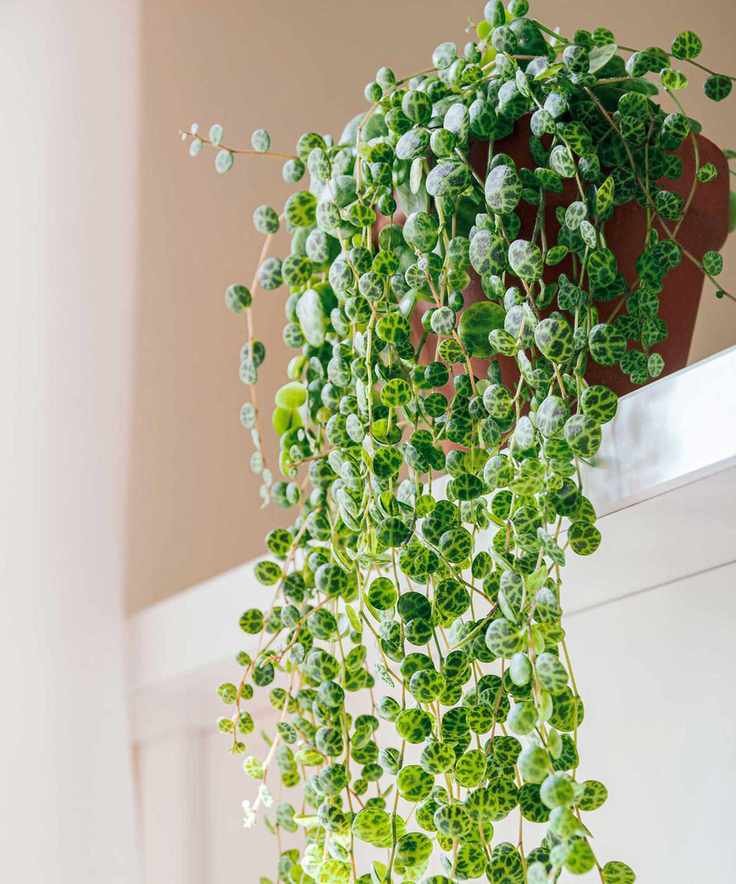
Soaking can help hydrate the plants effectively.
This step hinges on how dry the plant's soil is. If it's parched, a thorough soaking may be beneficial.
Submerge the plant in a bowl or sink filled with water for 30 minutes to an hour if it's severely dehydrated.
Bottom watering like this is excellent for dehydrated plants and those with hydrophobic soil, allowing roots to absorb the necessary moisture – my plants often perk up afterward.
In the future, using a soil moisture meter (this one from Amazon) will help you determine when to water your plants, preventing over or underwatering.
5. Use Fresh Soil

Fresh potting soil can enhance plant growth.
To give your plants the best shot at recovery, it's essential to repot them with fresh potting soil.
This not only improves drainage but also provides nutrients to support recovery.
Choosing the right potting soil depends on the type of plant.
A well-draining all-purpose potting mix (like this from Lowe's) is suitable for most indoor plants, but you can also find specific orchid bark mixes (from Walmart) and cactus and succulent soil (available on Amazon).
If the plants are slightly root-bound, transferring them to a bigger pot along with fresh soil will encourage better growth.


