Honeysuckle, a cherished member of the Lonicera family, encompasses around 160 species found globally, particularly in regions like North America, Europe, and Asia. To create a thriving garden, choosing native varieties is always the best approach.
While some honeysuckles are delightful, others can be detrimental. Invasive non-native types grow rapidly, choking out local plants and disrupting the ecosystem. They may be visually appealing, but they can harm our flora and fauna.
If you're looking to cultivate honeysuckle, selecting native varieties is key. They thrive in your local soil and climate, providing nectar and berries that support various pollinators and birds. Here's a rundown of some stunning native honeysuckles that attract a host of wildlife.
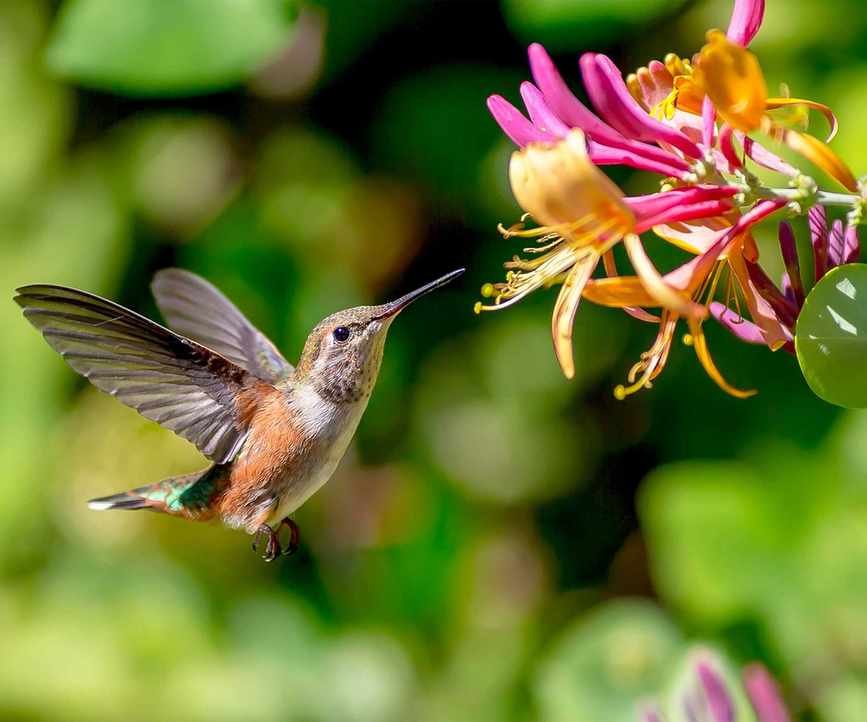
5 Fantastic Honeysuckles for a Wildlife-Friendly Space
We aim to assist you in making informed choices for your garden and local wildlife. Here are five native honeysuckle shrubs that shine, plus a heads-up on invasive species to steer clear of.
Before planting climbing honeysuckle, ensure you have the necessary support structure ready. This could be a trellis, arbor, or any suitable framework, like this charming metal arbor for climbing plants from Wayfair.
1. Coral Honeysuckle
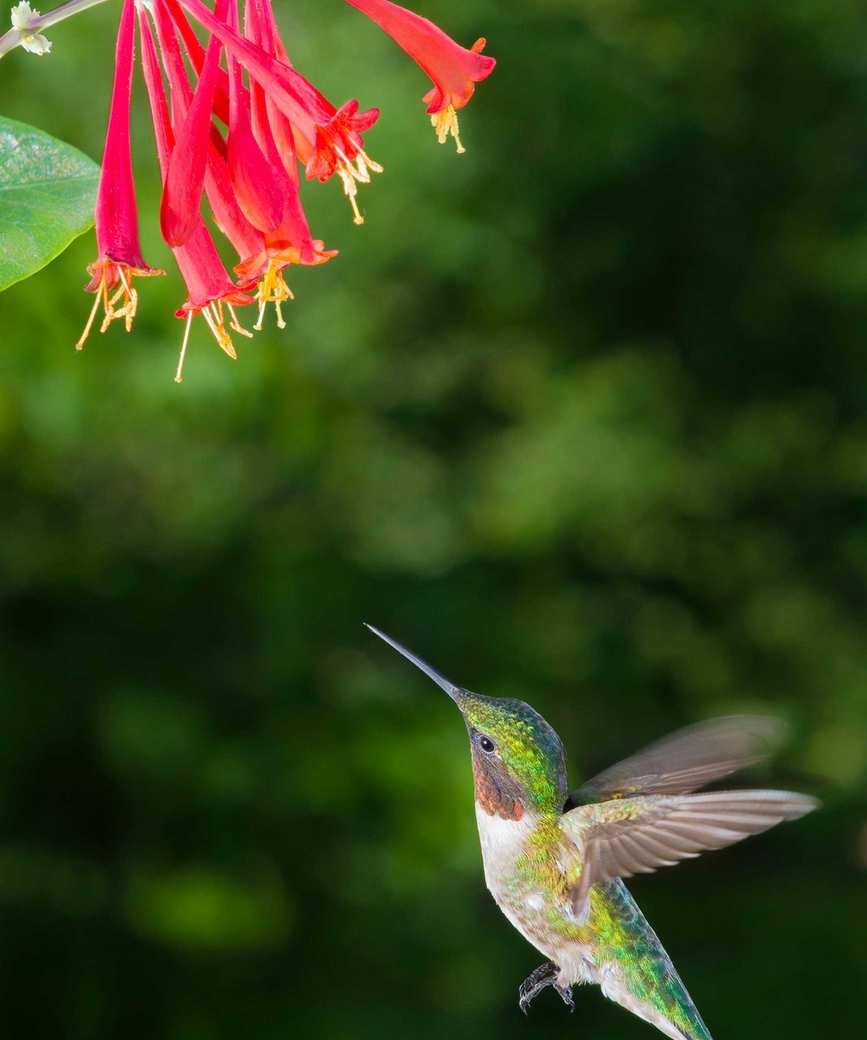
Lonicera sempervirens, known as coral honeysuckle or trumpet honeysuckle, thrives in the eastern U.S. It's a favorite among gardeners aiming to create a buzzing wildlife garden.
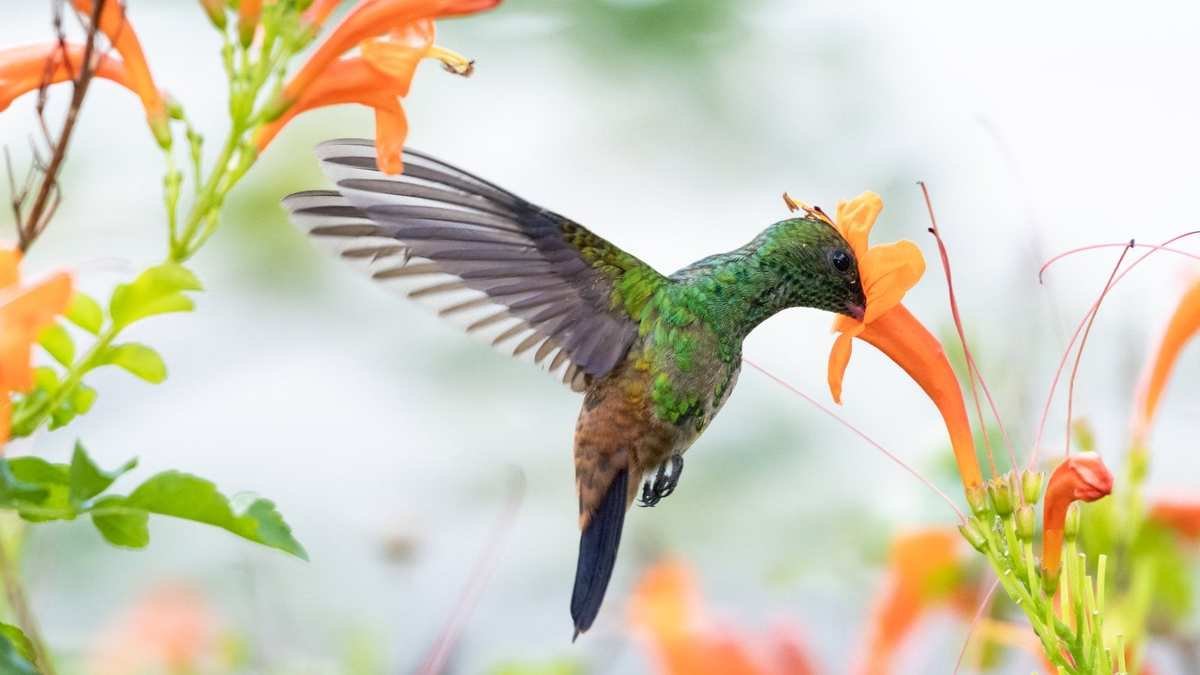
This vigorous vine displays tubular coral-red flowers that attract hummingbirds, bees, butterflies, and moths. In the fall, red berries emerge, delightful to birds like finches and robins.
You can grow coral honeysuckle in USDA zones 4-9, thriving in full sun to partial shade. It's perfect for adorning trellises, fences, or arbors. If you're seeking a climber for hummingbirds, this should be your top pick.
A live coral honeysuckle plant is available on Amazon for your garden.
2. Yellow Honeysuckle
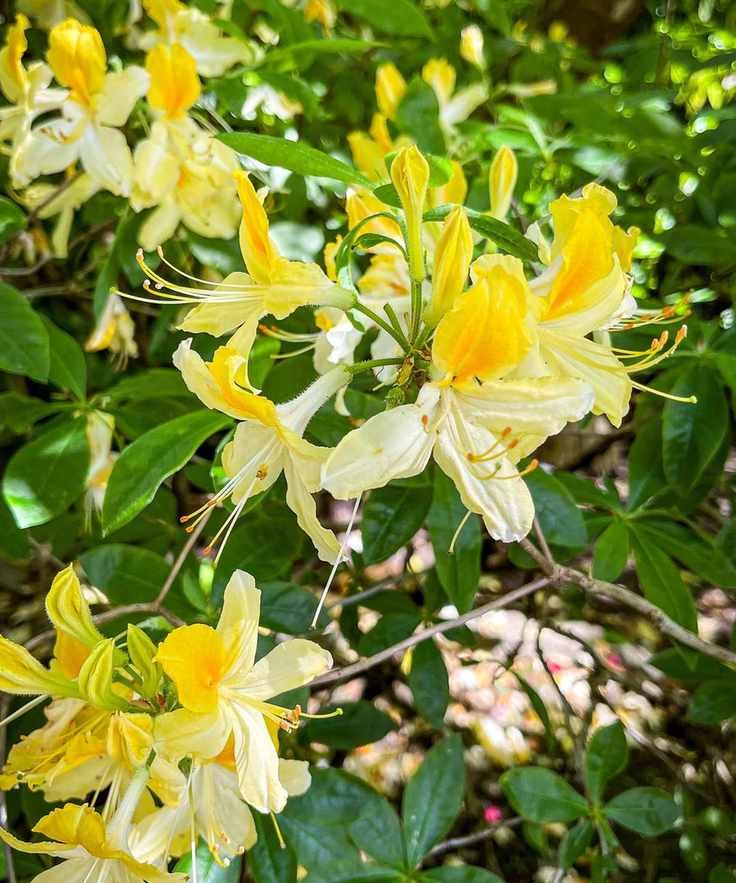
Yellow honeysuckle (Lonicera flava) is a rapid climber native to the central and eastern U.S.
This woody species features fragrant, tubular yellow flowers with protruding stamens, perfect for attracting hummingbirds, bees, and butterflies. Its strong nighttime aroma also lures nocturnal pollinators like moths.
During late summer and fall, the reddish-orange berries attract thrushes, warblers, robins, and bullfinches.
Suitable for USDA zones 5-8, yellow honeysuckle flourishes in full sun, growing to heights of 10-20 feet and widths of 3-6 feet. It can effectively cover fences, trellises, or sheds.
3. Orange Honeysuckle
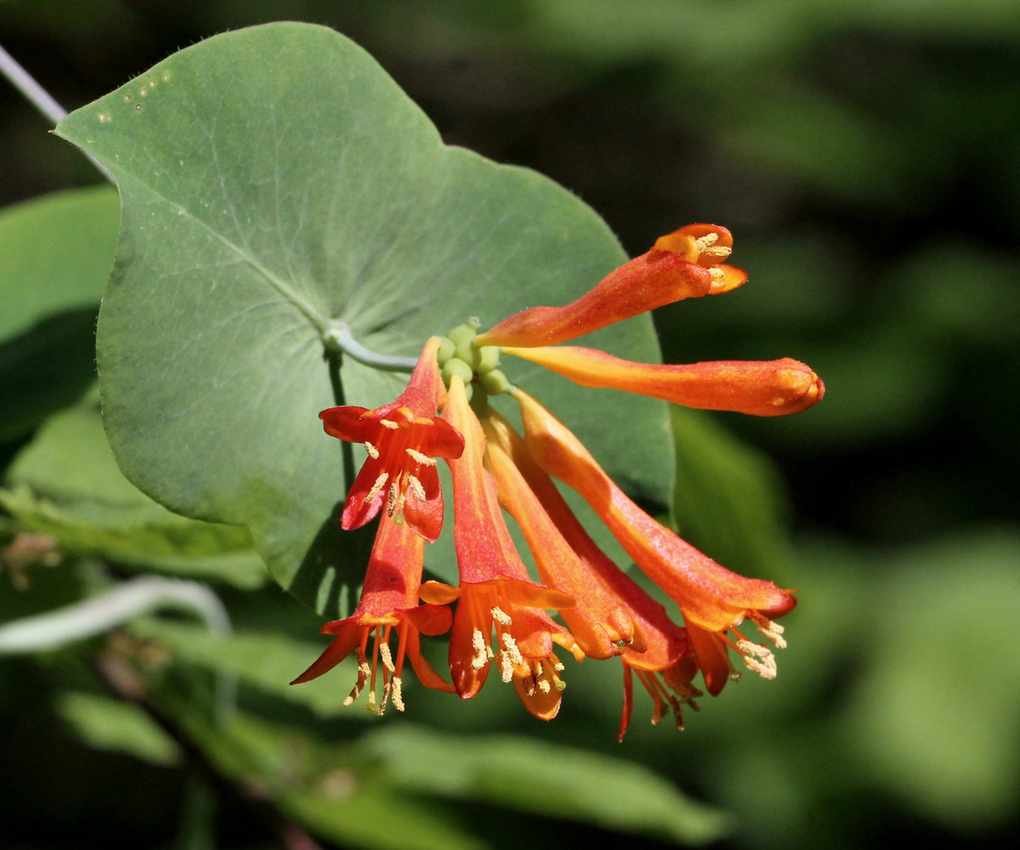
Native to the northwest U.S., orange honeysuckle (Lonicera ciliosa) commonly grows in woodlands and along forest edges.
This native variety showcases large trumpet-shaped orange-yellow flowers in early summer, drawing in hummingbirds with their long beaks. Although not fragrant, these flowers contrast beautifully with the dark green leaves.
Orange honeysuckle also attracts butterflies, serving as a host for various native caterpillars. Its berries provide vital food for birds later in the season.
It thrives in zones 5-9, reaching heights of 10-20 feet. This sprawling plant needs support, which could be a garden arbor or trellis. It prefers moist, well-draining soil and can be planted in full sun or partial shade.
A live orange honeysuckle can be found on Amazon.
4. American Fly Honeysuckle

Not all loniceras are climbers; Lonicera canadensis, or American fly honeysuckle, is a shrubby type found in southern Canada and the northeastern U.S.
This deciduous shrub grows 3-6 feet tall, blooming pale yellow flowers in spring that attract migrating hummingbirds and pollinators seeking early food sources. Its small red berries are enjoyed by robins, goldfinches, and mockingbirds.
American fly honeysuckle thrives in moist, shady spots, making it ideal for planting under trees or in full shade.
5. Twinberry Honeysuckle
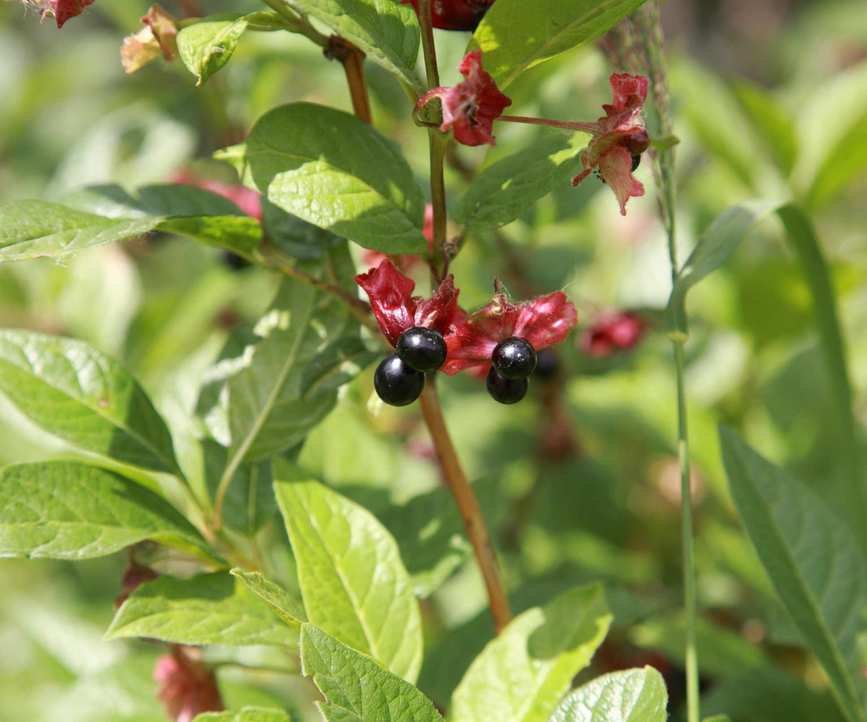
Lonicera involucrata, known as twinberry honeysuckle, is native to extensive regions of North America, from southern Canada to northwestern Mexico, supporting a variety of insects, birds, and mammals.
This plant boasts long-lasting yellow blooms that appear in pairs, surrounded by striking bracts. The flowers attract numerous bees, butterflies, and hummingbirds, while the resulting berries are favored by birds and small mammals.
Twinberry honeysuckle is adaptable; it prefers well-draining soil and can thrive in full sun or partial shade. It grows to heights of 6-12 feet and adds year-round interest to flower beds or serves as an attractive, low-maintenance screening plant.
You can purchase a live twinberry honeysuckle from Cache Valley Mountain Plants.
Which Non-Native Honeysuckles Should You Avoid?
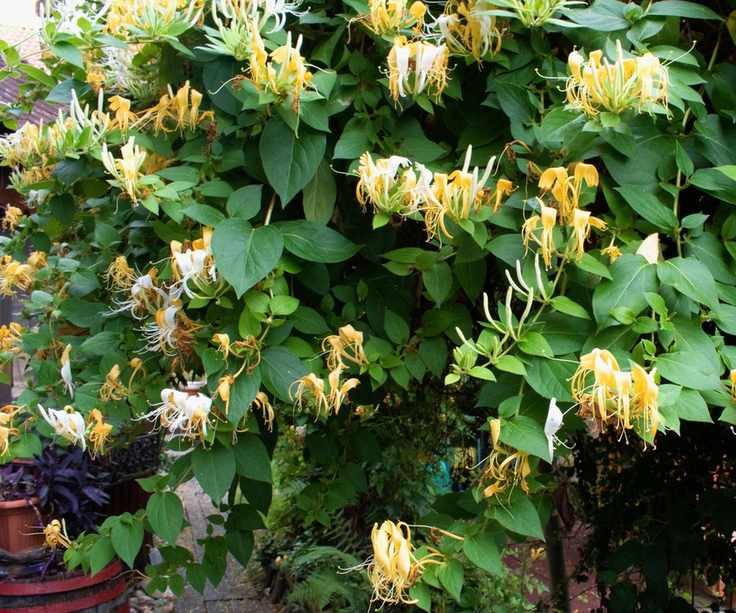
With this selection of native honeysuckles in mind, you may wonder which varieties to avoid. The following six are invasive species known for their aggressive growth and ability to outcompete local plants.
- Japanese honeysuckle (Lonicera japonica)
- Amur honeysuckle (Lonicera maackii)
- Morrow's honeysuckle (Lonicera morrowii)
- Tartarian honeysuckle (Lonicera tatarica)
- Winter honeysuckle (Lonicera fragrantissima)
- Bell's honeysuckle (Lonicera x bella)
These invasive plants can spread rapidly, assisted by birds eating their fruits and dispersing seeds widely. Unfortunately, while birds eat the berries of non-native honeysuckles, they lack the nutrients found in native varieties.
Even with limited space, you can enjoy honeysuckle blooms by cultivating them in pots. Surprisingly, honeysuckles, including their native types, flourish in larger containers on decks, patios, or small yards.
For success in pot cultivation, position containers in dappled sunlight or partial shade. Use a potting mix that retains moisture while allowing for drainage.
Regardless of whether they're in the ground or pots, native honeysuckles benefit from regular pruning. The timing of pruning varies based on the flowering period; trim early bloomers post-bloom and late bloomers in late winter or early spring.
Lonicera sempervirens 'Major Wheeler' is a resilient native variety boasting red tubular flowers in spring, attracting pollinators and beneficial insects, reaching heights of 5-7 feet.
A three-pack of Lonicera sempervirens is available to enhance wildlife and add color to your garden, each plant in a three-inch pot standing 3-8 inches tall.
This Berry & Bird digging spade features high-quality stainless steel and ash hardwood, making it an excellent tool for planting shrubs and climbing plants.