Your HVAC system plays a vital role in maintaining comfort at home, keeping you cozy during winter and cool in summer. However, it won't last forever.
Neglecting indicators that your HVAC system is nearing the end of its lifespan can result in higher utility bills, uncomfortable temperatures, and even safety risks. If you're contemplating a repair, multiply the system's age by the repair cost; if that number exceeds $5,000, replacement is likely the better option.
Many homeowners procrastinate the decision, opting for short-term fixes on heating issues. Yet, as repair costs accumulate and system efficiency wanes, investing in a replacement can be more economical and environmentally friendly.
Recognizing When to Replace Your HVAC System
1. Age of the System

Typically, HVAC systems are expected to last between 10 to 15 years, varying by brand and maintenance level. If your system falls within or surpasses this range, it's likely working less efficiently than newer models, potentially costing you more in energy and repair expenses.
Schedule an inspection with a certified HVAC technician to evaluate your system's condition. If replacement is necessary, look for ENERGY STAR rated units to ensure energy efficiency. Newer HVAC systems not only save money over time but also minimize your home's carbon footprint.
2. High Repair Frequency
For older systems, minor repairs might seem manageable, but over time, these costs can escalate, making replacement a more viable option.
If you find yourself frequently calling an HVAC technician, it may be time to consider a new system to save money in the long run. Regular breakdowns and repair costs can accumulate, sometimes nearing the expense of a new unit, especially if replacement parts are hard to source or expensive due to the system's age.
To gauge whether to repair or replace, use the $5,000 rule: multiply the age of your system by the repair cost. If the total exceeds $5,000, it's time for a new unit.
To extend your system's life, keep vents in all rooms open, even when those spaces aren't in use.
3. Increased Energy Bills
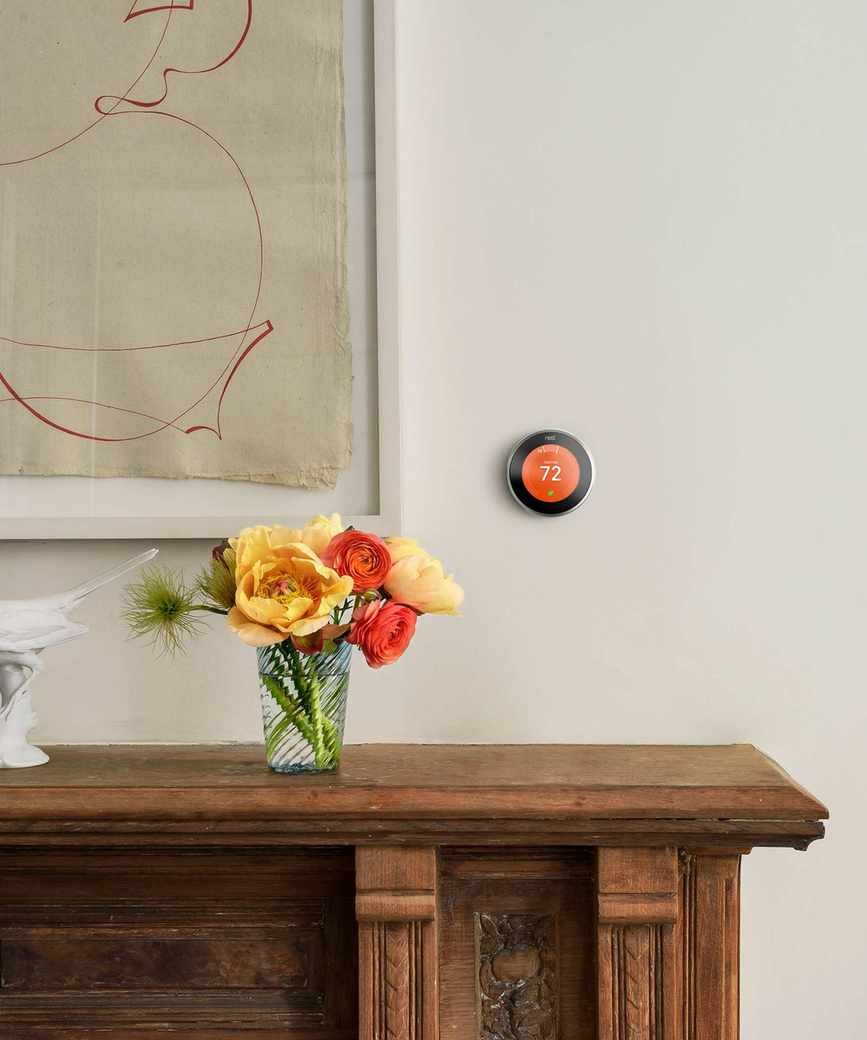
If your energy bills have risen consistently without any significant change in usage, your HVAC system might be the cause. As HVAC systems age, they lose efficiency, requiring more energy to maintain comfort. Replacing your unit could substantially lower your energy costs.
Check your home's insulation and air sealing first. If they're satisfactory, consult an HVAC expert to assess your system's performance. Upgrading to a high-efficiency model can lead to savings of up to 30%.
4. Inconsistent Heating or Cooling

If some areas in your home are too hot while others remain cold, your HVAC system may struggle to evenly distribute air. This could result from worn components, leaky ducts, or an undersized system.
Contact an HVAC professional to perform a load calculation to ensure your system is appropriately sized. If replacement is warranted, consider options like zoned HVAC systems, which allow for independent temperature control in various areas, thereby improving comfort and efficiency.
5. Unusual Noises or Odors
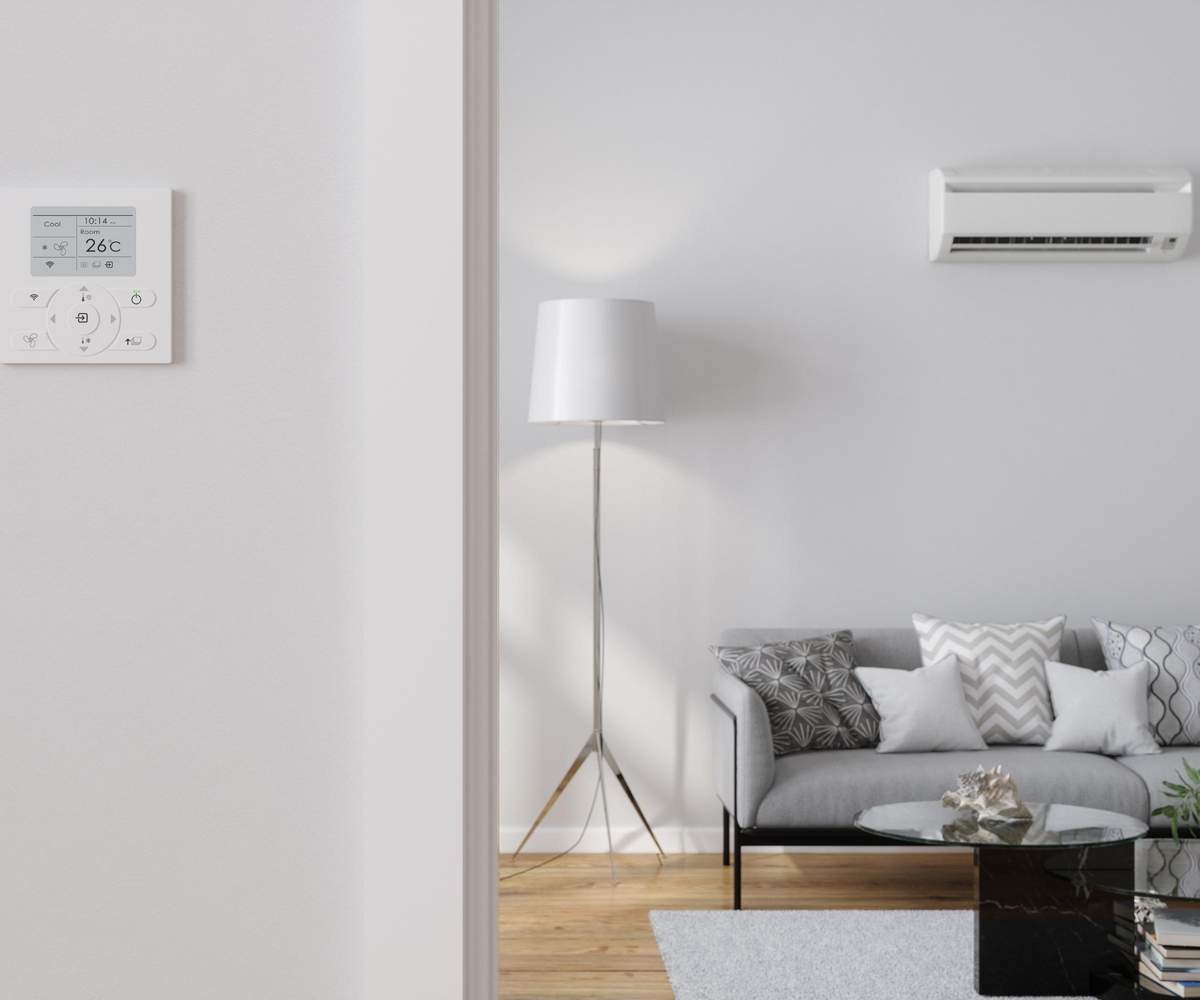
Sounds like banging, clanging, or hissing from your HVAC system often signal issues. Likewise, persistent odors, whether musty, burning, or chemical, may indicate serious problems such as mold, electrical faults, or refrigerant leaks.
Address these concerns promptly by reaching out to a professional. While some issues can be repaired, others may indicate failing components, necessitating replacement. If you proceed with a new system, ask about modern features like smart thermostats and variable-speed compressors for enhanced functionality.
Investing in a new HVAC system can be significant, but it pays off with lower energy bills and the comfort of knowing your home remains cozy. If you're uncertain about your HVAC system's condition, consult a licensed expert. Being proactive about the signs of an aging system enables you to make choices that benefit your home and the environment.
Being ready for severe weather can help ensure warmth during power outages.