
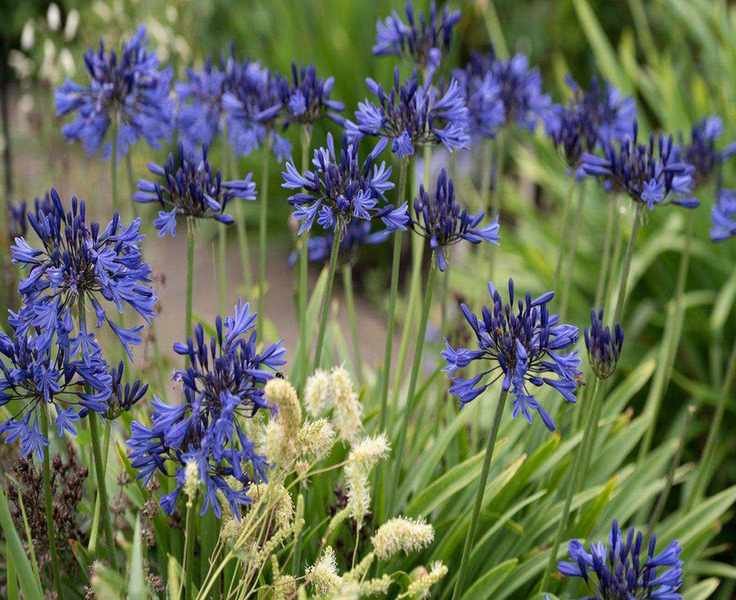
April is the ideal month to prepare your garden for a vibrant summer that maintains its charm even during dry spells. Choosing the right summer bulbs at this time ensures you'll enjoy bold, drought-resistant colors just when your borders might start to look a bit tired.
These bulbs are hardy and thrive in sunny conditions, easily withstanding dry weather while continuing to bloom when other plants may struggle. With warming soil and lingering moisture from spring, April is the perfect time to plant.
If you're looking to enhance your garden's resilience, consider pairing these bulbs with drought-tolerant planting strategies, where structure and endurance go hand in hand.
Why April is Ideal for Planting Summer Bulbs

There's a special energy in April soil. It's warm, manageable, and still retains the moisture from winter. In my experience, bulbs planted during this time establish themselves far better than those planted later, when the ground hardens.
Unlike spring bulbs, summer varieties thrive in warmth and don't appreciate being stuck in cold, damp soil. They benefit from a gentle encouragement into life, needing just the right amount of moisture to kickstart their growth beneath the surface.
Planting now provides roots with the time they need to establish before the heat of summer hits. Think of it as giving your plants an advantageous start before they face tougher conditions.
And if you're planning ahead, consider how these bulbs can complement summer planters, where drought-resilient choices can make just as striking an impact in pots as they do in garden beds.
1. Gladiolus (Gladiolus hortulanus)
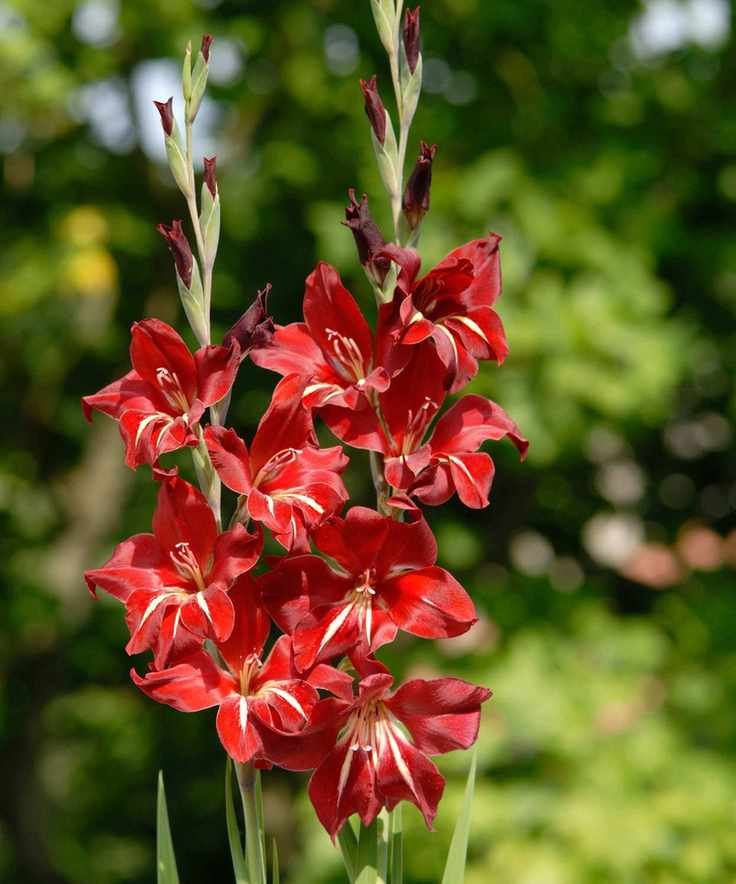
Gladiolus adds vertical flair to your summer garden. Tall spikes of color stand out among softer plants, especially when planted in generous drifts rather than in rigid lines.
While Gladiolus has been known to require special care, new varieties are much more forgiving, thriving in well-draining soil under full sun.
To extend the flowering season, stagger your plantings throughout April. I typically plant a small group every ten days, ensuring blooms continue well into late summer.
Gladiolus 'Charming Lady' is a favorite of mine, perfect for cut flowers.
2. Agapanthus (Agapanthus africanus)
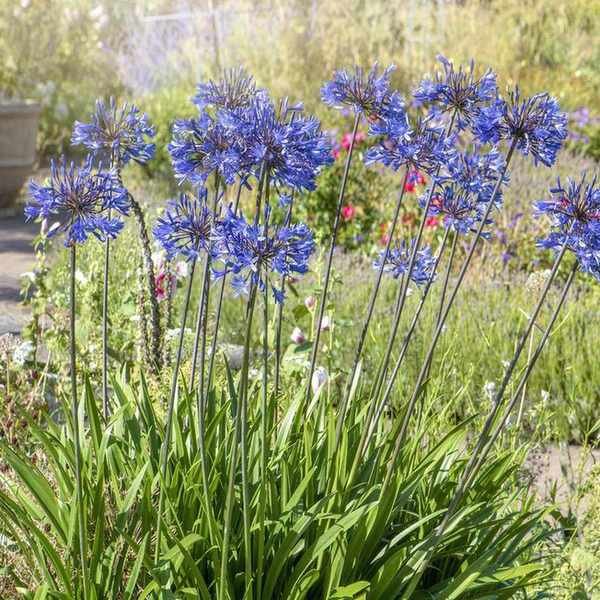
Agapanthus stands out as a graceful choice for dry summers. The spherical clusters of blue, violet, or white flowers rise above slender stems, adding both structure and softness.
This plant's drought tolerance is particularly impressive once it's established. Interestingly, I've found it thrives better when it's not overly pampered; too much water often leads to lush foliage but fewer blooms.
April is the prime time for planting in temperate areas, especially in well-drained soil. If your soil is heavy, consider using containers to manage drainage.
I frequently incorporate Agapanthus 'Heaven' in Mediterranean-inspired designs, where resilience meets elegance.
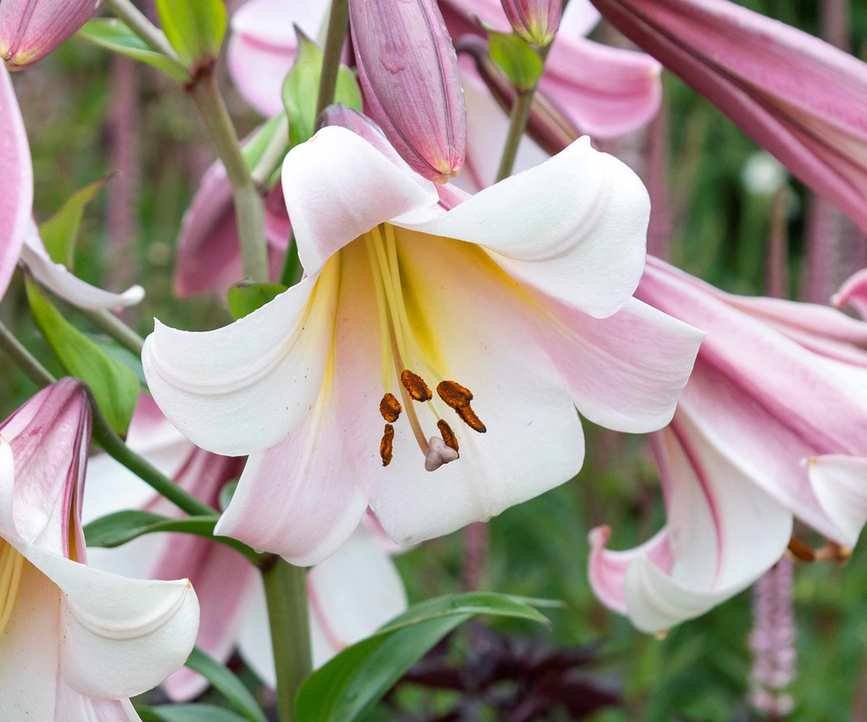
3. Peacock Orchid (Gladiolus murielae)
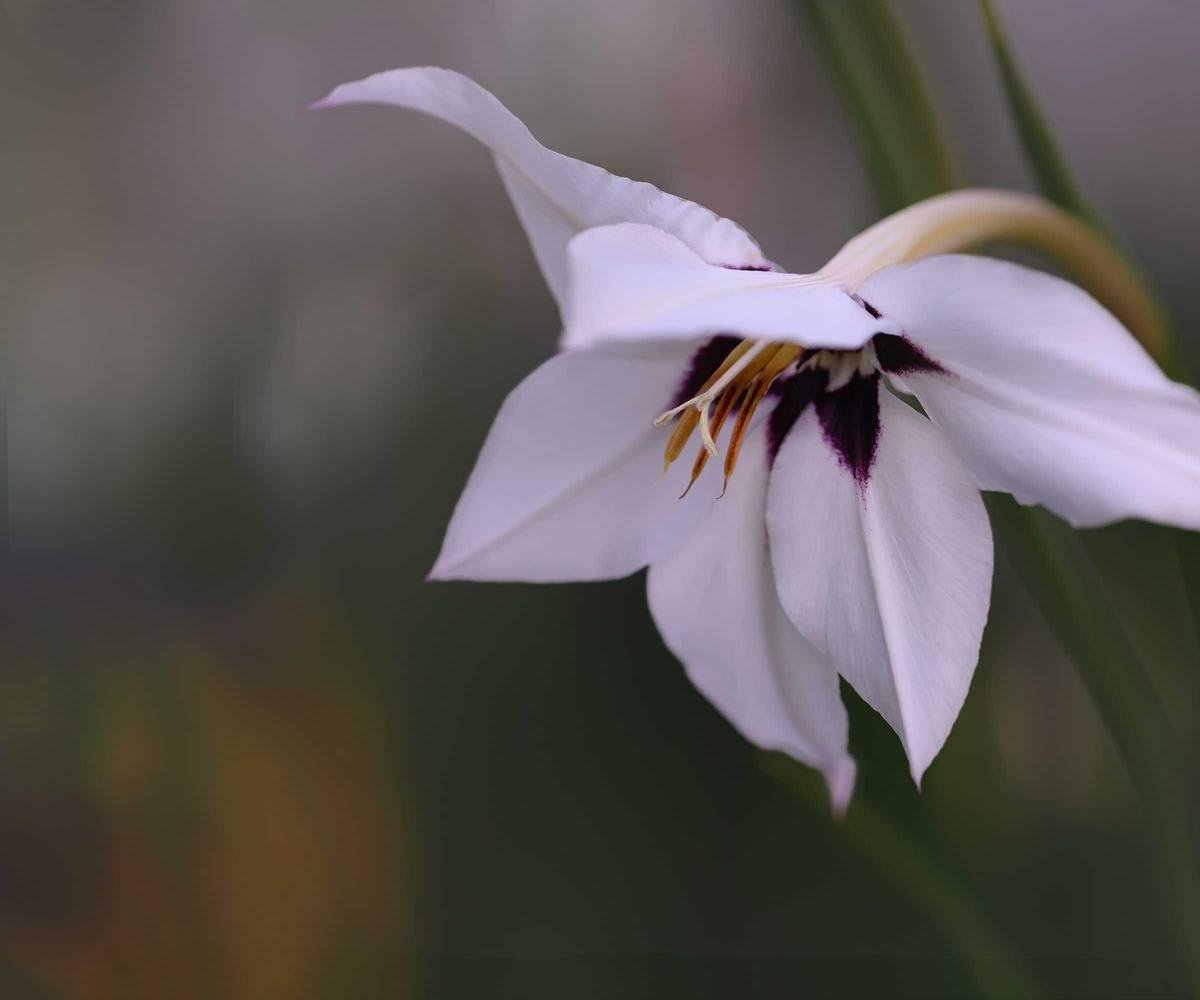
The peacock orchid quietly captivates with its delicate, star-shaped white flowers and a fragrance that deepens in the evening.
Although it appears dainty, it's surprisingly tough. When planted in April, the corms quickly adapt to warm soil and handle dry conditions well, given good drainage.
I've found that planting them in groups allows the fragrance to gather and fill the space. A single bloom is subtle; a cluster invites intrigue. You can buy bulbs in bulk, like these 50 peacock orchid bulbs from Amazon.
It's a great fit for therapy gardens, where fragrance and subtlety shine over bold daytime colors.
4. Crocosmia (Crocosmia × crocosmiiflora)
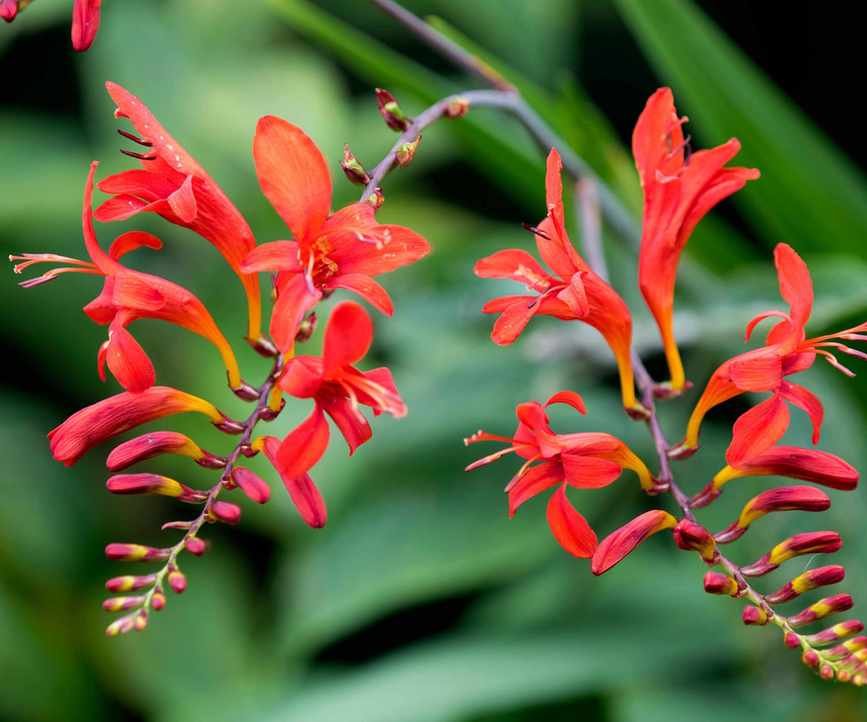
Crocosmia appears as if it has been painted with vibrant, sun-kissed colors. Arches of fiery orange, red, and amber flowers rise above sword-shaped leaves, creating a striking visual.
I've cultivated Crocosmia for years, and once it's settled in, it becomes self-sufficient. It endures dry spells remarkably well, especially in well-drained conditions, returning stronger each season.
Plant the corms about 3–5 inches deep in full sunlight. In temperate regions, they easily naturalize, forming lush clumps that can be divided every few years.
They also complement beautifully with grasses, making for a dynamic combination in any design.
5. Dahlia (Dahlia pinnata)
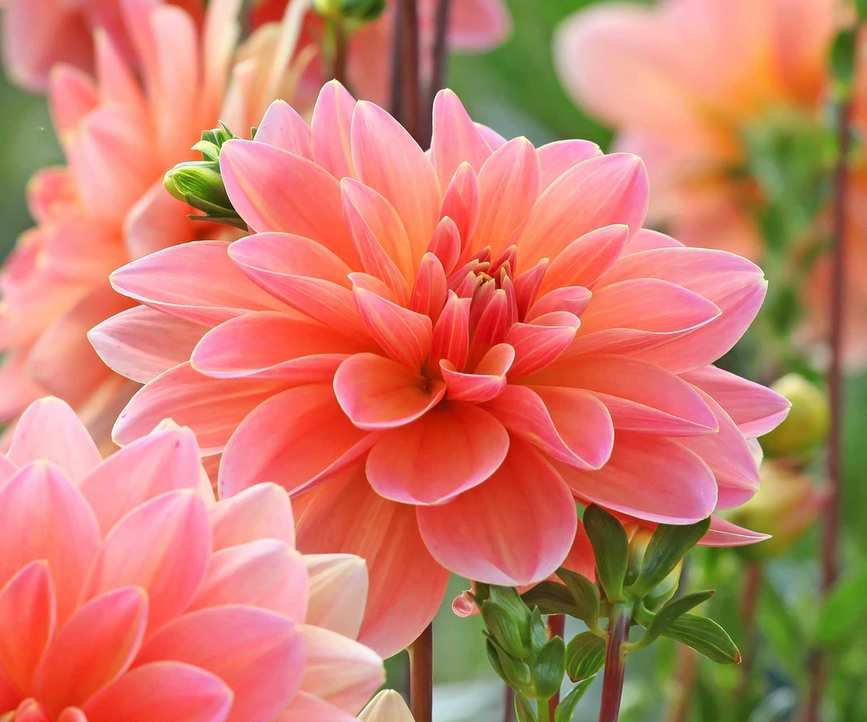
Dahlias are simply delightful. Their diverse shapes, ranging from delicate singles to bold dinner-plate varieties, cater to all preferences.
April is prime time to plant tubers directly in warmer temperate zones, or start them indoors in cooler areas. I find that planting them directly once the soil warms leads to stronger establishment.
While not completely drought-resistant, dahlias show surprising resilience once established, especially with good mulching. A thick layer of organic mulch, which I always advocate for, helps retain moisture and keep roots cool.
They also attract bees and butterflies, making them a perfect addition to wildlife-friendly gardens. I particularly adore the vibrant blooms of Dahlia 'Lisonette' available at Burpee.
6. Canna Lily (Canna indica)
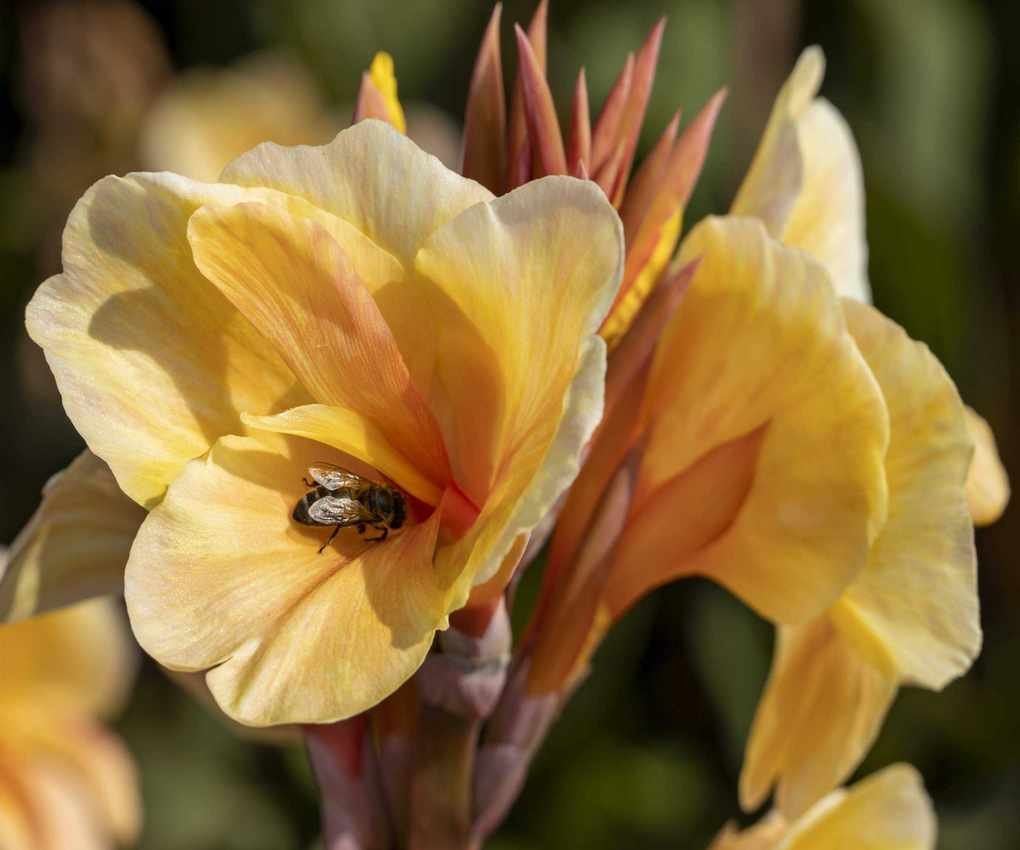
Cannas bring a bold presence with their broad, paddle-shaped leaves and vibrant flowers, adding a tropical touch that stands out in a dry summer.
Plant the rhizomes in April once the soil warms. In cooler temperate regions, starting them indoors is often a smart move.
Though they appear lush, cannas are more resilient than they seem. They thrive in sunny conditions and decent soil, tolerating dry spells, though they excel with consistent moisture.
I usually plant them strategically; a few well-placed clumps create a more impactful display than a crowded mass. They work wonderfully with tropical plantings, even in non-tropical areas. Consider the Variegated Pretoria Canna from Burpee for both stunning blooms and foliage interest.
Essential Tips for Thriving in Dry Summers
Choosing the right bulbs is just the beginning. How you plant them is crucial.
First, focus on soil preparation. Bulbs dislike being in waterlogged conditions, but they also need moisture. I always mix in organic matter, like compost and manure from Amazon to improve soil structure and moisture retention.
Second, apply a generous layer of mulch. Miracle-Gro Organic Mulch from Amazon is excellent for this. A 2-3 inch layer can greatly reduce evaporation and keep roots cool during heatwaves.
Third, water strategically. Deep, infrequent watering encourages roots to grow deeper, enhancing plant resilience. Consider drip irrigation systems like this irrigation kit from Amazon for a low-effort solution.
Lastly, resist the urge to be overly tidy. Leaving some natural debris can help protect soil and support beneficial organisms, a practice often seen in eco-friendly gardens.
Gardening embodies quiet optimism. Planting summer bulbs in April is a hopeful commitment to beauty in the face of unpredictable weather, believing that, despite heat or drought, your garden will thrive.
From my experience, the bulbs mentioned here do more than just survive; they flourish. They provide essential color during dry spells, resilience in tough conditions, and the joy that comes with well-timed planting. That's what gardening is all about.


