

Fragrant flowers enhance your garden, creating an inviting atmosphere that's pleasing to the senses. Their delightful scents can also fill your home when used for cutting.
Integrating fragrant flowers into your flower beds elevates your gardening experience. Aroma often draws you to a plant even before it catches your eye, enriching a sensory garden experience.
I often select flowers based on their fragrance and have cultivated many of the varieties listed here for years. With the right choices, your garden can bloom with sweet scents throughout the year. Let's explore some of the top fragrant flowers.

14 Exceptional Fragrant Flowers
To maximize fragrance, plant flowers near seating areas, pathways, and entrances where their scents can be fully appreciated.
Consider your garden schedule when selecting fragrant blooms. For instance, flowers like jasmine and nicotiana release stronger scents in the evening, making them ideal for patio plantings. If you enjoy morning meals outdoors, roses climbing nearby or aromatic herbs can fill the space with delightful aromas.
Incorporate flowering shrubs, climbers, bulbs, and annuals that bloom across the seasons to maintain a fragrant garden all year.
1. Mock Orange – Philadelphus

This deciduous shrub, known for its citrus-like scent, showcases arching branches covered in clusters of white flowers from late spring to early summer. Philadelphus coronarius 'Aureus' features stunning golden-green foliage alongside its fragrant blooms, making it a top pick for scent.
According to a plant coordinator, mock oranges are remarkably fragrant during their bloom period in late spring.
USDA zones: 4-8
Flowers: May-June
Plant: in full sun or partial shade, in moist but well-draining soil.
Prune: right after flowering, cut back all flowering stems to one-third of their length to prevent legginess.
2. Roses

No fragrant garden is complete without roses. David Austin's renowned English roses combine the beauty of modern varieties with the classic fragrances of traditional ones.
All David Austin roses are aromatic, featuring five fragrance profiles: Myrrh, Tea, Fruity, Musk, and Old Rose. 'The Generous Gardener' is a standout, blending Musk, Old Rose, and Myrrh scents. Other notable fragrant varieties include 'Bathsheba' and 'Desdemona'.
These roses thrive in USDA zones 4-11. In hotter climates, provide morning sun and shade in the afternoon. Opt for own-root roses to enhance winter hardiness.
USDA zones: 4-11
Flowers: May-November, varying by variety
Plant: in full sun, ensuring 4-6 hours of direct sunlight daily, in rich, well-drained soil.
Prune: some varieties need winter pruning, while others should be pruned after flowering.
3. Sweet Peas – Lathyrus odoratus
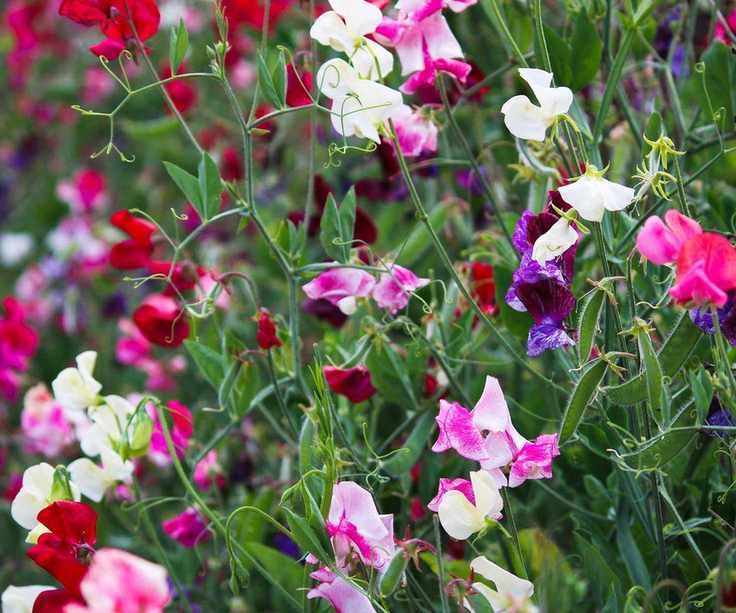
Sweet peas thrive on trellises and are a staple of cottage gardens, renowned for their summer blooms and aromatic allure.
Many sweet pea varieties are heavily scented, with 'Matucana' being especially fragrant, showcasing stunning bicolored blooms. Keep picking the flowers to encourage continuous blooming.
USDA zones: 2-11 (best in 3-8)
Flowers: June-August
Plant: in full sun within moist, fertile soil or pots.
Prune: continually harvest blooms and remove seedpods to encourage more flowers.
4. Tobacco Flower – Nicotiana
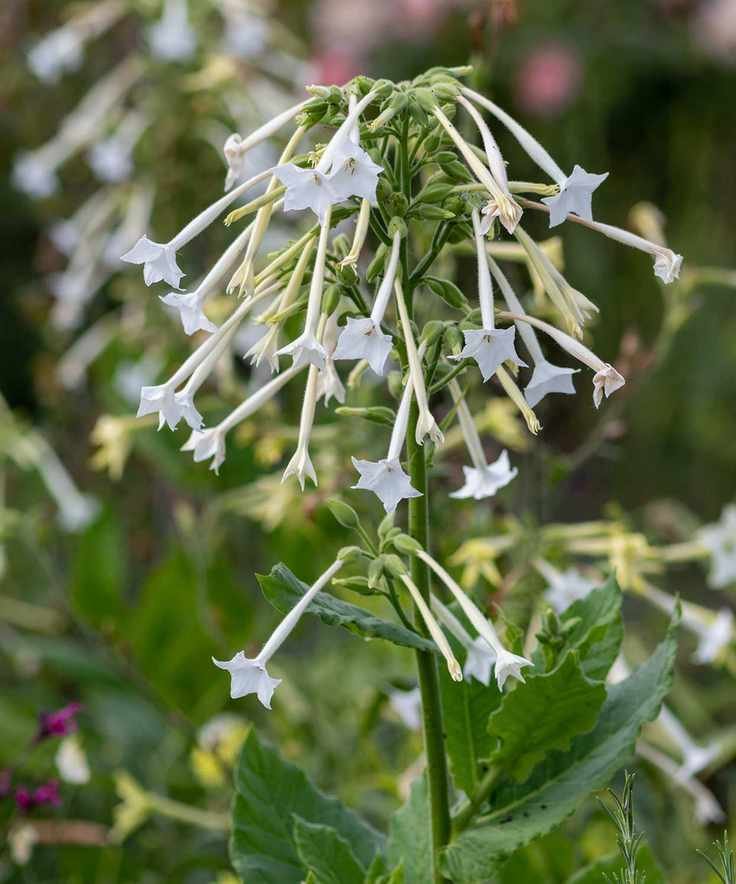
These evening-blooming flowers are ideal for patios and are known for their captivating nighttime fragrance.
Nicotiana thrives as a half-hardy annual, perfect for low-maintenance gardens. While beautiful during the day, their scent truly shines at night.
Nicotiana alata is compact and versatile, while Nicotiana sylvestris offers height for woodland gardens.
USDA zones: grown as an annual in 6-9; may survive in 10-11
Flowers: June-October
Plant: in sun or partial shade, in rich, moist soil.
Prune: deadhead to extend blooming.
5. Lilacs – Syringa vulgaris

Lilacs are among the most fragrant flowers, offering a distinctive aroma that enhances any garden.
These hardy deciduous shrubs thrive in colder climates, requiring a chilly winter to bloom. Lilacs display heart-shaped leaves and clusters of intensely fragrant flowers.
USDA zones: 3-7
Flowers: April-May
Plant: in full sun, in well-drained soil.
Prune: trim after flowering to maintain shape and health.
6. Wisteria – Wisteria sinensis

A stunning climber, wisteria produces long cascades of fragrant flowers in spring, creating a breathtaking display.
They thrive near entrances or seating areas, where their scent can be fully appreciated.
USDA zones: 5-9
Flowers: April-May
Plant: in full sun, near a wall or arbor.
Prune: follow the 2/7 rule for effective control.
7. Dutch Hyacinths – Hyacinthus orientalis

Hyacinths are perfect for pots or garden beds, with intensely fragrant blooms available in various colors.
They are easy to grow and can also bring fragrance indoors during the winter.
USDA zones: 4-8
Flowers: March-April
Plant: in fall for outdoor blooms or in pots for indoor displays.
Prune: remove faded heads but allow foliage to energize the bulb.
8. Holly Olive – Osmanthus heterophyllus

Holly olive is a fragrant evergreen shrub that blooms in fall, providing much-needed scent during the season.
Its subtle flowers offer delightful citrus and floral notes, making it a valuable garden addition.
USDA zones: 6-9
Flowers: September-November
Plant: in sun or partial shade, in moist, well-drained soil.
Prune: minimal pruning needed; trim as needed for shape.
9. Winter Box – Sarcococca confusa

Winter box thrives when few other plants are blooming, offering a lovely scent during the cold months.
This evergreen shrub is perfect for shady areas and adds structure to the garden year-round.
USDA zones: 7-9
Flowers: December-March
Plant: in shade or part shade, in humus-rich, well-drained soil.
Prune: none required; light trimming can help maintain shape.
10. Daphne – Daphne bholua 'Jaqueline Postill'

During winter, Daphne bholua 'Jaqueline Postill' offers an extraordinary fragrance, brightening even the coldest days.
Its waxy flowers and semi-evergreen leaves create a lovely presence in any garden.
USDA zones: 7-10
Flowers: January-February
Plant: in sun or part shade, in fertile, well-drained soil.
Prune: only if necessary to remove damaged wood.
11. Star Jasmine - Trachelospermum jasminoides

Star jasmine, a robust climber, features intensely fragrant flowers, especially in the evening.
This evergreen vine is perfect for trellises and patio displays.
USDA zones: 8-10
Flowers: May - September
Plant: in full sun or partial shade.
Prune: essential for maintaining shape and control.
12. Tuberose - Polianthes tuberosa

Tuberose is renowned for its striking white flowers and intoxicating scent, often used in fragrances.
These plants are typically grown from bulbs, needing well-drained soil for optimal growth.
USDA zones: perennial in zones 7-11
Flowers: June - September
Plant: in full sun.
Prune: after foliage yellows.
13. Lavender - Lavandula angustifolia

Lavender offers an unmistakable scent and attracts pollinators, thriving in many gardens.
Different varieties exist, each with unique needs. Choose one suited for your climate.
USDA zones: 5-9
Flowers: June - September
Plant: in full sun.
Prune: prune in fall or spring to ensure a healthy bloom.
14. Lily of the Valley - Convallaria majalis

Lily of the valley is a charming perennial with bell-shaped flowers that bloom in spring.
They flourish in shade, making them ideal for planting beneath trees.
USDA zones: 3-9
Flowers: April - May
Plant: in full or partial shade.
Prune: minimal pruning; let foliage die back naturally.
FAQs
Which flower has the strongest fragrance?
Many listed plants have strong scents, which can be enhanced by heat and humidity, especially in enclosed spaces.
For instance, forcing oriental lilies to bloom indoors can create an incredibly potent aroma.
For more fragrant flower ideas, consider creating a scented border in your backyard.


