Enhance your seasonal landscape with trees that offer rich shades of red, yellow, and gold. Their striking foliage creates a captivating fall display.
As leaves change, fall presents a breathtaking array of colors from trees that epitomize the season. This spectacular transformation is a natural marvel, and incorporating both evergreen and deciduous varieties into your landscape ideas ensures a captivating seasonal experience.
Deciduous trees drop a cascade of leaves, creating a colorful carpet underneath, with hues ranging from ochre to deep plum. In addition to stunning foliage, berry-bearing trees attract wildlife and provide essential nourishment for birds throughout the season. For the most dramatic visual impact, pair these with evergreens to create privacy and contrast against the vibrant colors.
Top Trees for Fall Color
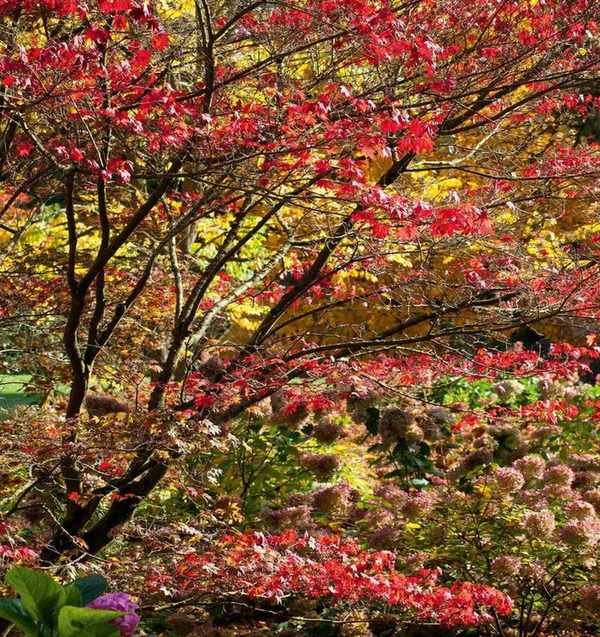
There’s a variety of trees suited for fall color, suitable for any space. Whether you have a small garden or a larger yard, there are options that thrive in pots or smaller areas.
Before planting, ensure you understand the planting process. The ideal time is during the cooler months, from November to March, depending on your hardiness zone. Ideally, planting before Christmas allows trees to establish better in warmer soil.
Many of these trees are easy to care for, requiring minimal pruning and adaptable to various soils. Some feature ornamental bark that adds interest even after leaves have fallen.
To maintain visual appeal in your garden, consider clever landscaping around these trees, ensuring they remain a focal point even in their bare state.
Best Trees for Fall Color in Any Location
Experts from Hillier nurseries recommend several resilient trees that adapt well to different garden conditions.

Gingko Biloba – Known as the Maidenhair tree, is celebrated for its unique leaf shape, beloved by landscapers globally. This resilient tree showcases fan-shaped leaves that turn a vibrant golden hue. Its name comes from 'biloba,' which means two-lobed.
Ginkgo trees can be pruned into various forms; when mature, they present a stunning golden display along avenues. They thrive in well-drained soil and can handle compacted urban spaces.
“Ginkgo Biloba grows slowly but is worth the investment,” notes Matt Hartline, an ISA Board Certified Master Arborist. He encourages planting one now, especially for smaller areas like front yards and terraces, where ornamental varieties fit perfectly.
Female ginkgos produce fruit in the fall as well.

Acer x freemanii ‘Autumn Blaze’ is a hybrid of Acer rubrum (red maple) and Acer saccharinum (silver maple). This variety combines the hardiness of silver maple with the grace and vivid colors of red maple. As temperatures drop, its emerald leaves transform into fiery orange and deep red, making it a striking centerpiece.
This resilient tree flourishes in various locations and does not depend on high pH levels to achieve its stunning fall color.
Best Trees for Fall Foliage

The transformation of leaf color is a remarkable phenomenon as deciduous trees slow their growth. Chlorophyll keeps leaves green during warmer months, but as days shorten and temperatures cool, the production of chlorophyll diminishes, revealing other pigments in the leaves. Nutrients are reabsorbed before the leaves drop, and waste products are retained.
Temperature fluctuations between day and night also significantly impact fall colors. “Years with warm days and cool nights yield the most vibrant foliage,” explains Matt Hartline.
Two trees he recommends for their striking fall color are Nyssa sylvatica and Liquidambar styraciflua.

Nyssa sylvatica and Liquidambar styraciflua
Nyssa sylvatica – Also called the Pepperidge tree, this species has a broad native range, from Florida to Canada, making it a fantastic choice for wildlife gardens, attracting pollinators and birds. Its mature canopy displays striking horizontal layers formed by long branches.
“Pepperidge trees boast beautiful, though brief, crimson fall foliage,” says Hartline. “Enjoy their peak color by planting them in a sunny spot, ideally in groups to mimic a grove.”

Liquidambar styraciflua – Known as the American Sweetgum, this tree features star-shaped leaves that can grow over 100 feet tall. In fall, it showcases an array of colors all at once.
“Purples, oranges, reds, and yellows create a dazzling display. There are various hybrid cultivars available to achieve specific hues, but the standard species is a reliable choice,” says Hartline.
Japanese Stewartia – Stewartia Psuedocamila
This tree delights year-round with its camellia-like summer flowers and fire-engine red leaves in fall.

Lirodendron tulipifera – the tulip tree requires space to spread, making it an excellent specimen tree.
Quercus Paulstris – Pin Oak
This oak variety thrives in fertile, moist soil and prefers full sun or partial shade. Its crimson leaves persist into winter and typically grows to 45ft x 24ft.
Cornus florida – flowering dogwood
Ideal for smaller gardens, this tree grows to 12ft x 9ft and flourishes in various soil types. Its summer flowers give way to beautiful red and purple foliage in fall.
Maple Trees for Fall Color

Maples, or acers, are a staple for vibrant fall color, displaying flaming golds and reds. Numerous varieties cater to sun or partial shade; the more acid the soil and the sunnier the location, the more brilliant the colors, although many tolerate various soil types.
Gardening expert Mary Jane Duford shares her top maple picks for fall color, noting her love for red-leafed varieties. Here are three of her favorites:

Acer rubrum – red maple
This classic variety thrives in nutrient-rich, well-drained soil, adapting even to poorer conditions. While requiring regular watering initially, red maples become drought-tolerant over time and are generally low-maintenance. They flourish best in full sun but can tolerate partial shade.
Red maples range in size and are known for rapid growth and cold hardiness, making them ideal for both shade and curb appeal. Notable cultivars include:
‘October Glory’ boasts stunning orange-red foliage that appears later in the season and lasts until November, rewarding patience with a fantastic show of vibrant colors.
‘Red Sunset’ features a rounded pyramidal shape and is very cold-hardy, suitable for Zones 3-9.
‘Summer Red’ is compact, perfect for small yards, displaying burgundy-red leaves in spring before transitioning to yellow-orange-purple in fall.

Acer × freemanii – Freeman Maple
This low-maintenance tree dazzles with magical fall colors and fallen leaves that make excellent mulch. Recommended cultivars include:
‘Autumn Blaze’ is known for its vibrant red leaves and thrives in Zones 3-8.
‘Firefall’ offers striking orange-red foliage.
‘Scarlet Sentinel’ has a compact form, with fall colors ranging from bronze-orange to deep scarlet.

Acer saccharum – Sugar Maple
Known for its colorful fall foliage and maple syrup production, this tree is ideal for larger properties. Great cultivars include:
‘Green Mountain’ is fast-growing, disease-resistant, and heat-tolerant.
‘Fall Fiesta’ is large and hardy in Zones 3-8, offering stunning fall colors.
‘Legacy’ is a smaller cultivar suitable for medium-sized yards, thriving in Zones 4-8.
Trees for Fall Color with Berries and Fruit

Fall trees can also produce an array of berries in vibrant shades, providing nourishment for birds and adding visual appeal to your garden.
These berries are great for floral arrangements, enhancing indoor decor.

Sorbus Cashmiriana – Kashmir Rowan
Diana Beamish of Trees Direct loves Sorbus Cashmiriana for its striking foliage and berries, thriving in well-drained soil and adapting to full sun or partial shade. It’s a stunning choice for small gardens, with large pale berries that outlast its bright fall leaves.
Crataegus prunifolia – Flowering Thorn
This hedgerow favorite is bushy and attracts birds. It thrives in various soil types and displays glorious red and orange foliage along with red berries following delicate white spring flowers.

Sorbus
Sorbus trees boast eye-catching clusters of berries in various colors, along with lovely fall foliage. They prefer fertile, well-drained soil and can serve as focal points in flower beds and wildlife-friendly gardens. Ensure adequate watering during dry spells.
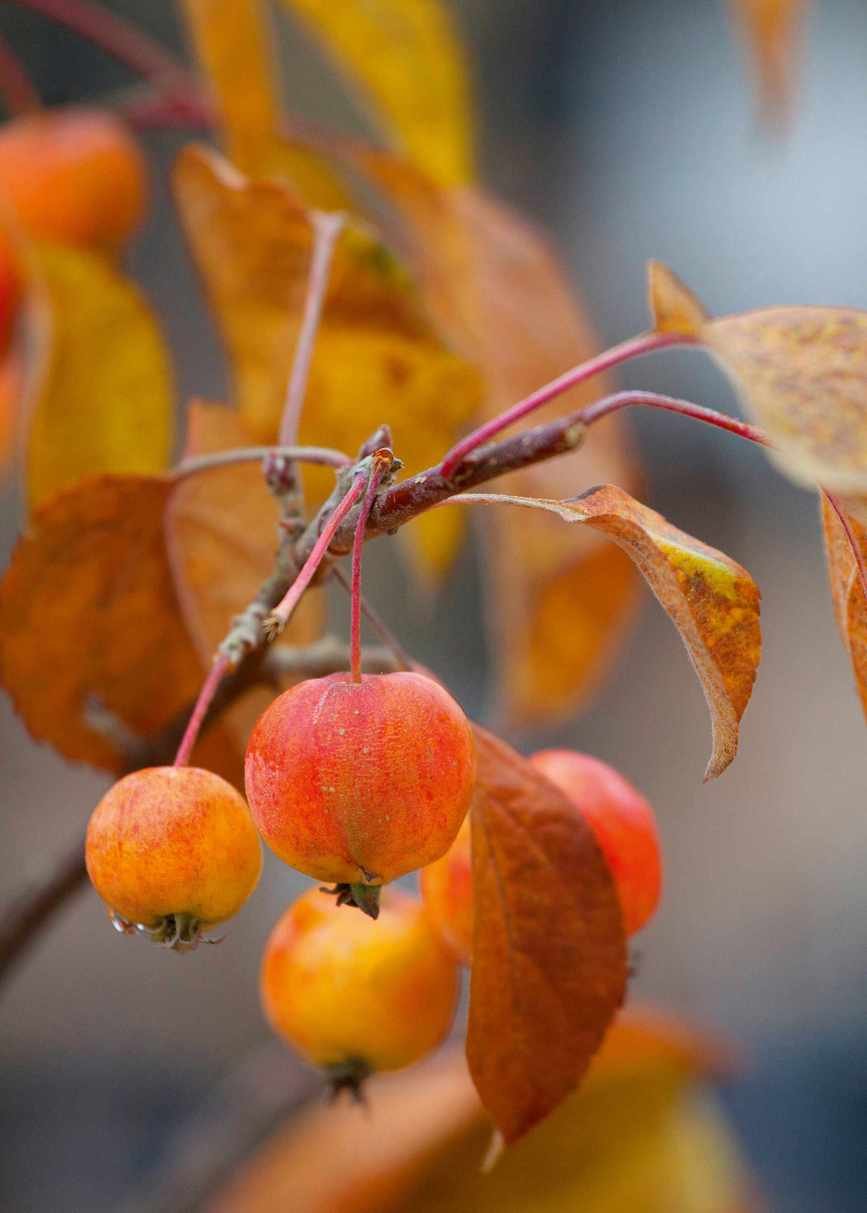
Malus Evereste – Crab apple
Crab apples are exceptional for winter fruit and offer beautiful spring blossoms. Numerous small varieties suit limited spaces, while larger ones can line drives or grace lawns. Malus Evereste features pretty white flowers and glossy fruits in vibrant hues.
What is the Prettiest Tree for Fall Color?
Numerous trees provide stunning fall displays, celebrating this vibrant season in your garden. We’ve highlighted top choices, but many more await your discovery. Research and consult your supplier to select varieties suited to your conditions, ensuring a harmonious complement to your fall garden.
Prepare for a breathtaking seasonal show that enhances your landscape for years.