When it comes to removing weeds from vegetable patches, flower beds, or between paving stones, we're all eager to tackle them before they take over.
More gardeners are now opting for natural weed control methods instead of chemical herbicides, including vinegar, baking soda, and even vodka.
To prevent weeds from becoming a significant issue, consider using cardboard, mulch, or landscape fabric to suppress their growth.
However, if you've missed preventive measures or find an area overrun with weeds, you might need a quick fix.
You may have heard that pouring boiling water on weeds is a viable solution. But does it really work? We sought expert opinions.

Can Boiling Water Kill Weeds?
Experts state that boiling water can kill the parts of the weed it touches, making it easier to pull out. However, it won't reach the roots, meaning if you don't remove the entire plant, it will likely regrow.
Jamie Mitri, an environmental engineer and founder of a moss company, confirms that boiling water will not completely eradicate weeds.
'While high-temperature water can damage weeds temporarily, it won't eliminate their roots, allowing them to return,' she explains.
Is Using Boiling Water Effective for Weed Control?

'Applying boiling water may work on younger or weaker weeds, but it won't significantly impact older weeds, especially those with deep roots,' states Drew Swainston, a content editor and former gardener.
'It might appear that you've successfully killed older weeds after pouring boiling water on them. However, the roots remain unharmed and will likely sprout again soon.'

Drew Swainston is an experienced gardener with a background in horticulture.
Potential Issues with Using Boiling Water on Weeds
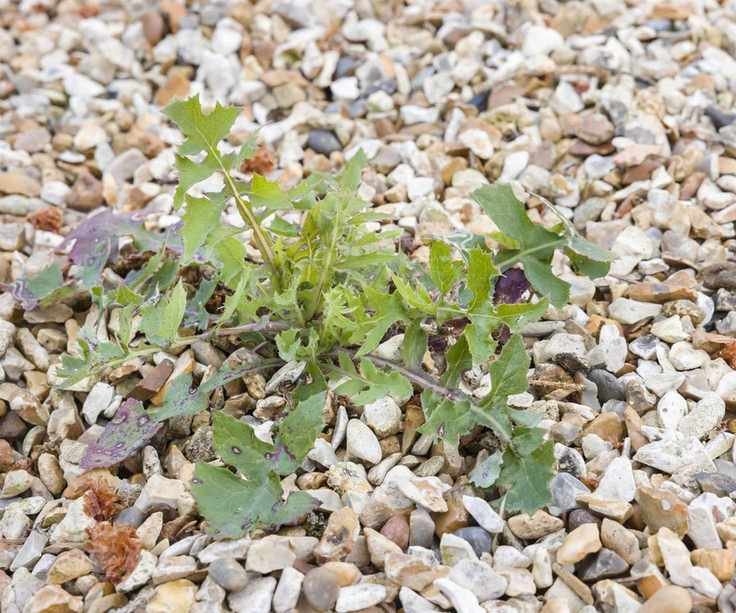
Using boiling water can have downsides. It may harm soil health and nearby plants. Additionally, there's a risk of burns, which isn't worth the potential reward.
'Hot water can damage surrounding soil or plants and may encourage mold or fungi in the area if you're planting nearby,' Jamie Mitri adds.
Best Practices for Natural Weed Control

The most effective way to manage weeds without chemicals is to remove them by hand.
Using boiling water may help in extremely congested areas, but digging out the roots is key for long-term success.
Drew Swainston advises: 'Yes, it's time-consuming and not the most exciting task. However, diligently removing all roots will prevent regrowth.'
FAQs
How Effective is Vinegar for Killing Weeds?
Vinegar contains acetic acid, making it an effective natural herbicide. Stronger horticultural vinegar is often necessary for tougher, perennial weeds, as standard household vinegar may only affect younger ones.
Weed control is an ongoing challenge for gardeners, but by combining natural prevention techniques and focusing on root removal, they can be manageable.