
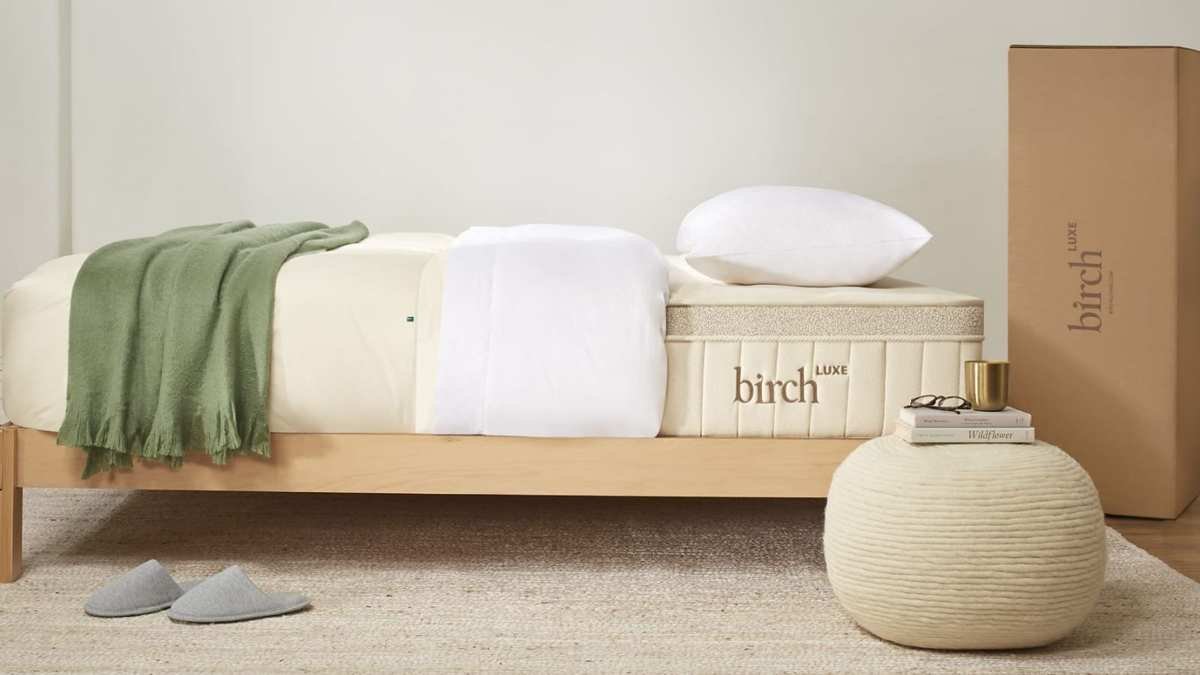
As a fellow sensitive sleeper, you might find that a hypoallergenic mattress can significantly improve your rest. If you often wake up with itching or sneezing, this type of mattress could alleviate those discomforts.
'Hypoallergenic' is a term frequently seen on bedding labels, yet it often lacks clear explanation. To clarify, I consulted sleep experts to gather insights on hypoallergenic mattresses, outlining their advantages and disadvantages. Plus, I've included some top recommendations for both premium and budget-friendly options.
Is a Hypoallergenic Mattress Necessary?
To kick things off, it's important to clarify what 'hypoallergenic' means. I spoke with Byron Golub, VP of Product & Merchandising at a leading mattress brand, who provided valuable insights on why choosing a hypoallergenic mattress is essential.
Defining Hypoallergenic Mattresses

A mattress labeled as 'hypoallergenic' is designed to minimize allergens, making it less likely to trigger allergic reactions. Byron emphasizes that memory foam and latex mattresses are the best options for allergy sufferers.
He explains, 'Memory foam effectively prevents allergens from spreading due to its dense structure. The denser the foam, the less likely it is for allergens to penetrate. Higher density also enhances support and pressure relief.'
If you're interested in eco-friendly options, Byron suggests opting for memory foam that incorporates plant-based materials. Look for certifications like OEKO-TEX or CertiPUR-US to ensure low levels of volatile organic compounds (VOCs). Additionally, consider the origin of the foam; those made in the US usually adhere to stricter health regulations.
Byron also notes that latex mattresses are fantastic for allergy sufferers. Surprisingly, even those allergic to latex can usually sleep on these mattresses, as the manufacturing process removes allergenic proteins. Natural latex is also naturally resistant to dust mites, mold, and bacteria. Ensure your mattress is made from 100% natural latex for the best hypoallergenic qualities.

Byron Golub
Byron is a VP of Product and Merchandising, combining engineering expertise with consumer product experience to create top-quality mattresses.
Advantages and Disadvantages of Hypoallergenic Mattresses

For sensitive sleepers, the benefits of hypoallergenic mattresses are evident. Sleep scientist Vanessa Hill highlights that a lower dust concentration can lead to milder allergy symptoms.
However, she cautions that these mattresses aren't a total fix for dust issues, as dust mites also thrive in carpets and curtains. If you're still experiencing allergies, consider learning effective cleaning techniques.

Vanessa Hill
Vanessa is an acclaimed sleep scientist and communicator, known for her popular YouTube series and PBS show, and serves as a sleep expert at a well-regarded mattress brand.
Investing in a hypoallergenic mattress can be practical. According to certified sleep consultant Sarah Bossio, mattresses last around 7-10 years, accumulating dust over time. 'Their size makes them hard to clean thoroughly.'
'A hypoallergenic mattress helps keep dust mites, bacteria, mold, and dead skin cells at bay, making maintenance easier and reducing allergens in your bedroom.' Pairing it with a quality mattress protector can enhance cleanliness by protecting against spills and stains. Vanessa recommends the Purple Mattress Protector for its stain resistance and stretchable design.

Sarah Bossio
Sarah is a child sleep expert, certified as a Board Certified Behavior Analyst, offering scientific sleep education for families.
If you're looking for some top organic hypoallergenic mattresses, here are a few that stand out for sensitive sleepers.
 Best organic
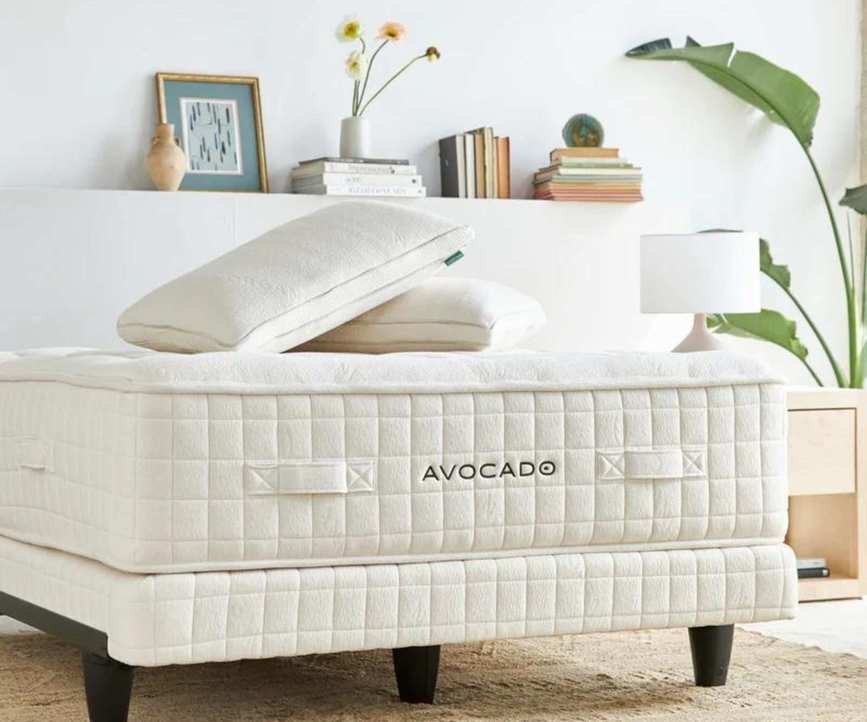
Avocado Green Mattress
Made with organic latex, this mattress is topped with organic wool and cotton, completely free from polyurethane foams and toxins.
For further details, check out our Avocado Green Mattress review.
 Firm support
Woolroom Hebridean 3000 Mattress
One of our testers, Sophie, raved about its deep support and eco-friendly design, crafted with premium British wool.
For more, read our Woolroom Hebridean 3000 Mattress review.
 Natural latex
Saatva Zenhaven Natural Latex Mattress
This hypoallergenic option features a botanical antimicrobial treatment, ensuring a clean sleeping environment.
For more details, see our Saatva Zenhaven Natural Latex Mattress review.
Hypoallergenic mattresses cater specifically to sensitive sleepers. While they're beneficial, they may not suit every sleeper's preferences.
Memory foam is hypoallergenic; however, it can retain heat and moisture. If you tend to sleep hot and have allergies, consider cooling options like the PlushBeds Botanical Bliss Organic Latex Mattress. Latex mattresses are ideal for eco-conscious individuals and those with sensitive skin but might feel too firm for side sleepers. A hybrid mattress with supportive springs and hypoallergenic foam is likely best for side sleepers.
Alternatives to Hypoallergenic Mattresses
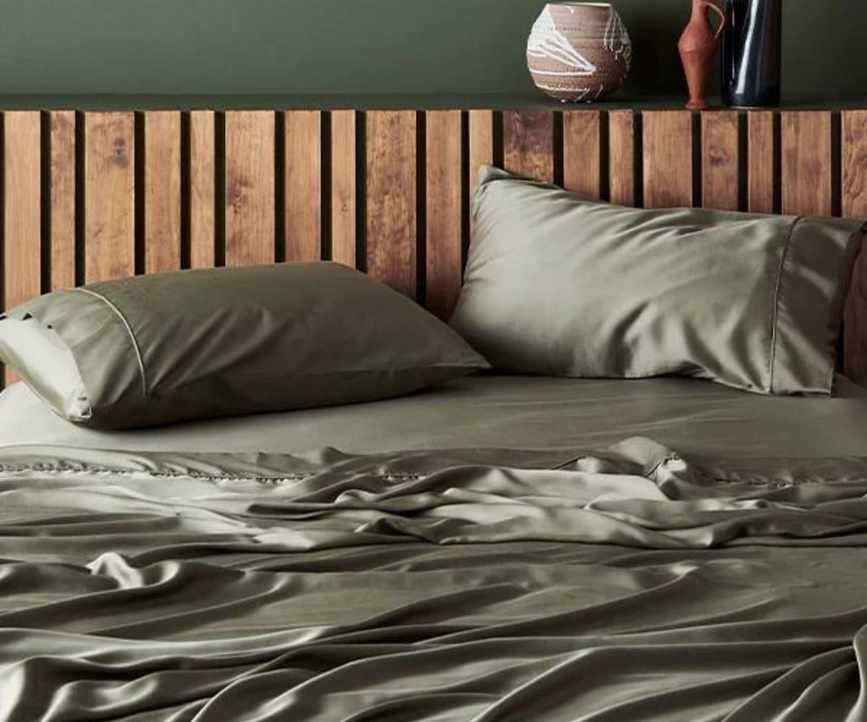
If purchasing a new mattress isn't feasible, consider exploring alternative hypoallergenic bedding. A mattress cover or protector serves as a barrier against dust mites, mold, and mildew.
For an upgrade without the full mattress investment, look into top-rated mattress toppers with hypoallergenic features. This can enhance your sleep while reducing allergens. Hypoallergenic bed sheets can also keep your sleep environment clean.
Another simple adjustment is investing in a hypoallergenic pillow, made from materials similar to those in hypoallergenic mattresses. Latex offers a responsive feel, perfect for side sleepers, while memory foam provides plush comfort.
 Organic topper
Saatva Organic Quilted Mattress Topper
Our tester Jamie reviewed this topper and found it to offer excellent support and natural cooling for various types of sleepers.
 Mattress protector
Purple Mattress Protector
Vanessa Hill endorses this protector, finding it effective at keeping allergens out of her mattress.
 Silk pillow
Cozy Earth Silk Pillow
After testing, I found this silk pillow to be cozy and naturally hypoallergenic, ideal for stomach sleepers with allergies.
Hypoallergenic Mattress FAQs
How Does a Hypoallergenic Mattress Function?
According to Vanessa Hill, 'Dust mites thrive in dark, warm spaces like mattresses. Certain materials, such as breathable memory foam and natural latex, help reduce allergens and maintain a dry interior, preventing mold and bacteria.'
Which Brands Offer the Best Hypoallergenic Mattresses?
For eco-conscious shoppers, specialty sleep stores featuring organic latex mattresses are excellent options. Brands like Saatva, PlushBeds, and Birch stand out. Additionally, Woolroom offers a hypoallergenic wool mattress.
You can also find hypoallergenic options at major retailers, such as the Nectar Memory Foam Mattress for chronic pain relief and the Naturepedic Chorus Mattress, designed with supportive springs.
Final Thoughts
If you struggle with allergies and haven't found relief, a hypoallergenic mattress might be your answer. While a significant investment, you can find sales that reduce costs. If your budget is tight, consider hypoallergenic bedding options like latex pillows or organic mattress toppers for an affordable sleep upgrade.


