

If you're looking to create a drought-tolerant yard from scratch or enhance your current garden, thoughtful planning is key. This approach will yield an eco-friendly outdoor space that stands up to dry spells.
Designing a drought-resistant yard offers numerous benefits. It lowers your water consumption, reduces maintenance tasks, and saves you time and money. Plus, choosing plants that require minimal care is a win for the environment.
Creating an effective drought-tolerant landscape depends heavily on careful preparation.
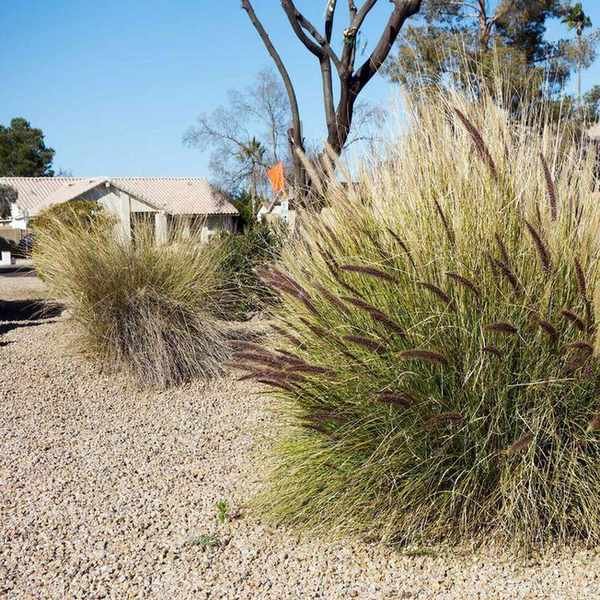
Ornamental grasses play a key role in a drought-resistant garden
5-step strategy for crafting a drought-tolerant yard
Designing a thriving drought-tolerant garden is achievable with proper planning. This includes selecting suitable plants and ensuring their well-being in the soil, alongside effective water management practices.
Understanding your local climate is also essential. If you reside in a drought-prone region, your garden's design should prioritize minimizing water use to benefit both your wallet and the environment, while favoring native plants adapted to these conditions.
'Begin by assessing your area's specific conditions, such as sunlight, microclimates, and climate trends,' suggests Ray Brosnan, owner of Brosnan Landscape Gardening. 'This knowledge enables you to choose plants that suit the environment and understand their irrigation needs.'
If you're ready to refresh your backyard with sustainable ideas, you're in the right spot.
1. Engage in thorough planning
Examine your yard closely. Decide if you want a completely new layout or just to enhance what you already have with sustainable features. Create a sketch that outlines measurements, existing trees, and plants you wish to retain, as well as any permanent structures.
It's beneficial to take ample photos of your yard, which can help you brainstorm and create a mood board. These images are also handy for seeking advice at your local garden center.
Determine your soil type at this stage. Knowing your soil composition will guide you in selecting suitable plants. Don't forget to note sunny and shaded areas, as these will influence your planting choices.
Explore online resources as well. The American Society of Landscape Architects offers insights into nature-focused design solutions for challenges like drought and biodiversity loss.
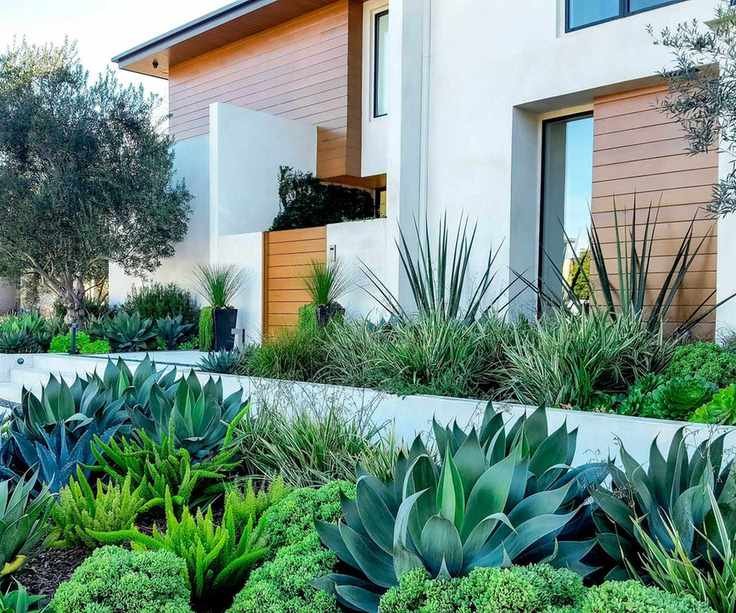
A well-planned drought-tolerant yard can look stunning
2. Assess soil conditions
For drought-resistant plants to flourish, your soil must be optimized for the conditions. Healthy soil is vital for plant growth and acts as a filter for rain. Compacted soil restricts water and air, hindering root development.
You may need to amend your soil to enhance its quality. 'Soil is more than just dirt,' explains horticulturist Noelle Johnson, author of Dry Climate Gardening, available on Amazon. 'It consists of a complex blend of organic matter, microbes, minerals, water, and air. In arid conditions, soil characteristics can change due to low rainfall, making it crucial to assess if modifications are necessary.'
Keep in mind that the soil in your yard may not be native, as construction often alters it. 'When a home is built, topsoil is typically removed, and the remaining soil is compacted. “Fill dirt” is usually added to level the area.'
This means the soil texture might differ from what you expect, and you should check the pH to see if amendments are needed.

Noelle is a horticulturist, landscape consultant, and garden writer based in the Phoenix, Arizona area. Known as the 'AZ Plant Lady,' she has spent over 20 years inspiring others to create and maintain beautiful gardens suited for hot, dry climates.
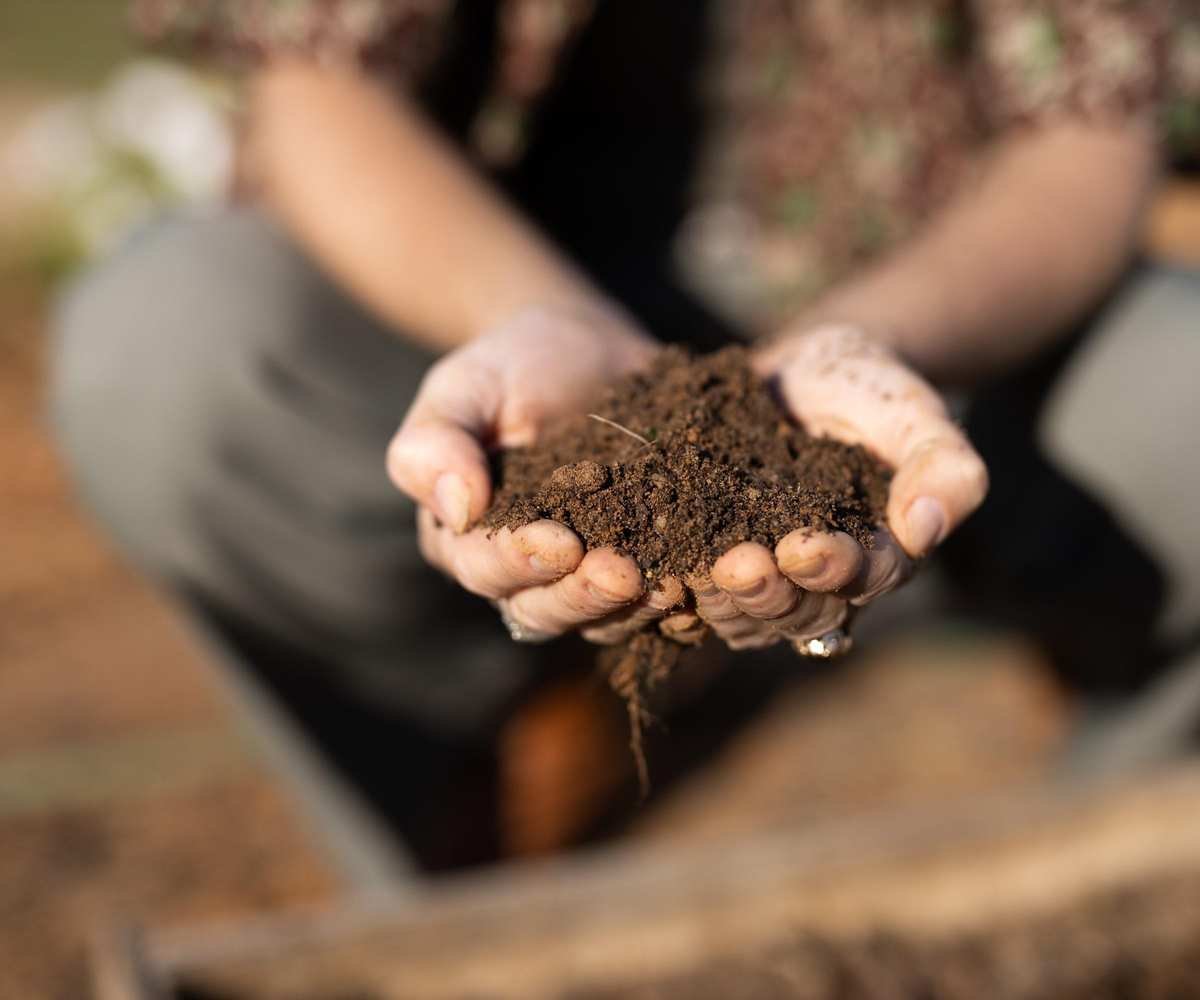
Your soil may not be as local as you think
3. Compile a list of water-efficient plants
The next step in planning your drought-tolerant yard is to pick plants suited for your climate. Factor in your soil type, sun exposure, wind conditions, and rainfall patterns.
Choose plants that thrive in your climate and have low to moderate water needs. Don’t forget to consider drought-tolerant shrubs as well. For optimal design, group plants with similar water needs together.
'Since about 70 percent of household water is used outdoors, it's wise to consider the water requirements of your plants,' notes Noelle Johnson. 'Identify high-water-use plants, particularly those native to humid regions with ample rainfall.'
Lastly, think about replacing these thirsty plants with those requiring less water.
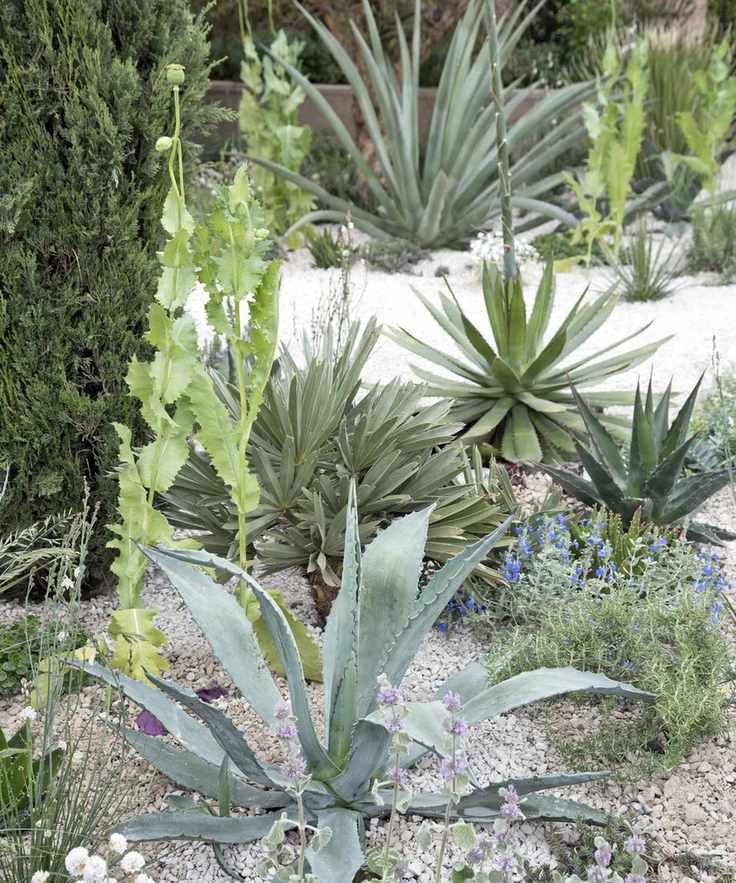
Seek inspiration from your neighborhood for suitable plants. Succulents and cacti are excellent choices for drought-tolerant yards
4. Integrate decorative mulch into your design
Using mulch is crucial for retaining moisture in your soil and enhancing plant resilience against climate extremes. Various mulch types, such as wood chips and compost, can be used. Gravel or pebbles also look attractive alongside drought-tolerant perennials.
Exposed soil can lead to erosion, runoff, and water waste, but mulching provides benefits that counteract these issues. A thick mulch layer will absorb rain, helping to retain moisture during summer.
Consider adding ground cover plants like creeping thyme or Snow-in-Summer to spread out and retain moisture.

Layering mulch effectively locks moisture into the soil
5. Practice water conservation
Any garden can be designed to conserve water through simple techniques like rainwater harvesting, recycling water, and installing drip irrigation systems.
'Homeowners can enhance water storage and recycling, minimizing the use of precious potable water for landscaping,' explains the ASLA. 'Bioswales, bioretention ponds, rain gardens, and sustainable water recycling systems can efficiently manage water. Also, consider reusing gray water for garden maintenance.'
When planning your garden, think about reducing runoff and erosion while utilizing effective water-saving strategies. One method is to create swales, or shallow channels, to capture and retain rainwater.
At the design stage, consider adding a low-pressure drip system to water the root zones of your plants. Alternatively, convert your existing sprinkler system to drip or adapt spray heads for better water efficiency.
'Implementing a drip irrigation system or soaker hoses delivers water directly to roots, minimizing waste,' says Ray Brosnan. 'Smart irrigation, including weather-based controllers and rainwater collection, enhances water conservation.'
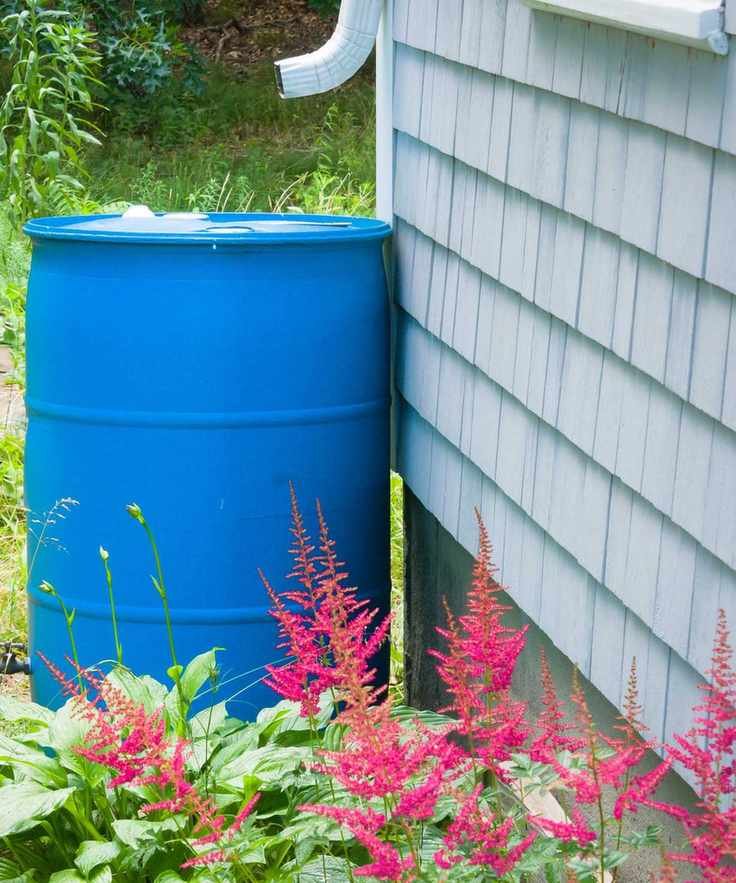
Rain barrels are a simple way to collect rainwater
When designing a drought-resistant yard, methods like xeriscaping offer multiple advantages, making them a popular choice for eco-conscious homeowners.
Xeriscaping techniques, including proper soil preparation and mulching, help retain moisture, reducing the need for frequent watering. By addressing these elements and implementing effective strategies, you can create a beautiful and environmentally friendly yard that thrives even in drought conditions.


