
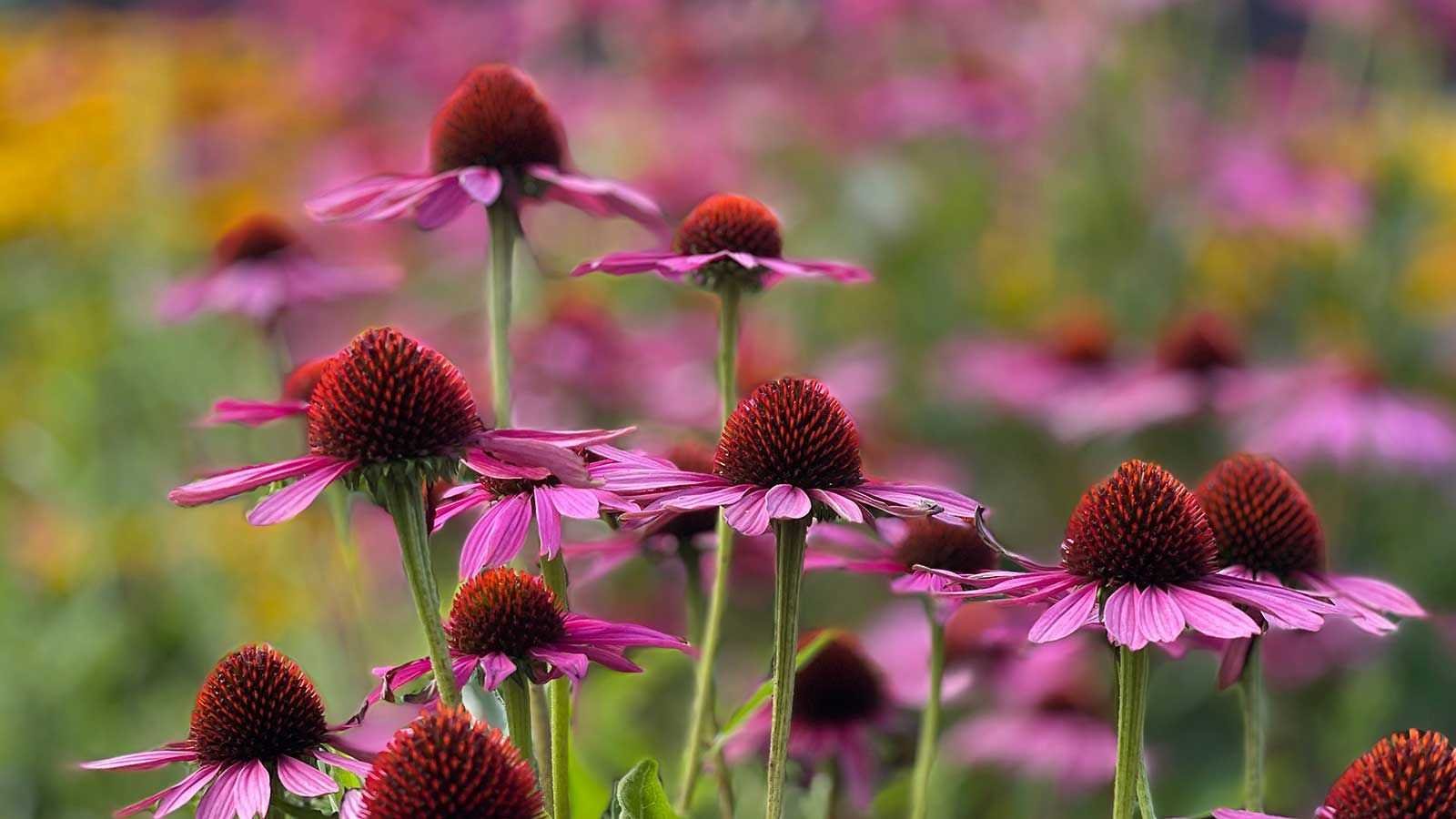
Coneflowers are one of my go-to perennials for long-lasting summer and fall color. And, not only are they made of tough stuff, they are also loved by pollinators in summer and hungry birds who enjoy snacking on the seed.
They are remarkably easy to grow, but for all their toughness, coneflowers do respond well to a little extra care, and feeding is one of the easiest ways to keep them flowering during August and September. But I wouldn’t throw fertilizer at them without reason. If your clumps are already producing a good number of blooms, there’s no need to overapply. But if they are sparse or starting to look a little tired, some deadheading and a quick feed can really perk them up, in my experience.
So, while you may already know how to grow coneflowers, here’s what I’ve learned over the years as a professional gardener about feeding them for the longest, strongest display.

How to fertilize coneflowers
There are many different coneflower varieties, most of which can be grown somewhere between zone 3 and zone 8.
One of the most popular is the native purple coneflower, or Echinacea purpurea, which produces masses of daisy-like, vibrant blooms, seen in the image above.
Whatever coneflowers you grow in your yard, the occasional feed can help to give your perennials a boost during summer.
When to fertilize coneflowers

In general, coneflowers are not greedy perennials. In fact, I have found that too much feeding, especially with high-nitrogen products, can lead to leafy growth at the expense of blooms.
Instead, I would stick to feeding them just once or twice during the growing season if they are lacking in flowers.
So, anytime between June and September is recommended. Feeding any later than this would be a fertilizing mistake to avoid, as no amount of feed will be able to extend the growing season.
The only time I would advise anything different would be if you are learning how to grow coneflowers in pots.
This is because container plants are entirely reliant on you for nutrition, so feeding them every few weeks during spring and summer is best.
How to fertilize coneflowers
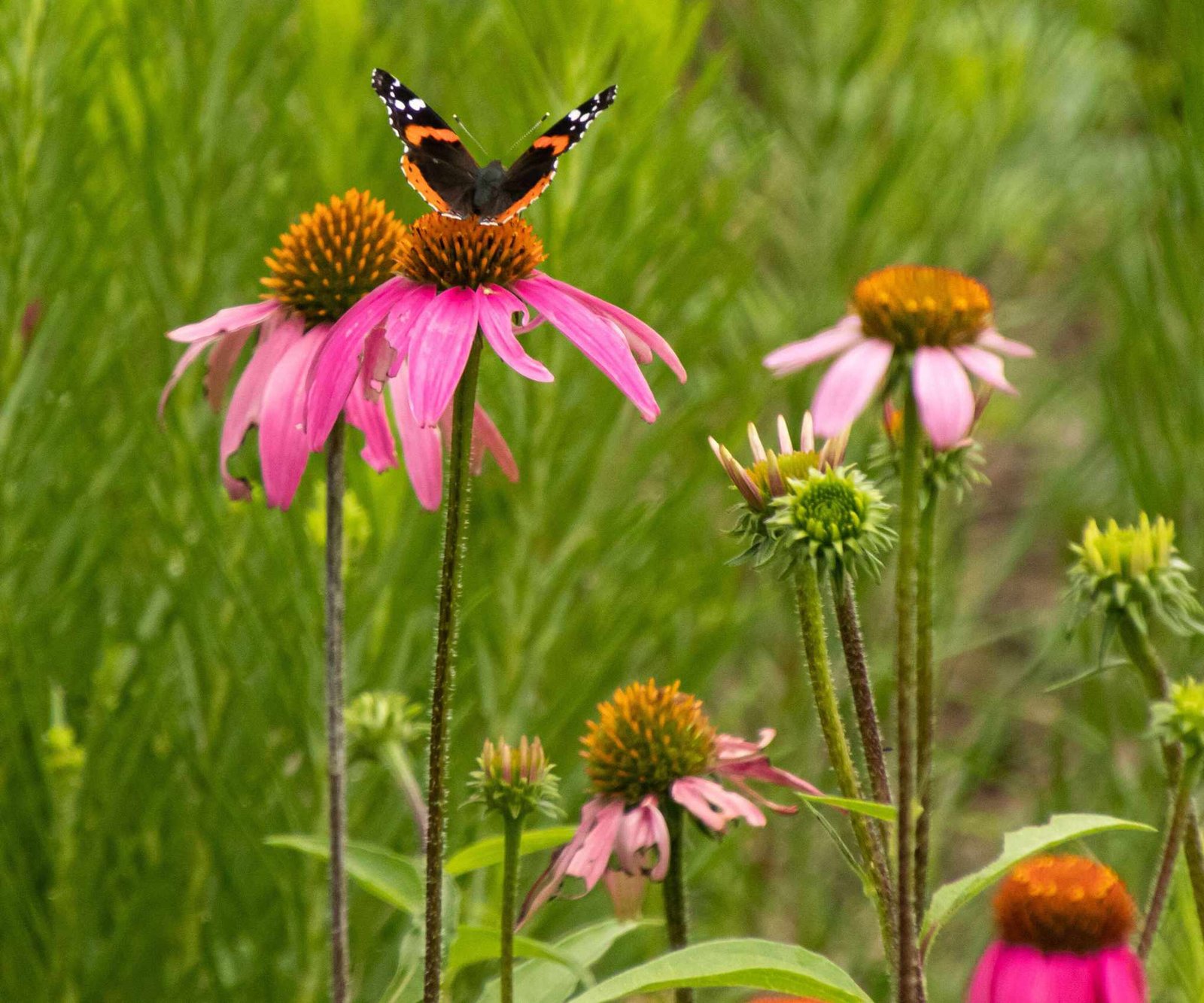
Learning how to fertilize coneflowers could not be simpler. But, importantly, using suitable products with the right plant fertilizer numbers is key.
I would suggest using a feed with a higher potash (or potassium) value, something in the range of 5-5-8 or 4-4-6. You are looking for a product with a higher third value.
Something like this organic tomato fertilizer from Burpee, available from Amazon now, would be ideal.
For potted coneflowers, I would stick to a liquid feed, applying once every three weeks, watering carefully at the base of your perennial to avoid splashing the leaves.
And, importantly, to keep your plants looking happy and floriferous, do not forget to deadhead coneflowers regularly through August.
However, towards the end of the growing season, leave the flowers in situ, so the local goldfinches can snack on the seeds in the early fall months.
FAQs
When should I mulch coneflowers?
Yes, mulching coneflowers that are growing in borders is a good idea. Doing this once a year in the fall or winter is best. A good two-inch (or thicker) layer of well-rotted organic material is ideal, and will give your plants a boost for the year ahead. Doing this may also reduce any need for fertilizing, too.
In general, you might find your coneflowers are blooming just fine without much need for fertilizer. So, feed sparingly, and only if you think your plants need it. With an annual mulch and the occasional sprinkle of feed, your coneflowers should put on quite a show.
For more feeding information, see our guide on how to fertilize daylilies this summer, to keep your borders in fine form.
Shop garden accessories

This organic plant fertilizer will give your coneflowers a boost this summer, just be sure to follow the instructions on the packaging.
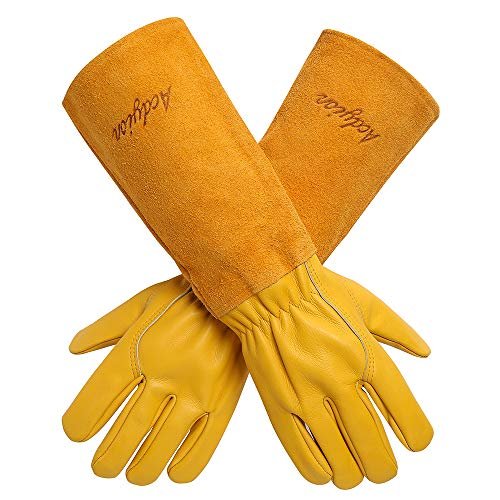
These long gloves will protect your hands when weeding and feeding in the yard, useful when working with spiky or toxic species.

This organic liquid tomato fertilizer is perfect for encouraging coneflower blooms this summer, both in the ground and in pots.