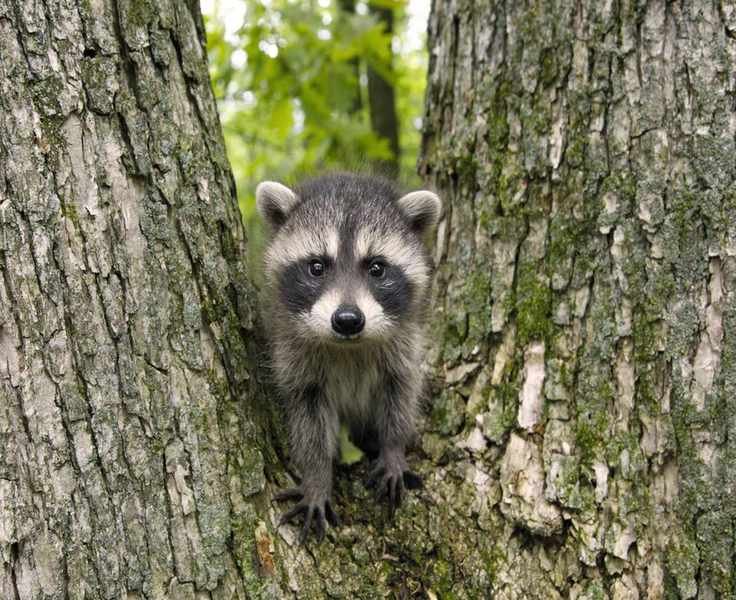
Raccoons can be charming creatures, but their nightly antics often lead to chaos. From rummaging through trash cans and wreaking havoc in gardens to stealing bird food and even chickens, their presence can be quite bothersome.
Signs of a raccoon problem include tracks in wet soil, cylindrical droppings, and the disruptive sounds they make at night. If you've experienced their late-night disturbances, you're not alone.
Wondering how to deal with raccoons? While some methods may harm them, experts suggest a humane approach focusing on removal and deterrence. The best tactics depend on the raccoons' location, the season, and whether young ones are present.
Here's a breakdown of effective strategies, many of which are surprisingly straightforward.
Deterring Raccoons in Your Yard
Raccoons aren't aware that they're invading your space, making themselves at home in your flower beds, lawn, and even garbage. While it's tempting to let nature be, their behavior can quickly become destructive, necessitating action.
To deter raccoons from your yard, consider these options:
- Eliminate food sources: Engage a pest control service to reduce grubs in your lawn. Ensure your chicken coop is secure, bring dog food inside, hang bird feeders high, and keep trash cans sealed tightly. This also helps with rat control.
- Install raccoon-sensitive lighting: Bright, sudden lights can scare these nocturnal creatures away.
- Use unpleasant scents: Sprinkle odors that raccoons detest around your yard and home.
Managing Raccoons in Your Attic and Roof
Dealing with raccoons in your attic can be challenging. They likely chose this space for its safety to raise young ones, so aggressive removal methods may harm the babies. Instead, try this:
- Wait until nesting ends: Raccoon kits are born from January to June, requiring several weeks to grow. After that, consult a pest control expert for safe removal.
- Block entry points: Secure your roof with durable wire mesh to prevent raccoons from accessing your attic.
- Make the attic uninviting: Remove potential nesting materials and use deterrent scents to keep them away.
Preventing raccoons from climbing onto your roof is vital since they can damage roofing and nest in chimneys and vents:
- Deter them with food removal: If raccoons lack food sources, they're less likely to seek shelter in your home.
- Evaluate landscaping: Trim or remove plants that provide climbing routes to your roof.
- Avoid climbing on the roof: This can be dangerous without proper safety measures. Hire professionals for raccoon removal.
- Seal vents and chimneys: Use wire mesh to prevent nesting.
Removing Raccoons from Under Your Home or Deck
Raccoons under your house or deck are often nesting. Many tactics to keep them out of your yard and attic apply here:
- Wait until nesting is complete or hire a pest control expert for humane removal.
- Remove food sources: Eliminate bird food and secure trash.
- Set up motion-activated lights where they've invaded.
- Use scents they hate around the deck and basement.
- Seal access points with sturdy wire mesh.
- Remove bedding materials to discourage nesting.
Handling Raccoons in House Walls
Raccoons in walls are a serious issue; they can damage wiring and insulation. If they're inside walls, they likely have young ones, but patience may be limited. Contact a pest control expert for safe removal and sealing entry points afterward.
Smells That Repel Raccoons
Raccoons have a keen sense of smell, which often draws them to your home. However, you can use this sensitivity to your advantage with the right scents:
- Garlic: Use crushed garlic, juice, or oil around your home to deter them.
- Hot pepper: Its strong scent is irritating to raccoons.
- Peppermint: Plant it around your property or use essential oil to keep them away.
- Epsom salts: Place them in areas frequented by raccoons.
- Onions: Their pungent scent is a strong deterrent.
- Vinegar: This common household item is effective against raccoons.
While these scents help deter raccoons, combining them with other removal methods, including professional assistance, is essential.
Home Remedies for Raccoon Deterrence
Using smells that raccoons dislike, such as raw garlic, onion, and chili pepper, can be effective. Mix them and place bowls around your home. However, comprehensive approaches, including sealing entry points and utilizing motion-activated lights, are the most effective.
Does Vinegar Deter Raccoons?
Vinegar is indeed effective at keeping raccoons away due to its strong scent. Soak rags in vinegar and place them in key access points around your home to repel them, though the smell will fade over time.