Visiting Bodie State Historic Park: A Ghost Town Adventure
Discovering hidden gems often means venturing off the beaten path. Bodie State Historic Park, a captivating ghost town in California, is one such destination, located 106 miles south of Lake Tahoe and east of Yosemite National Park.
Once a thriving gold mining hub in the 1800s, Bodie is now preserved as a California State Park. This preservation maintains its state of “arrested decay,” meaning structures have been stabilized but not restored. You won't find any staged displays or tourist traps here. For those fascinated by abandoned sites and historical ruins, Bodie is a true delight. I managed to squeeze in a visit during a trip to Tahoe while catching up with a friend in San Francisco at summer's end.
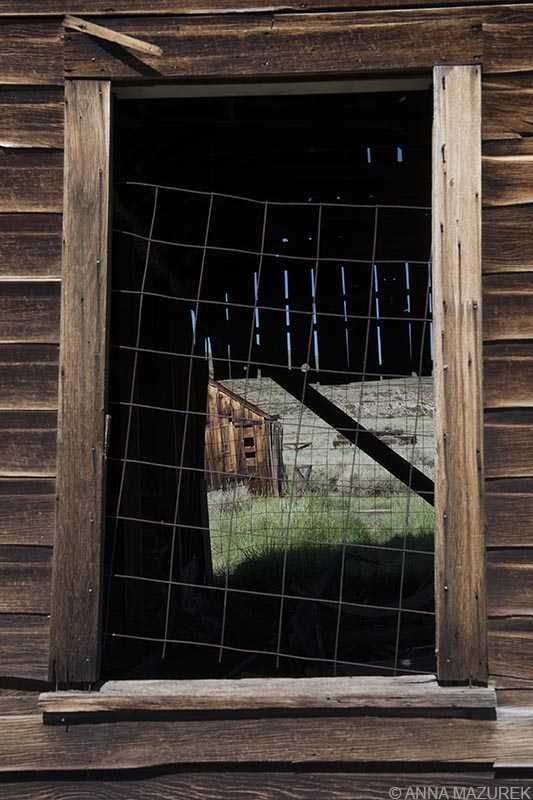
At its peak, Bodie's population swelled to between 7,000 and 8,000 residents.
The town owes its name to W.S. Bodey, who discovered gold in 1859 but tragically perished in a blizzard shortly after. Bodie's boom began when a mine collapse in 1875 unveiled rich gold deposits. Between 1877 and 1881, the mining district boasted 30 mines and nine stamp mills. However, by the early 1900s, many mines closed, and the population dwindled. Mining activities ceased in 1942, and James S. Cain, the last major landowner, hired caretakers to protect the site from vandalism. California State Parks acquired Bodie in 1962 to ensure its preservation.
Plan to spend a full day exploring Bodie. More than 50 buildings remain, with several accessible to visitors, including the 1890 Standard Mill, which can only be toured with a guide three times daily. The town sits at an altitude of 8,375 feet, so expect a bit of a hike.

The Standard Consolidated Mining Company was the most successful operation in Bodie, yielding $18 million over 38 years. Guided tours are available daily.
Tours
After paying the entrance fee, you can explore the town, except for the fenced-off Stamp Mill and other restricted areas for safety reasons. The Stamp Mill can only be accessed through a 50-minute guided tour available daily for $6 at 11 a.m., 1 p.m., and 3 p.m. during the summer. If you visit outside this period, check with the park museum for current tour times; I highly recommend it for fantastic photo ops.
During summer evenings, the park hosts Ghost Walks and Ghost Mill Tours, sharing local legends and ghost stories. These tours are popular and tend to sell out quickly.
Don’t forget to bring water and snacks. There are water fountains near the restrooms, but they’re not always operational.

Summer brings crowds to Bodie, so arrive early for the best parking and photo opportunities.
When to Visit
Due to the high altitude (8,375 feet), accessing Bodie in winter can be challenging, typically requiring skis, snowmobiles, or snowshoes. The park remains open year-round.
Summer Operating Hours (March 18th – October 31st): 9 a.m. – 6 p.m.
Winter Operating Hours (November 1st – March 17th): 9 a.m. – 4 p.m.
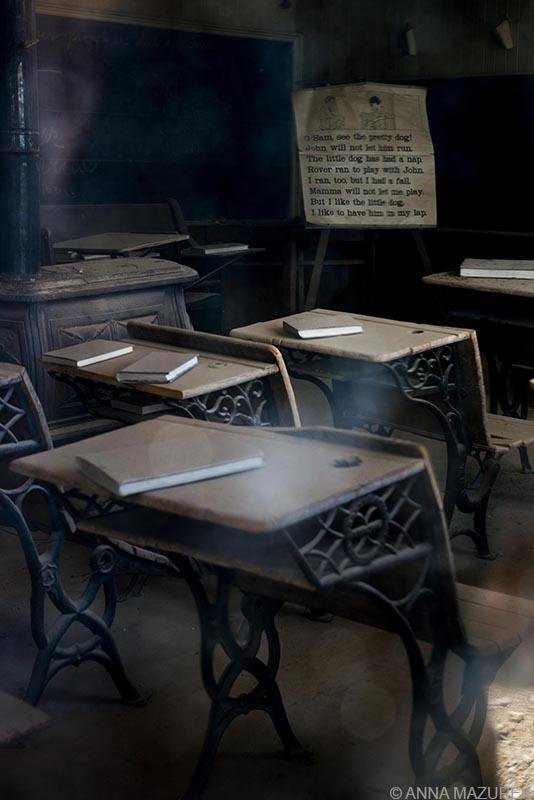
The Bon Ton Lodging House served as Bodie's second school after the first burned down. It closed in 1942, having peaked at 615 students from 1879-1880. This image was captured through a window, giving it a unique blurred effect.
Entry Fee
Adults: $8
Children (ages 3-17): $5
Children under 3: Free
Don't skip the $2 map and guide; the buildings lack signage.
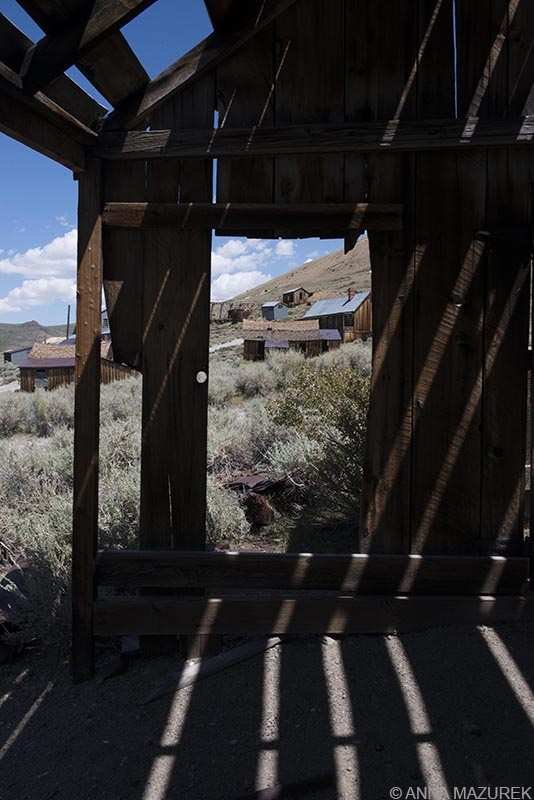
Bodie had over 60 saloons and opium dens located in its Chinatown area.
Directions to Bodie State Historic Park
Situated 106 miles southeast of Lake Tahoe, the drive takes about two hours due to narrow two-lane roads and occasional construction. Cell service can be unreliable. Arrive early to secure parking. The park is accessed via a bumpy, dusty road 13 miles from Highway 395. For further details, check the park's website.