

Ornamental grasses enhance gardens with their vibrant colors and textures. Ideal for filling borders or covering ground, they offer resilience and visual interest.
Blue fescue grass, Festuca glauca, is a standout evergreen known for its compact growth and striking silvery-blue leaves that shimmer in sunlight. This plant serves beautifully at the front of borders or as an understory option, making it a valuable addition for gardeners.
Here's everything you need to know about growing blue fescue grass. Whether you want evergreen ground cover beneath trees or to introduce a splash of blue to your container arrangements, this guide will help you succeed.
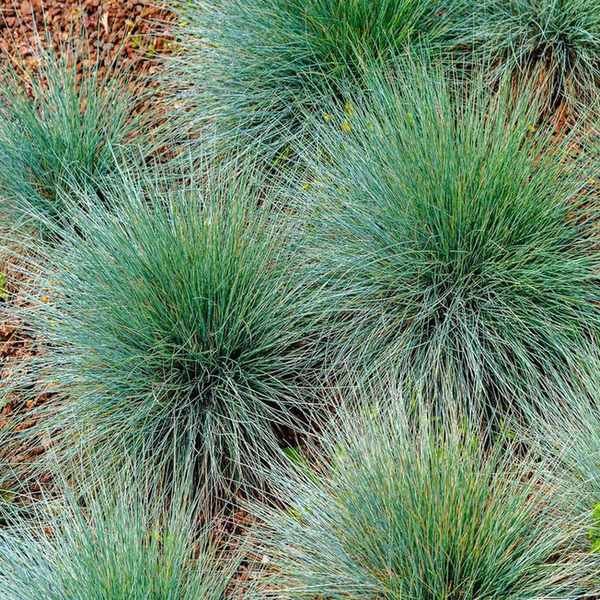
Growing Blue Fescue Grass
Originating from Europe, blue fescue grass is a remarkable evergreen ornamental that adds a serene touch to landscaping. Among the top plants with silver foliage, this grass promotes tranquil planting schemes.
From my experience, blue fescue pairs beautifully with white and purple flowers. For an eye-catching contrast, consider adding orange California poppy seeds nearby, complementing the blue blades perfectly. You can find blue fescue live plants online at Amazon.
Considerations for Blue Fescue Grass
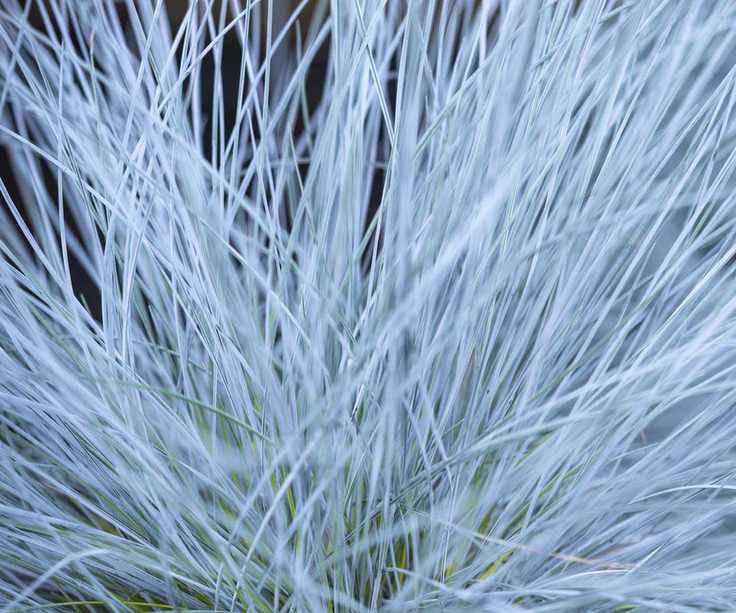
According to garden expert Sam Niemann, blue fescue makes an excellent accent or ground cover. It thrives in US hardiness zones 4 to 10, adapting well to various climates. This ornamental grass grows to a mature height of 8-12 inches fairly quickly.
Blue fescue flourishes in full sun, which helps maintain its vibrant blue hue, and it is drought-tolerant, making it suitable for drought-resistant landscaping.
These 'Elijah' blue fescue varieties will develop into lush clumps, creating a stunning drift of blue in your garden.
Tips for Growing Blue Fescue Grass
Soil: Blue fescue prefers well-draining soil that retains some moisture. Avoid overly wet conditions. 'Once established, blue fescue can withstand weeks without rain,' Sam notes, 'but I suggest watering when the top few inches of soil dry out.'
Light: This grass thrives in full sun, so place it where it can enjoy six to eight hours of sunlight daily. While it can tolerate partial shade, the silver-blue leaves may turn green. More sunlight means bluer foliage.
Watering: After planting, water the blue fescue deeply to help it establish. During its first summer, water it weekly or bi-weekly. Annual mulching can enhance soil quality and moisture retention. Pine mulch can be found at Walmart.
Fertilizing: Blue fescue generally doesn't require fertilizer. Annual mulching provides all necessary nutrients for healthy growth.
Pruning: 'To maintain the appearance of your blue fescue, trim old foliage in early spring as new growth appears,' advises Sam. If the plant is healthy and vibrant, there's no need to prune, but you can cut back to three to four inches above ground in March or April for fresh growth.
Pests and Diseases: Blue fescue is mostly resistant to pests and diseases, though aphids may become an issue during warm spring and summer months. A strong blast of water can help manage them, or use an organic solution for severe infestations.
Container Growing: Yes, blue fescue can thrive in pots. It's compact enough for container gardening. Replant annually to refresh the soil and give the grass space to grow. Keep an eye on watering needs, as pots can dry out quickly in summer.
Blue fescue grass is a resilient plant, well-suited for cooler northern zones. There's no need to winterize; simply enjoy its striking silver-blue foliage throughout winter. In fall, let the attractive seed heads remain on the plant until spring for added interest in your winter garden. For more tips, check out our guide on winter garden trends.


