

Mastering the art of growing honeysuckle allows you to enjoy its fragrant blooms, vibrant hues, and the versatility these climbing plants and shrubs offer.
Honeysuckle is one of the best climbing plants for vertical spaces, enhancing beauty and interest in your garden.
For smaller spaces, honeysuckle thrives in pots, allowing it to climb over a trellis or arch on a balcony or terrace, adding both privacy and delightful scent.
According to gardening experts, honeysuckle can effectively conceal less attractive parts of your garden, such as sheds or unattractive walls, while also providing fragrance and lovely blooms.
Choosing the Right Honeysuckle Variety
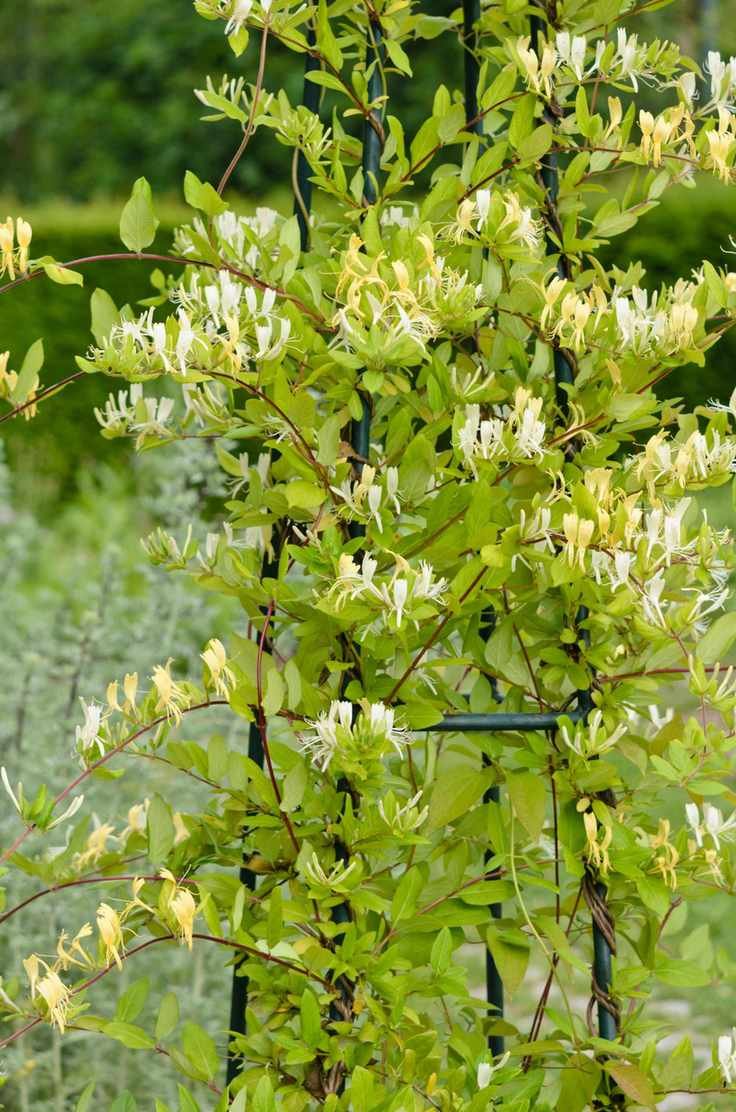
This flowering climber is a fantastic choice for compact gardens as it occupies minimal ground space and can also be grown in containers.
There are both deciduous and evergreen varieties of honeysuckle, with shrubby evergreen types offering excellent options for creating privacy.
Before planting, it's crucial to verify the variety of honeysuckle, as some types can be invasive in certain areas, leading to potential issues in your garden.
The USDA Forest Service has identified several invasive honeysuckle varieties that thrive in various soil conditions and can quickly spread, choking out local flora.
Invasive honeysuckle varieties may include:
- Morrow's honeysuckle – Lonicera morrowii
- Amur honeysuckle – Lonicera maackii
- Bell's honeysuckle – Lonicera x bella
- Japanese honeysuckle – Lonicera japonica, also considered invasive in the UK
The good news is that several non-invasive species can still enhance your garden, such as the native American trumpet honeysuckle, Lonicera sempervirens, suited for USDA zones 4 to 9.
In the UK, the lovely Lonicera periclymenum, or woodbine, is celebrated for its sweet fragrance.
Experts emphasize that there's a honeysuckle variety to match any planting style, from subtle and fragrant to bright and bold for a tropical garden vibe.
Always confirm the variety you select is suitable for your area.

Is Honeysuckle Easy to Grow?
Honeysuckle is relatively easy to cultivate, but like all plants, it needs the right conditions to flourish.
These climbing plants are known for their vigorous growth and adaptability.
While honeysuckles can be planted year-round, aim to plant deciduous types in late winter and evergreen varieties in spring or fall.

Optimal Planting Locations for Honeysuckle
Climbing honeysuckle can be trained to grow on trellises, pergolas, or walls, making them excellent for enhancing fences. Opt for evergreen varieties for year-round coverage, while shrubs can serve as hedges or ground cover.
These plants thrive in dappled shade and prefer moisture-retentive, humus-rich soil with some shade for their roots.
Provide support for their twining stems using materials like wire or lattice. Ensure good airflow by maintaining a gap of at least 2 inches (5cm) between the support structure and the wall or fence.
Honeysuckle's shade tolerance makes it a great option for north-facing walls, and its twining growth habit is perfect for integrating with larger plants or other climbing varieties.
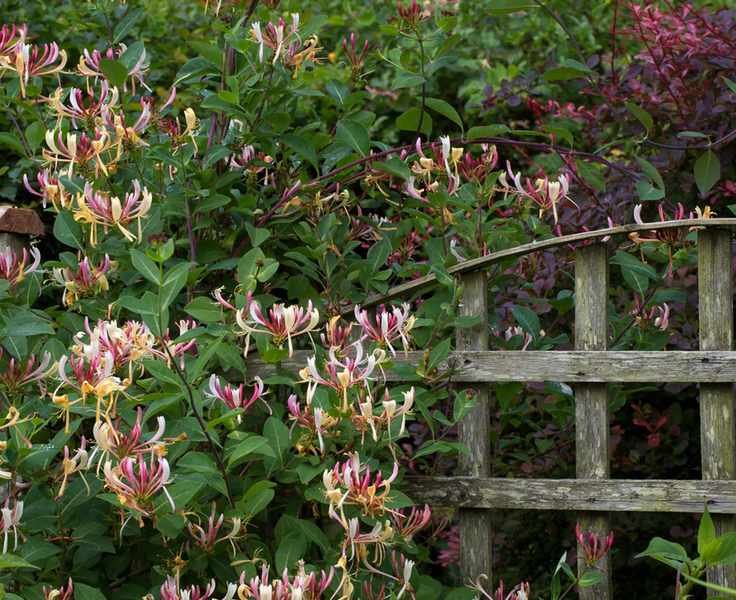
Best Practices for Growing Honeysuckle
The best approach to growing honeysuckle depends on the specific variety and your desired outcomes from the plant. Select varieties based on their flowering time, color, or fragrance to achieve the look you want.
Be mindful of flowering times and opt for species that bloom during periods of interest in your garden. Typically, honeysuckles flower from late spring to early fall, though not all varieties are fragrant. Deciduous climbers often show a more vibrant flower display, while evergreen types provide coverage year-round.
Ensure there's ample space for honeysuckle to spread out.

Can Honeysuckle Be Grown in Pots?
Honeysuckle thrives in pots, making it a great choice for growing on walls or pergolas in paved areas.
Use a spacious container and ensure there's a support structure for climbing.
Regularly water the potted honeysuckle and feed it annually. As it grows, you'll need to repot and prune it to maintain its shape.
This plant is attractive to butterflies and pollinators, so consider placing potted honeysuckles around terraces or patios to enjoy their beauty and the surrounding wildlife.

How to Care for Honeysuckle
After planting, trim back existing shoots by two-thirds to promote strong new growth at the base for better training up supports.
Water young honeysuckles frequently during their first spring and summer, then soak them occasionally once established. Early spring feeding and annual mulching with organic matter is beneficial.
Experts recommend avoiding fertilizing at the time of planting and during the first growing season to allow the plants to settle in.
Leaving spent flowers on the plant can encourage berries for birds, and it's important not to prune flowering honeysuckles, as they attract pollinators emerging from hibernation.
Honeysuckles may experience powdery mildew in summer, particularly if leaves are scorched or soil is dry. If this occurs, cut the plant back and use mulch to help prevent it.
Yellowing leaves may indicate low soil nutrients or dryness; mulching can recreate woodland conditions to address this.

When Should You Prune Honeysuckle?
Once established, deciduous honeysuckles require annual pruning.
Prune after 18 months to 2 years, as they flower on new growth. If neglected, they can become woody, making them difficult to restore.
Late-flowering honeysuckles should be pruned in spring since they bloom on current season's growth, requiring only light trimming.
For early-flowering varieties, prune after blooming, cutting back shoots by one-third.
Consider pruning half at a time to maintain sap flow, leaving three or four shoots to promote healthy growth.


