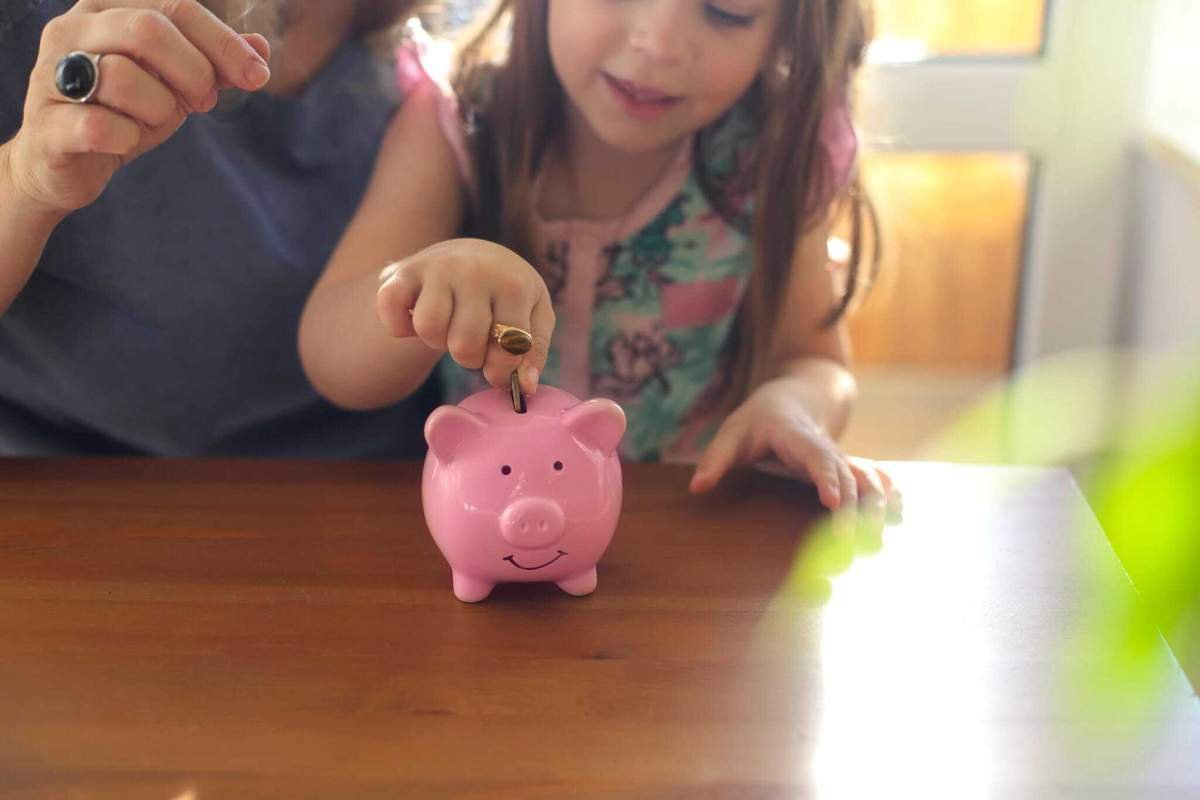
Financial literacy begins at home, and everyday moments can transform into memorable money lessons for your kids.
Children often learn their most valuable lessons outside the classroom. Mellody Hobson, a prominent figure in investing, emphasizes that these lessons come from parental guidance.
Kids observe how we interact with the world, manage our time, and treat those around us. They also notice our attitudes towards money—how we spend it and the stress it can cause.
In today's world, cash and physical cards are becoming less common. For kids, spending can feel like a game, with just a tap on a screen. This makes it crucial for them to grasp the concept of money—what it is, where it comes from, and how to use it wisely.
This week on a podcast, Hobson discusses how to teach children the value of money and make these lessons engaging rather than dull.
Understanding Price vs. Value
Jean Chatzky: My children received their first debit cards at twelve. We created linked savings accounts to monitor their transactions, and they received their allowance this way for quite some time. Research indicates that money habits begin forming around age seven. How can we engage them in discussions even earlier?
Mellody Hobson: I recommend starting with barter for young children, around ages four or five. Encourage them to assign value to items through trade. This helps them differentiate between price and value early on. Not everything expensive is valuable, just as not everything cheap lacks worth.
When children begin to value things, it profoundly influences their perspective on money. Would they prefer a cupcake or a toy? This choice helps them appreciate their possessions and experiences.
When Kids Understand Costs
Jean Chatzky: Based on your upbringing and research, what guidelines can aid parents in discussing money with their kids, especially when it may induce anxiety?
Mellody Hobson: People across all socioeconomic backgrounds often avoid discussing money. Those struggling financially may feel anxious, while those who are well-off might worry about raising entitled children. As a result, both groups sidestep the topic, leaving kids at a disadvantage.
Effective conversations begin with exposure. My mother did this well by allowing me to handle money from a young age. For example, she'd give me cash to pay at restaurants. As I matured, she'd have me count change. Now, I have my daughter fill out credit card receipts and calculate tips, empowering her with financial knowledge.
Investing Isn't Just for Adults
Jean Chatzky: How should we approach teaching kids about investing?
Mellody Hobson: I advocate investing in areas they understand and enjoy. This concept is fundamental for kids. By showing them companies they like, they can become stakeholders, fostering a personal connection.
Today, fractional shares make investing accessible without straining your finances. Kids can track their investments monthly or quarterly, understanding that they share in a company's successes and failures.
Want to boost financial confidence? Consider:
? FinanceFixx – A financial coaching program that helps you get your finances in order!
? InvestingFixx – A club for women eager to learn about investing and grow their wealth. Your first month is free!