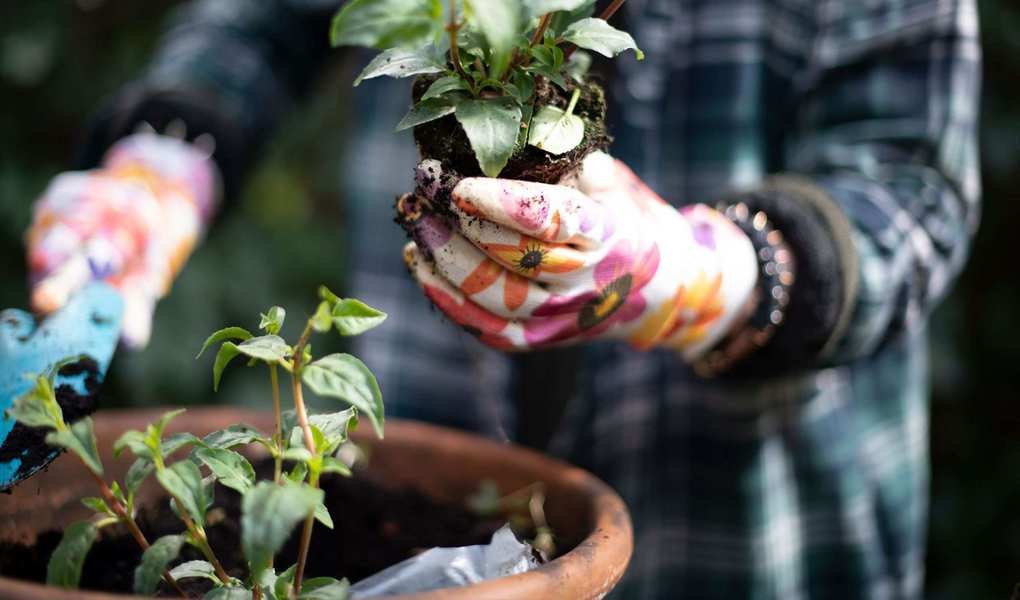
Soil health matters for anyone cultivating plants, fruits, or vegetables in their gardens. Regardless of your soil type, you can enhance its health through effective management. Creating healthy soil improves its ability to supply nutrients, oxygen, and water, which in turn supports your plants' growth.
To maintain good soil health, identifying your soil type is essential. This knowledge will guide you in making management choices that enhance soil structure and functionality. Continuous attention to soil health is necessary, whether through feeding, mulching, or growing plants that boost soil quality — all to provide your plants and backyard ideas the best chance for healthy growth.
What is Soil Health?
Soil health, also referred to as 'soil quality,' represents the soil's capacity to sustain a living ecosystem for plants, along with the animals, insects, and microorganisms it harbors, which in turn enhance soil vitality.
Good soil health ensures the availability of essential nutrients for robust plant growth, shelter, and sustenance for its inhabitants — from plant roots to microbes — along with water to navigate both wet and dry seasons.
Why is Soil Health Essential?
Healthy soil is crucial for vibrant plant life. This encompasses lawns, shrubs, annuals, and perennials, all needing optimal conditions, nutrition, oxygen, and water to thrive, just like us. Excellent soil health not only promotes flourishing plants but also reduces their vulnerability to diseases and pests.
Characteristics of Healthy Soil
A healthy soil displays several recognizable traits that even novice gardeners can identify:
- Rich dark color: Indicates a high organic matter content.
- Crumbly texture: Healthy soil easily releases from plant roots rather than clinging to them, showcasing organic matter presence.
- Well-spread roots: Suggests that plants are thriving in the soil.
- Beneficial insects and earthworms: Their presence signifies good soil health.
Key Components of Healthy Soil
The four main components of healthy soil are:
Balanced pH
Soil pH measures your garden's soil acidity. For optimal mineral absorption by plants, aim for a neutral pH, achievable with some effort. Alternatively, select plants that thrive in your soil's natural pH, which simplifies maintenance but limits options.
Texture and Structure
Good soil should crumble easily. Pull up weeds; if soil falls from roots, it's in good shape. This requires working to amend your soil type and incorporating organic matter. Organic matter can be introduced with compost, sourced from nurseries, created at home, or derived from decomposed plant and animal material through permaculture methods.
Organic matter enhances soil texture, provides nutrients, and improves drainage and water retention, ensuring roots are well supported.
Effective Water Regulation
Soil that is too boggy or drains excessively is unsuitable for many plants. As with pH, you may opt for plants that prefer your soil's natural state — for instance, designing a dry garden in dry soil helps manage water flow effectively.
Diverse Plant and Animal Life
Healthy soil supports various plant and animal species. A look at disturbed soil in your garden can reveal how diverse and productive it is, even to the naked eye.
If pests invade your soil, a solution of hydrogen peroxide and water can help eliminate bugs while adding oxygen.
Ways to Enhance Soil Health
Improving soil health can be as simple as adding organic matter or fertilizer regularly. However, this approach is overly simplistic. Instead, consider these steps for better soil health:
- Test soil pH — Understanding if it's alkaline, neutral, or acidic will guide your corrective actions.
- Know your soil type — Identifying whether your soil is clay, sandy, silty, peaty, chalky, or loamy will allow for proper adjustments.
- Add organic matter and compost — Throughout the growing season, this remains the top method for improving soil health; you can never add too much, but adding too little can hinder growth. Everything from purchased fertilizers to homemade compost and weed-free grass clippings or even coffee grounds can enhance your soil.
- Aeration — Healthy soil requires oxygen. Avoid compacting soil in containers or walking on flower beds. Aerate lawns and borders — using spike-soled shoes can help.
- No-dig gardening — Traditionally, turning soil was done annually, but this disrupts the ecosystem. Instead, apply a 2-inch thick layer of organic matter mulch and let worms and insects process it naturally.