
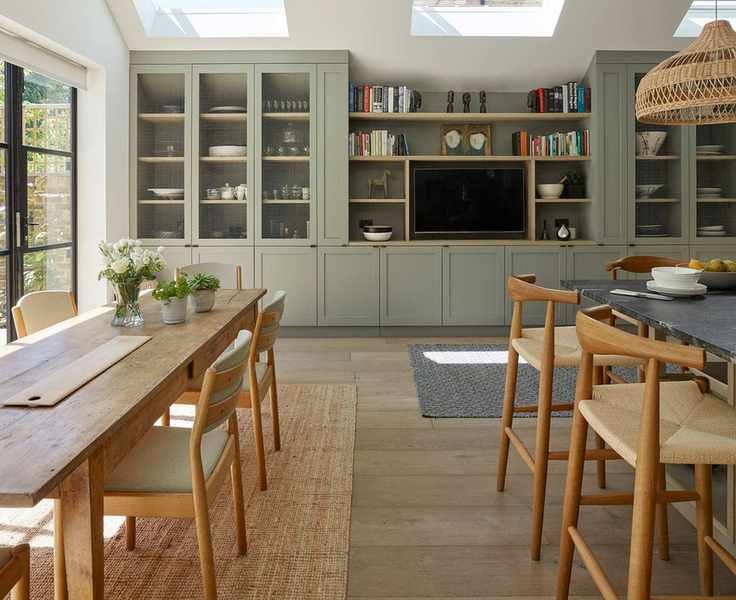
Preparing your home for sale through staging is one of the smartest investments you can make. Studies show that homes that are staged tend to sell three times faster than those that aren't, and 70% of real estate agents believe that staging can increase the offer price by up to 10%.
We consulted with design experts, Anne Carr from Anne Carr Design in Los Angeles and Alex Willcocks from Burbeck Interiors in London, to explore what features attract buyers, the perks of staging your home, and how to execute it effectively.
Top 15 Home Staging Tips for Success
"Staging is crucial for two main reasons," explains Anne Carr. "First, most buyers find it hard to envision the potential of a space. They often get stuck in their perceptions. Secondly, some may struggle with spatial planning. Rooms can seem significantly smaller without furniture, so the arrangement of items helps demonstrate the possibilities."
Regardless of your budget, these invaluable home staging tips will certainly leave an impression.
1. Clear Out Clutter

Decluttering is the first task on your list when staging your home. Clutter distracts potential buyers, drawing their attention away from the space itself. A cluttered home can also appear smaller and less inviting.
"Most of us accumulate belongings over the years, often far more than we need," continues Alex Willcocks. "It's vital that prospective buyers can picture themselves living in the space, which means it shouldn't feel overly personal or cramped."
Maximize surface areas on shelves, coffee tables, and kitchen counters by clearing away unnecessary items. Wicker or rope baskets can be handy for storing items that you need but don't want to display. Additional storage containers can also help if you need extra organization.
2. Enhance Storage Solutions — But Don't Overfill

After decluttering, you can identify areas where more storage might be beneficial to create a tidy and organized appearance. Ensure that your storage solutions, whether visible or hidden, are not overflowing. Buyers will appreciate ample storage that appears manageable, rather than cramped.
3. Prioritize Cleanliness
A spotless home conveys care and maintenance, which is essential for buyers. Even those looking to renovate prefer not to purchase a property that seems neglected. A clean and fresh-feeling home encourages buyers to envision themselves living there.
"If you do nothing else, focus on making your home clean and free of odors (while you may be used to your pets' scents, buyers are not!). Additionally, avoid leaving unfinished DIY projects, as they may imply ongoing maintenance issues," advises Alex Willcocks.
4. Complete Must-Do DIY Tasks
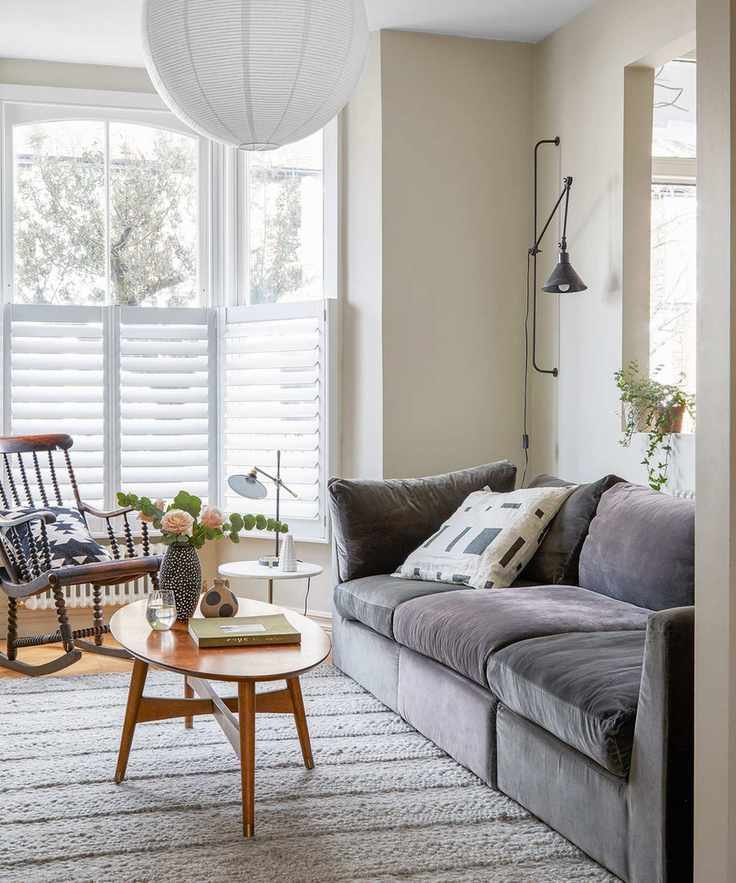
Just as cleanliness is crucial, addressing maintenance chores is essential to expedite offers. Make a checklist as you evaluate what's necessary for staging: fix leaking taps, repair gutters, patch holes in walls, and mend any broken fixtures. Visible damage can deter buyers.
5. Use Light-Reflective Colors for a Fresh Look
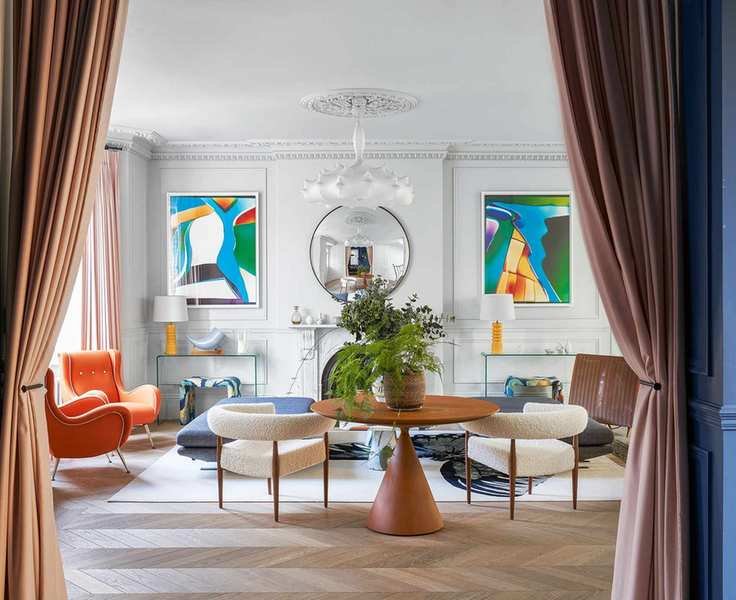
A fresh coat of paint can dramatically transform a space. "Painting can brighten a room, create an illusion of greater space, and convey a well-kept home," suggests Anne Carr.
While bold colors or unique wallpapers may appeal to you, it's often best to stick to neutral tones that are likely to attract buyers. Soft neutrals, pastels, and natural hues provide a welcoming ambiance.
6. Update Your Kitchen and Bathroom
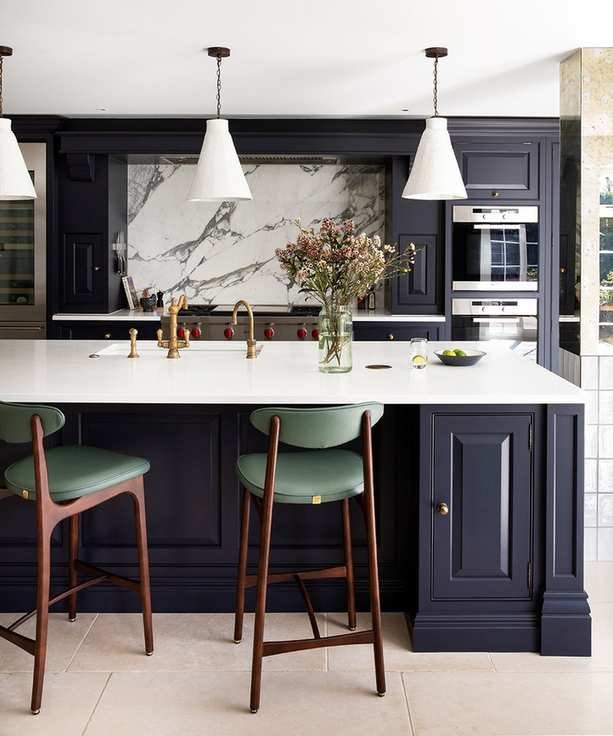
Interior design / Tom Howley
Staging your kitchen may involve more than just cleaning and decluttering. If your kitchen is hindering your chances of receiving an offer, consider a remodel, which can be recouped upon sale.
"A new kitchen significantly impacts buyers, showcasing that the home has been updated. Investing in kitchen and bathroom renovations typically yields returns," adds Anne Carr.
Remodeling doesn't always require a complete overhaul; sometimes, simply painting kitchen cabinets can make a significant difference.
7. Reassess Room Layouts
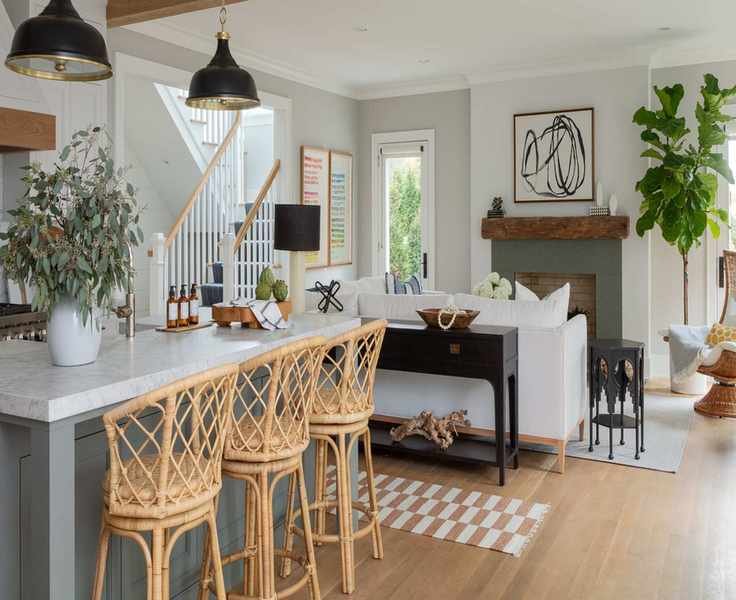
Adjusting room layouts can be a vital part of staging, especially in open-plan living areas that serve multiple functions, such as a combined kitchen and dining area. You might need to explore new living room layout ideas.
"I arrange spaces to highlight their best features rather than for practical use," states Anne Carr. "For instance, occasionally tables may be positioned too closely to cabinets, limiting access, but we prioritize aesthetics over function. The same applies to TV placement; no one is watching TV during a home tour!"
8. Don't Forget About Accessories
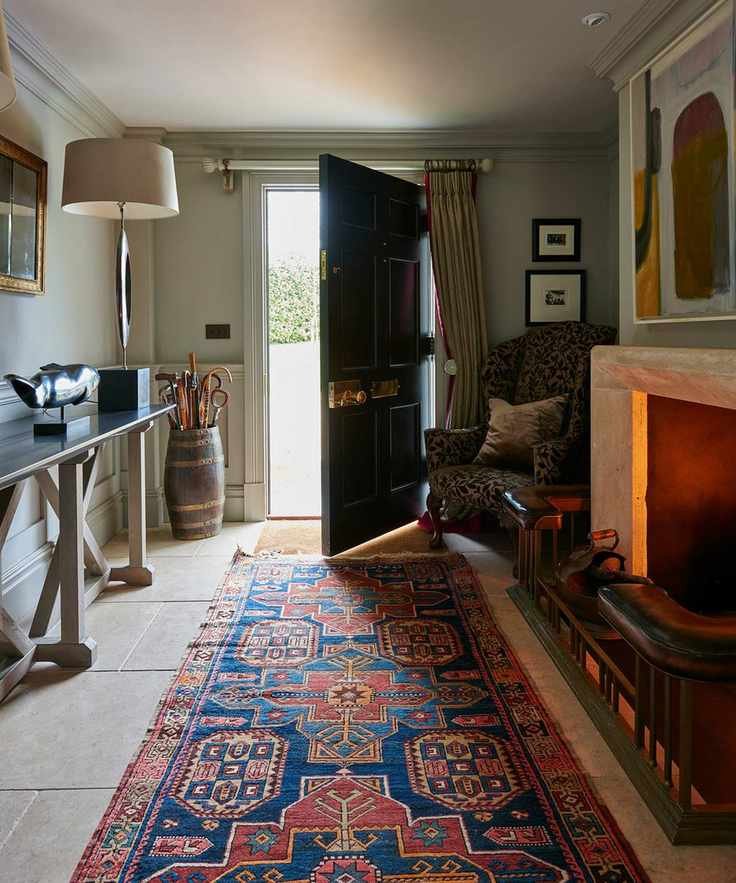
Staging isn't solely about adding items; it can also involve removing beloved pieces that don't contribute positively to the space.
"Eliminate any stained rugs or worn furniture. This can leave a negative impression on buyers, making the home appear neglected. If replacement isn't feasible, consider layering inexpensive sisal rugs over existing ones," recommends Anne Carr.
"Reupholstering furniture can breathe new life into a piece, and it doesn't have to be expensive. Choose a reasonably priced fabric to refresh the look. New, attractive furnishings elevate the entire atmosphere. If updating the kitchen isn't possible, painting the cabinet fronts can provide a dramatic facelift without significant cost.
"Cohesive and colorful throw pillows and matching blankets can also enhance the overall appeal of the space. Accessories play a substantial role, too; consider placing a coffee table book alongside a candle or decorative item."
"Small enhancements can significantly influence a room's atmosphere. Always opt for fresh white linens and towels," suggests Alex Willcocks. "This rule applies to bath and hand towels as well. Scented candles or oil diffusers are excellent for creating a warm and inviting environment."
9. Focus on Comfort in Staging
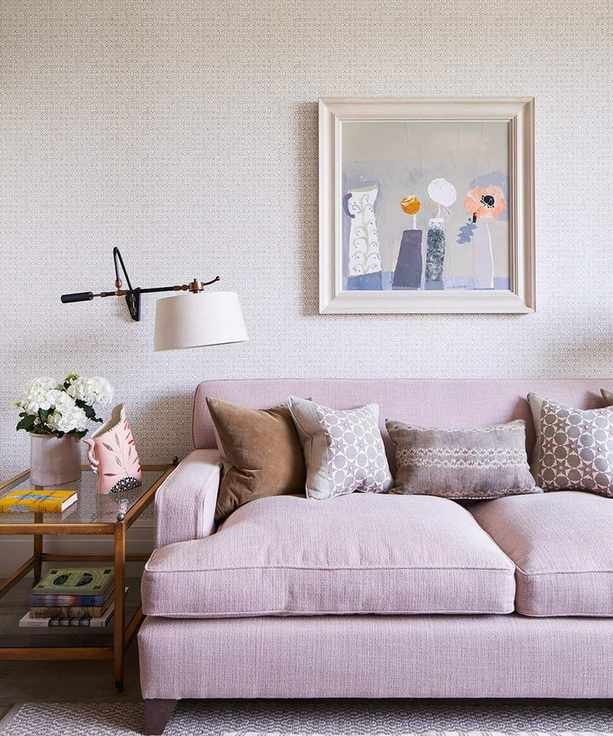
"Comfort is increasingly important as people spend more time at home," notes Anne Carr. "We're seeing a demand for large, cozy sectionals suitable for family movie nights.
"Unlike the early 2000s, when open-concept designs were favored, many clients now seek privacy and quiet spaces for work or online learning. Consequently, room layouts are being adjusted to create separate work areas for family members.
"Buyers appreciate contemporary furnishings that feel inviting rather than sterile. While there was a trend towards all-white designs, it's essential to create a space that reflects daily living, avoiding an impersonal, hotel-like atmosphere."
10. Infuse Color for Character
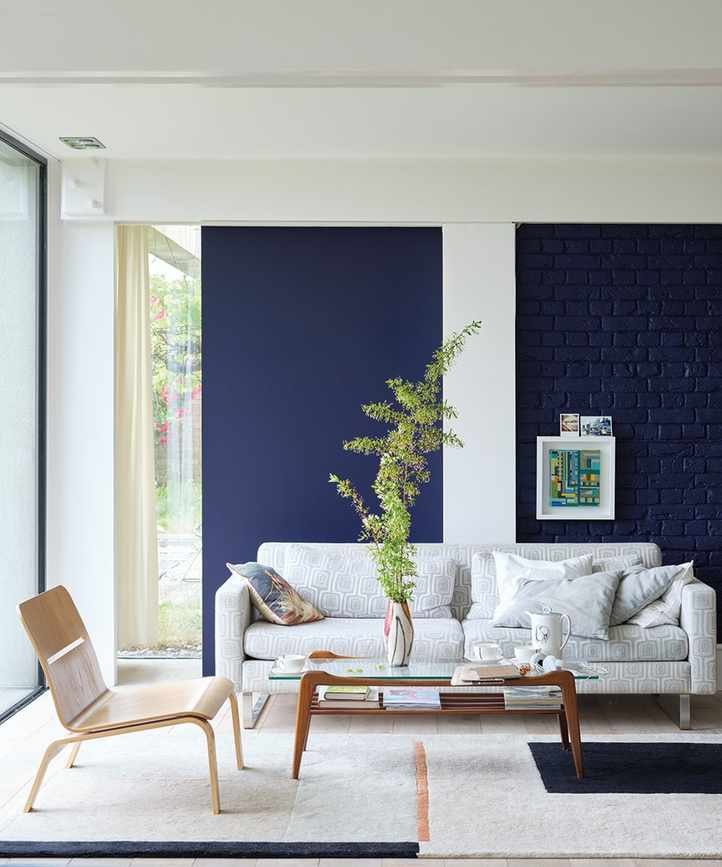
"Buyers enjoy seeing pops of color in cushions or accent chairs," continues Anne Carr. "When staging, we also like to introduce vibrant artwork as a surprise element. Color psychology shows that many individuals are drawn to blue tones. In contemporary homes, we tend to use a neutral palette with black accents more than in traditional styles.
"In Southern California, the aesthetic remains consistent year-round, but we tend to incorporate more muted colors in the fall and winter. During summer, we introduce brighter colors, especially in outdoor spaces, to evoke a cheerful atmosphere."
11. Create a Strong First Impression with Your Front Yard
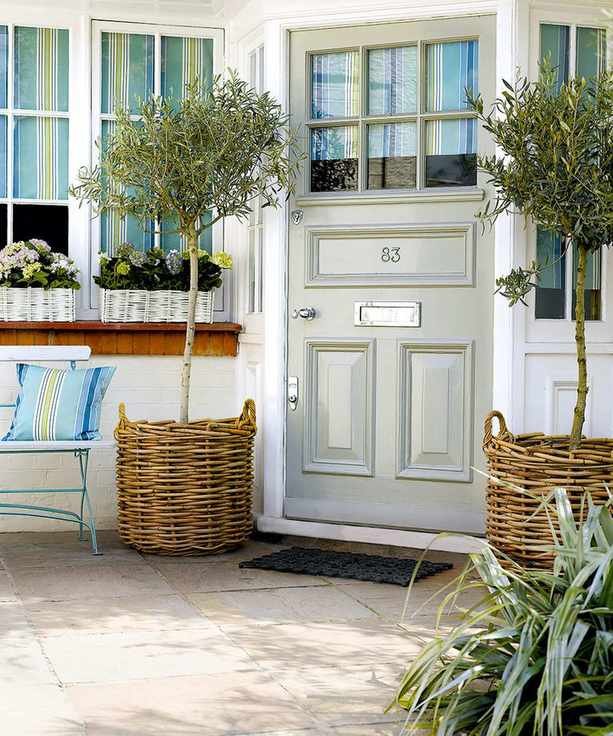
"This well-known adage applies to selling your home," remarks Alex Willcocks. "A buyer's evaluation begins long before they enter the property. Therefore, any improvements made to the home's entrance will yield positive results.
"Simple actions like weeding the path to the front door or applying a fresh coat of paint to the door can make a significant impact. Additionally, enhancing your front yard with flowers or hanging baskets can create a pleasant first impression with their fragrances."
12. Incorporate Real Plants in Your Staging
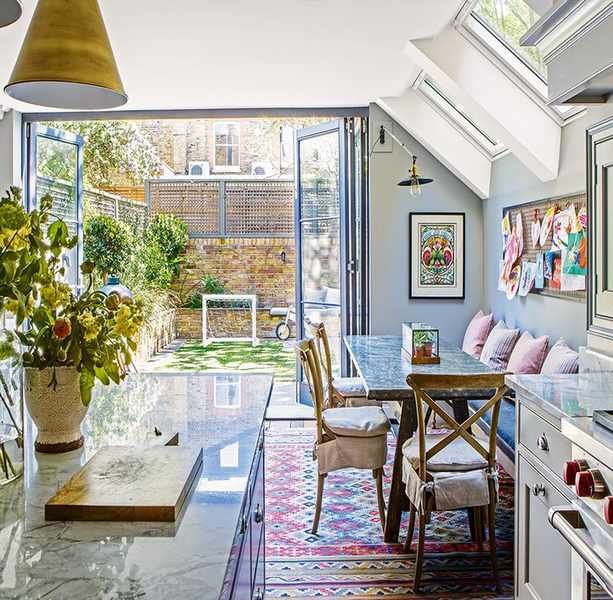
Integrating houseplants into your staging can be quite effective.
"We prefer using real plants whenever we can manage their maintenance," shares Anne Carr. "This approach helps buyers feel that the space is less like a hotel and more like a home they can envision living in. We rarely opt for faux plants unless they are of exceptionally high quality and indistinguishable from the real thing."
13. Don't Overlook the Backyard

"If you have outdoor space, it's crucial to maximize its potential," Alex Willcocks advises. "Regardless of whether it's small or expansive, it should be showcased as an extension of your home.
"Just like the front, examine what needs to be done to make it appealing. Treat your backyard like an additional room and stage it accordingly. Start by measuring the area and selecting suitable furniture — a small bistro set for a balcony or a larger sectional for family gatherings. All these backyard ideas will be beneficial."
14. Avoid Certain Items in Staging
"I recommend steering clear of metallic accents, as they can create a dated appearance and cheapen the overall aesthetic," concludes Anne Carr.
"It's also advisable to vacate the premises when buyers are visiting; this allows them to feel more comfortable, spend time exploring, and envision themselves living there. The home will feel less personal and more like a space they could inhabit. Consequently, depersonalization is essential. Remove family photos and replace them with neutral artwork," she adds.
15. Tailor Staging to the Home's Age and Style
Staging an older home differs from staging a modern one, but any home will benefit when the interior complements its architectural style and age. A cohesive design throughout the house can create a sense of spaciousness.
Why Is Home Staging Important for Selling?
Staging your home is one of the most effective ways to enhance its value. The process can range from simple decluttering to a comprehensive interior overhaul. You can tackle many of these tasks yourself, possibly with your realtor's advice, though hiring professional stagers can streamline the process and improve your chances of success.
Costs for staging can vary based on the extent of work required, but many strategies can significantly enhance the marketability of your property — which is what we'll explore here.
Who Covers Home Staging Costs?
Homeowners typically incur the expenses for staging since it benefits them by facilitating a quicker sale at a potentially higher price.
How Can I Stage My Home on My Own?
To stage your home independently, follow these straightforward steps:
- Clear out clutter — store items as needed.
- Invest in quality storage solutions for a tidy look.
- Ensure your home is clean and well-maintained.
- Repaint bold colors in lighter, neutral tones.
- Reassess room layouts to create a more spacious feel.
- Remove or store old, worn, or overly personal items.
- Enhance curb appeal.
Thanks to Burbeck Interiors and Anne Carr Design.


