
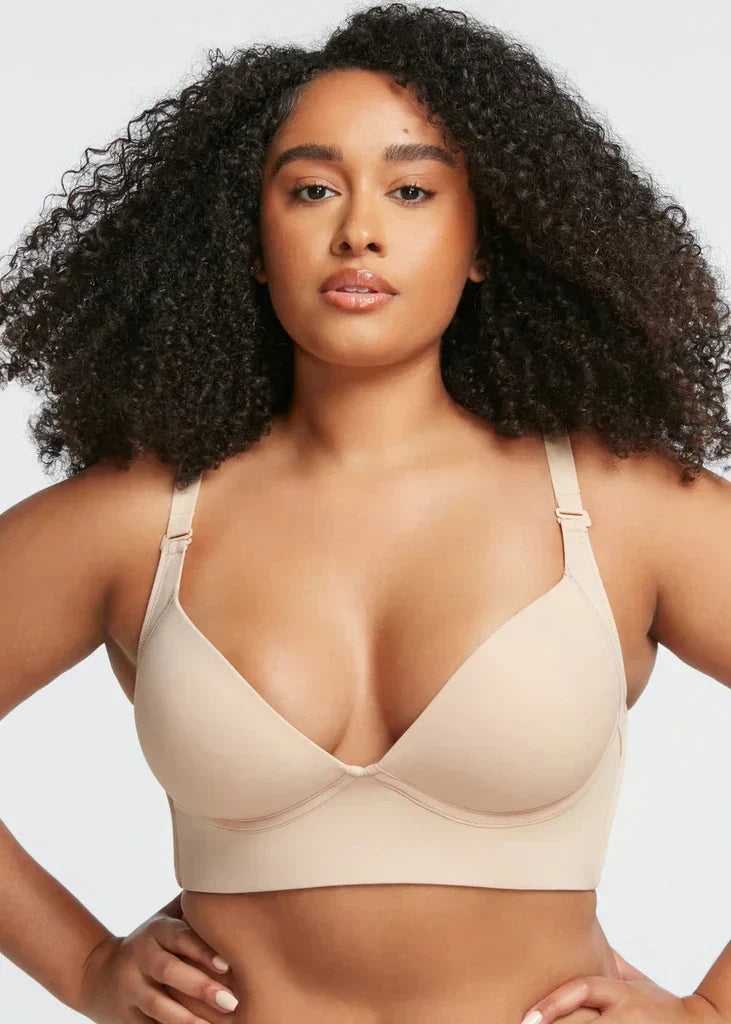
Is a D Cup Big? Understanding Cup Sizes and Their Impact. When it comes to bra sizing, one common question that often arises is: Is a D cup considered big? This question doesn’t have a simple yes or no answer, as breast size can vary widely depending on factors like body frame, band size, and individual perception. The measurement system for bras can be confusing and varies by region, which contributes to the complexity of determining if a D cup is ‘big’. Cup sizes often provide only an approximate fit due to the lack of standardization among manufacturers, making it challenging to find a bra that fits perfectly across different brands. To demystify what a D cup really represents, let’s dive into the nuances of cup sizes and how they affect fit, comfort, and overall appearance.
Bra cup sizes were invented in 1932, while band sizes became popular in the 1940s. The term 'cup' was not used to describe bras until 1916, when two patents were filed. Manufacturers' bra size labeling systems vary by country because no comprehensive international standards exist. Even within a country, one study found that the bra size label was consistently different from the measured size. Cup sizes A to D were not intended to be used for larger-breasted women. The current popular system of determining bra size is inaccurate so often as to be useless. In 2013, underwear maker Jockey International offered a new way to measure bra and cup size.
Understanding Cup Size Basics
Cup size, such as a D cup, indicates the difference between the measurement of the fullest part of the bust (bust size or bust circumference) and the underbust (band) measurement, also known as chest measurement or chest circumference. Bra cups and bra cup sizes are the key elements in sizing, as they represent the volume that the bra is designed to hold. The system of using letters like A, B, C, and D (b c) to denote cup sizes was developed historically to standardize the measurement of breast volume and support.
The difference between bust and underbust circumference is crucial: each one-inch difference corresponds to a cup size, so a D cup represents a 4-inch difference between your bust and band size. Some guides recommend rounding the difference to the nearest whole number for simplicity. This one-inch difference rule is a core part of the measurement system used in many countries. However, the sizing system and measurement system can vary by country and brand, and across different countries and their sizing systems, which affects fit and comfort. A most common mistake and common mistake is assuming the same size will fit across all brands or countries, leading to poor fit and discomfort.
However, the size of the cup itself is not fixed. For example, a D cup on a 32 band size will look very different from a D cup on a 38 band size. Here’s why:
- Cup Size Variation Across Band Sizes: In the world of bra sizing, a “D cup” changes in volume based on the band size it’s paired with. This phenomenon is known as sister sizes, where different band and cup combinations can have the same cup volume or the same volume. For example, a 32D has significantly less volume and breast tissue (about 300-400ml) than a 38D (approximately 700-900ml). Similarly, sizes like 30DD, 32D, 34C, and 36B can have the same cup volume despite different band and cup numbers. On a standard 34 band, a D cup typically holds about 380cc–450cc of breast tissue, illustrating the concept of actual breast volume and breast volume, which is not always reflected by traditional sizing. Some women may need to try two sizes to accommodate asymmetry or brand differences.
- Proportionality and Body Frame: What looks “big” on one person may seem proportional on another, depending on body shape and frame. For example, a D cup on a petite person may appear more pronounced, whereas on someone with a larger frame, it may seem less prominent. A common misconception is that D cup bras mean very large breasts, but in reality, a 30D and a 36D are very different in both appearance and volume.
Bra companies manufacture bras in a wide range of sizes to accommodate different bust sizes, bust circumferences, and underbust circumferences, but the lack of standardization in sizing systems can make bra fitting challenging, especially as cup size increases. Professional bra fitting is important for comfort and support, as it takes into account not just the label size but also the actual breast volume and individual body measurements. Even the same person can receive different size recommendations depending on the fitter or brand.
Measuring Bra Size: How to Find Your True Fit
Finding your correct bra size is the foundation for a comfortable and flattering fit, no matter your cup size. Many women wear the wrong size simply because they haven’t taken accurate measurements or are unsure how cup sizes and band sizes work together. Here’s how you can measure your bra size at home and feel confident in your choice.
Research indicates that roughly 80% of women wear the wrong bra size, which may lead to physical and health issues. A proper fit can prevent skin irritation and chafing caused by bras that are too tight or improperly fitted. About 25% of bra-wearing women have a difficult time finding a properly fitted bra. Experts recommend that women get fitted by an experienced person at a retailer offering the widest possible selection of bra sizes and brands. If the straps dig into the shoulder, the bra band is not offering enough support. If breast tissue overflows the bottom of the bra, the cup size is too small. If the band rides up the torso at the back, the band size is too big. If the band digs into the flesh, the band is too small. If the underwires poke the breast under the armpit, the cup size is too small. If the cups crease or are empty at some places, try a smaller cup size.
Start by grabbing a soft measuring tape and wearing an unpadded bra or no bra at all for the most accurate results. You’ll need to take two measurements: your band size and your bust measurement. First, wrap the measuring tape snug around your rib cage, just under your bust; this is your band size. Make sure the tape is level and snug but not tight, as a proper band size is key for support. Some sizing systems, especially in Europe and Asia, use a smaller band size or more precise band measurements to ensure a better fit, particularly for those with softer tissue or specific measurements.
Next, measure around the fullest part of your bust, usually at nipple level, keeping the tape measure straight and parallel to the floor. For accuracy, you should be standing straight with your arms at your sides while taking this measurement. This is your bust measurement. The difference between your bust and band measurements determines your cup size. For example, a 1-inch difference is typically a B cup, a 2-inch difference is a C cup, and a 4-inch difference means you’re likely a D cup size.
Let’s say your band size is 34 inches and your bust measurement is 38 inches. That 4-inch difference points to a D cup. But remember, sizing can vary between brands and styles, so it’s always a good idea to try on a few options to find the most comfortable and flattering fit for your unique shape.
It’s also important to consider your body shape and breast tissue when choosing a bra. Waist measurement can also be useful for determining overall fit and proportions, especially when assessing how a bra will sit on your body. Women with larger breasts or fuller busts may benefit from bras with extra lift, wider straps, or more structured cups, while those with less volume might prefer a lighter, unpadded bra. Your lifestyle matters too; different styles, like sports bras or everyday bras, can offer the right support for different activities.
Don’t get hung up on the label size. Focus on how the bra feels and fits your body. The right bra should support your breasts, sit comfortably on your rib cage, and enhance your natural shape. By taking accurate measurements and understanding your body’s needs, you’ll be well on your way to finding a bra that makes you feel confident and comfortable every day.
Is a D Cup Big? Exploring Cup Size Perception
The perception of “big” when it comes to a D cup largely depends on personal and cultural context. How a D cup looks can vary significantly across different body types; for example, a D cup may appear larger on a petite frame and more moderate on a broader or curvier build. In terms of average bra size, D cups are above the average in many regions, such as the UK and the US, where the average has increased over time due to better fitting practices. D is just one part of a broad size range, with larger cup sizes and large cups like DD, DDD, and even larger sizes, such as the H cup available, though these can be harder to find and fit due to variability in sizing systems.
Finding the perfect fit is crucial, and a well-fitting bra or properly fitting bra is essential for support and comfort, especially for D cups, as issues like straps digging, tissue spillage, or shoulder pain are common with poor fit. Wearing too small a cup can cause discomfort, skin irritation, and inadequate support, and if there is breast overflow from the cups, a bigger cup size may be needed for proper fit and comfort. A D cup is generally associated with a fuller, rounded breast size. On average, a pair of D-cup breasts weighs about 2 pounds (0.91 kg). D cup bra designs provide more coverage and deeper cups to help prevent spillage compared to A–C sizes. Bras for D cups often require supportive features such as wider straps and stronger underwires to manage the increased weight and size. Common issues faced by women with D cup sizes include back pain, spillage, and a lack of fashionable options. Many women wear incorrectly fitted bras, so proper measurement is important to ensure comfort and support.
Real-World Insights on Cup Sizes
- Comfort and Support: Many women with a D cup find that choosing the right style and supportive bra is crucial. Since fuller busts require more support, well-constructed bras designed for D cups and above, like those with wider straps and enhanced band support, can improve comfort significantly. The bra band plays a key role in providing support, so accurate measurement of your bra band size is essential for D cup wearers. If the band rides up your back, the fit is incorrect, and you may need a different size. Always check that the bra's center panel lies flat against your sternum, as this is a sign of proper fit. D cup bras come in many styles, including T-shirt bras, sports bras, and push-up bras, and the right cup bra style can make a big difference in comfort and fit. When considering cup construction, pay attention to the edge of the cup; a soft, serged edge can help the cup lie flat against the skin for added comfort and a seamless look.
- Balancing Proportions: A D cup can offer a naturally balanced look for those who prefer a fuller shape, making it a popular choice for breast augmentation candidates who want a fuller silhouette without going overboard. When finding the right fit, understanding sister sizes, such as 34D, 36C, or 32DD, can help you find a comfortable alternative if your usual size isn’t available.
Regional Bra Sizing Differences: How D Cups Compare Around the World
When shopping for bras, one of the most confusing hurdles is understanding how bra sizes, especially cup sizes like the D cup, differ from country to country. If you’ve ever ordered a bra online and found that your usual D cup fits nothing as you expected, you’re not alone! The truth is, a D cup in the US doesn’t always match a D cup in the UK, Europe, or Australia, and this can make finding your correct bra size a real challenge.
In the United States, a D cup is generally seen as a larger cup size, with a noticeable jump in cup volume compared to a C cup. But cross the Atlantic, and you’ll find that UK sizes often add an extra letter, so a US D cup is roughly equivalent to a UK DD. In many European countries, the sizing can shift even further, with a D cup sometimes aligning with an E or F cup, depending on the brand and the specific bra size chart used. Australia and New Zealand take a different approach altogether, using centimeters for band size and increasing cup sizes in 2cm increments, which means an Australian D cup may not match the same cup volume as its US or European counterpart.
This variation isn’t just about the cup letter; it’s about the actual cup volume and how it relates to the band size. For example, a 34D in the US might have the same cup volume as a 34E in the UK or a 75D in European sizes. That’s why it’s so important to consult a bra cup size chart or use a bra size calculator that accounts for regional differences. Taking two measurements, your band size (snugly around your rib cage) and your bust size (at the fullest part of your chest), with a soft measuring tape, is the first step. Then, compare your numbers to the appropriate size chart for the country or brand you’re shopping from.
Even within the same country, different brands may interpret sizes slightly differently, leading to variations in fit. This is why trying on bras in different styles and from various brands is key to finding your perfect fit. Don’t be discouraged if you need to try a sister size smaller or if your correct bra size changes depending on the brand or style, this is a common experience for many women.
If you’re feeling overwhelmed by all the numbers and letters, consider seeking help from a professional bra fitter. They can help you navigate the maze of band and cup size differences, ensuring you end up with a properly fitted bra that supports your bust, prevents neck pain, and eliminates issues like red marks, straps that dig, or a band that rides up.
In summary, regional bra sizing differences can make finding the right D cup (or any cup size) a bit of a puzzle, but with the right tools, like a bra size chart, measuring tape, and a willingness to try on different sizes, you can find a bra that fits beautifully, no matter where you are in the world. Remember, the goal is a comfortable, supportive fit that makes you feel confident in your own skin.
Choosing the Right Bra for a D Cup
For a comfortable and flattering fit, women with a D cup should consider the following features when selecting a bra:
- Wide and Adjustable Straps: These provide stability and reduce strain on the shoulders.
- Underwire or Supportive Padding: A good underwire design or lightly padded option can offer extra lift and shape.
- Proper Band Fit: The band should sit snugly around the ribcage, as this is where most of the support should come from rather, than the straps.
- Round Cup Shape: Round cup shapes can provide a smooth, natural look under clothing.
Because D cups have increased weight and size due in part to the amount of fatty tissue, bras for D cups often require supportive features like wider straps and stronger underwires to provide adequate support.
Final Thoughts: Embrace the Size That Fits Best
In conclusion, whether a D cup is big is subjective and varies based on body frame, band size, and personal preference. What matters most is finding a bra that fits well, offers adequate support, and makes you feel confident. Embracing the right fit, regardless of size, ensures that you look and feel your best.
Check out our homepage Olivia Paisley or review our Terms of Service