

Spring and summer gardens burst with color, featuring peonies, roses, foxgloves, and sunflowers. If you're anything like me, you'll find yourself cutting flower stems regularly to fill your home with beautiful bouquets.
If you want to grow flowers for indoor arrangements and consider yourself a budding florist, then cultivating cut-and-come-again flowers is key. Regardless of your space, from a sprawling garden to a cozy terrace, designing a cut flower garden can be a rewarding project.
These flowers, whether annuals or perennials, are known for their extended blooming season. If you keep cutting, they'll keep flowering. Let's explore what cut-and-come-again flowers entail, perfect for those new to gardening looking for flower bed inspiration.
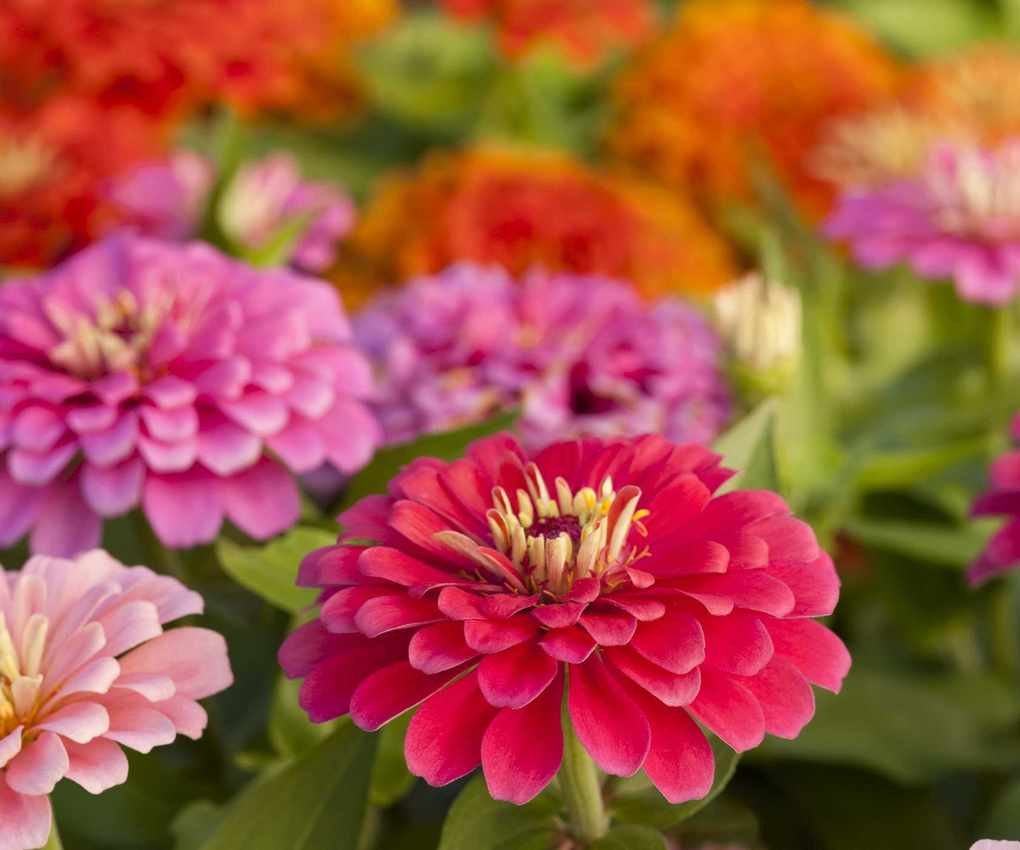
Defining Cut-and-Come-Again Flowers
Many beloved garden plants fall into the category of cut-and-come-again flowers. For me, these blooms represent the best use of garden space and an economical way to fill both your outdoor and indoor areas with color.
Keep in mind that annual cut-and-come-again flowers will sprout, bloom, and wither within a single season, while perennial varieties will return year after year.
Tips for Caring for Cut-and-Come-Again Flowers

Caring for cut-and-come-again plants is straightforward. For instance, keeping snapdragons blooming requires regular watering, feeding, and deadheading. Master these basics, and you're on the right path.
Like other cottage garden varieties, most annual and perennial flowers prefer sunlight and well-drained soil, unless specified for partial or full shade, like anemones.
Additionally, providing support for your plants can be beneficial. For example, tall phlox flowers may collapse under heavy rain or wind, so consider staking them with bamboo canes. For a creative touch, try crafting hazel supports for a more rustic look in your garden. Just remember to tie the twine loosely to allow for movement in the breeze.
Snapdragon, Madame Butterfly
This stunning snapdragon is a showstopper, featuring vibrant blooms in a mix of bronze, ivory, pink, rose, red, and yellow. These flowers shine in the garden and make beautiful vase arrangements.
Are Snapdragons Cut-and-Come-Again Flowers?
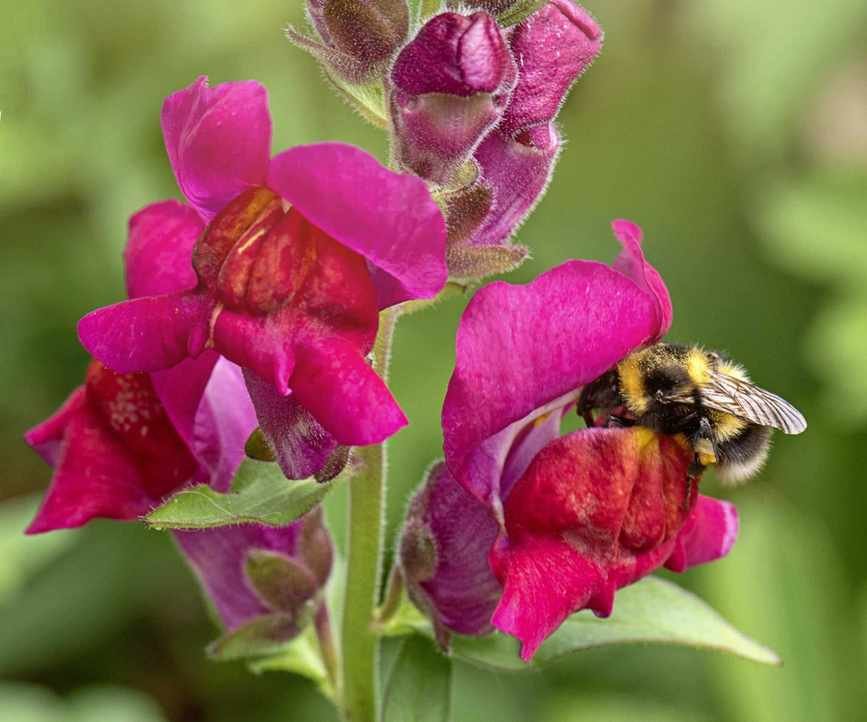
Snapdragons, along with zinnias, cosmos, and various other annuals, are classified as cut-and-come-again plants. These flowers will sprout, grow, and bloom in a single season.
I typically cultivate a variety of annuals, selecting some that bloom early in the season, like snapdragons, and others that flower later, such as zinnias. Depending on your US hardiness zone, certain flowers, like cosmos, can continue blooming into fall, bringing added color as days shorten.
Perennial plants, including anemones and phlox, also fall under the cut-and-come-again category. I've had success with anemones in various gardens; these shade-loving perennials will keep producing stems if regularly cut.
When deadheading, remember to snip the stem just above a leaf node to encourage new flowers. For vase arrangements, choose tall, straight stems, though a few wild, bendy ones can create an appealing, natural look.
To maintain bushy and productive plants, alternate your cutting between different flowers. This practice will stimulate new growth and yield more blooms.
Cosmos
Cosmos 'Lemonade' stands out in garden borders with its lovely pale to lemon yellow blossoms. This variety adds a touch of elegance to your planting scheme.
Frequently Asked Questions
Can I Grow Cut-and-Come-Again Flowers in Containers?
Absolutely! Most cut-and-come-again flowers thrive in pots. Annuals like snapdragons, zinnias, and cosmos are perfect for container gardening and can bloom well into fall if they're content. Use high-quality potting soil and ensure regular watering during the hot summer months.
Growing cut-and-come-again flowers in your garden is a fantastic way to fill your space with vibrant blooms that keep producing through spring and summer. For more insights on cultivating cut flowers, check out our guide on flowers suitable for hayfever sufferers.


