

Tired of lugging heavy watering cans or dragging traditional hoses around your garden? If you seek a straightforward and effective method to keep your plants nourished, a soaker hose might be just what you need. These hoses can help save time, conserve water, and promote healthier plants.
Having used soaker hoses in various gardens, I consulted experts to clarify what a soaker hose is and its advantages for watering your plants.

Efficient watering for flower beds is possible with soaker hoses
What Exactly Is a Soaker Hose?
A soaker hose may resemble a standard garden hose, but its unique feature is its porous design with tiny holes. This makes it an excellent choice for deep irrigation.
Mechanics of a Soaker Hose

Soaker hoses can be found in both round and flat designs
Typically made from porous rubber, PVC, or fabric, soaker hoses feature thousands of holes throughout their length. When activated, water seeps gradually along the hose, penetrating the soil to nourish plants. They can be easily connected to outdoor spigots and are simple to arrange in your garden.
Benefits of Using a Soaker Hose
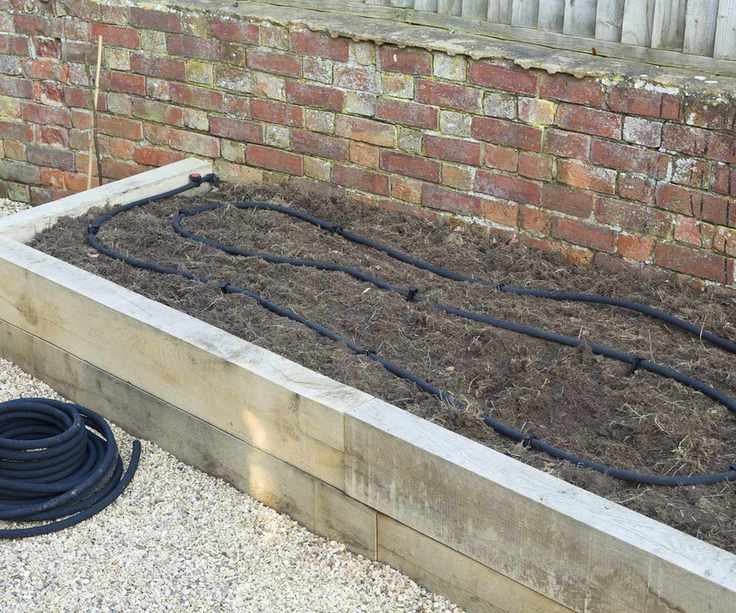
Perfect for watering raised beds
In my experience with soaker hoses in vegetable gardens, polytunnels, and glasshouses, I've found them user-friendly and adaptable for small spaces. They work well in flower beds, borders, and raised beds, remaining in place throughout the season.
Not only are they easy to set up, but they also provide significant benefits for plant health. As expert Sarah Menz points out, "The gentle watering allows water to absorb properly without overwhelming your plants or causing runoff."
Positioned close to plant roots, soaker hoses minimize evaporation, directing water precisely where it's needed. This method fosters healthier plants and reduces potential fungal issues associated with traditional watering methods.
"Watering at soil level keeps leaves dry, significantly lessening the risk of fungal diseases from overhead watering," says Marek Bowers. Overhead watering can lead to evaporation and increase the likelihood of mildew, especially when done late in the day.
Soaker hoses are versatile but work best with plants arranged in rows. For maximum effectiveness, lay the hose as near to the plants as possible. If your garden layout is informal, it may be more challenging to ensure water reaches all plants' root zones.
Utilizing a Soaker Hose

Soaker hoses effectively water rows of plants
Setting up a soaker hose is straightforward. Attach it to a spigot or another hose for extended reach. It's crucial to select an appropriate length and lay it on even ground to prevent water from seeping downhill.
Marek Bowers shares a simple four-step method for using a soaker hose:
- Position the hose at the base of the plants, weaving it through the garden for even coverage.
- Secure it in place with garden staples or pins.
- Cover with mulch to retain moisture and keep the hose steady.
- Connect to a timer for consistent watering.
Maintain low water pressure when using the hose, as they function best at reduced levels. A quarter turn of the faucet may be sufficient.
Test the hose to ensure it seeps instead of sprays. Adjust as necessary, as too much pressure could damage the hose or cause leaks.
Running a soaker hose for about two hours, twice weekly, typically delivers two inches of water, keeping soil hydrated in warmer months. The actual rate may vary based on hose type, so monitor results with a moisture meter or screwdriver.
The morning is the ideal time for watering, minimizing evaporation. If not, evening watering is a good alternative.
Using a hose timer can automate morning watering, making your routine hassle-free.
Burying the hose under an inch or two of mulch enhances moisture retention. Just ensure it's not buried too deep and that there are no kinks blocking the flow.
Where to Find Soaker Hoses and Accessories
100 Ft Soaker Hose Kit
This kit includes a 100-foot soaker hose and a 20-piece connector set, complete with instructions for setup and watering.
50 Ft Flat Soaker Hose
Made from 100% recycled black vinyl with a clog-resistant fabric cover, this flat hose is easy to store.
Programmable Water Timer
A timer featuring a large LCD display showing watering duration, frequency, and power, adjustable from 1 minute to 3 hours 59 minutes.
Common Questions
Is it safe to leave a soaker hose running continuously?
While soaker hoses seep water, leaving them running constantly can lead to soil saturation and overwatering, risking plant health. Continuous use can also result in hose damage or flooding if not monitored.
Soaker hoses differ from drip irrigation systems. While drip hoses can be more complex to install and pricier, they may be better suited for watering individual plants or larger, sloped gardens.


