

As people seek ways to connect with their surroundings, interest in Feng Shui is growing. This ancient practice offers insights into harmonizing your living space.
Feng Shui's origins remain somewhat mysterious, but evidence indicates its use in Chinese culture for over four thousand years. The term itself translates to ‘wind’ and ‘water,’ illustrating the connection between human life and the environment.
So, what does Feng Shui imply for your home? This time-honored Chinese practice emphasizes that the arrangement of objects, colors, and spaces can foster harmony and balance by channeling positive energies, known as Chi.
Here, an expert designer shares insights on Feng Shui and its benefits for your living spaces.
Understanding Feng Shui
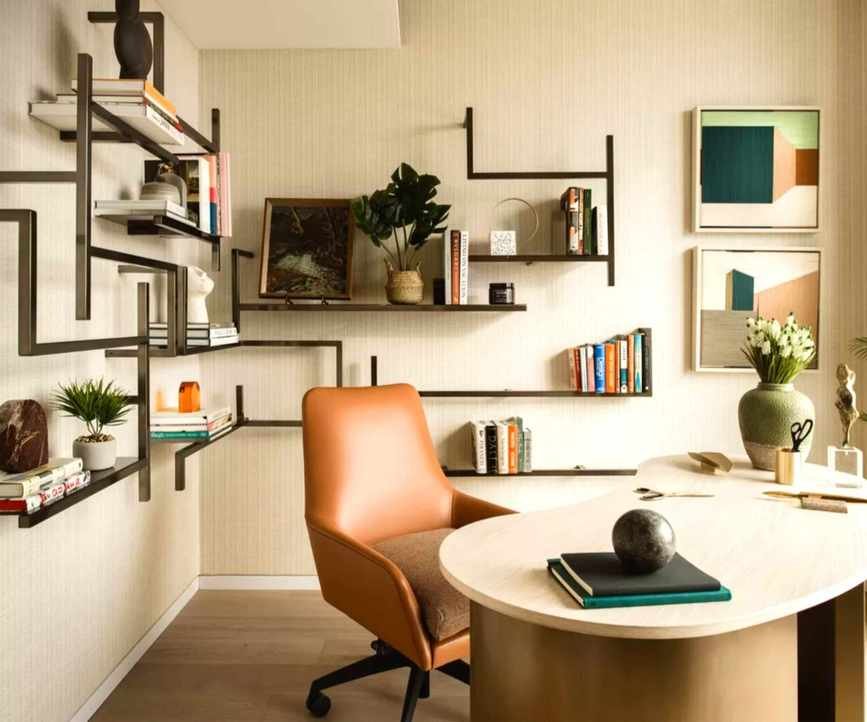
Feng Shui is rooted in the Taoist belief in Chi, the life force present in all things. Chi is often associated with yin and yang elements, symbolizing opposing yet complementary forces that create balance.
This practice focuses on balancing these elements in our surroundings to enhance their harmonious effects.
For instance, Feng Shui in the bedroom helps promote rest and wellness through strategic furniture placement. Meanwhile, entryway Feng Shui establishes a welcoming atmosphere for guests and a comforting return home.
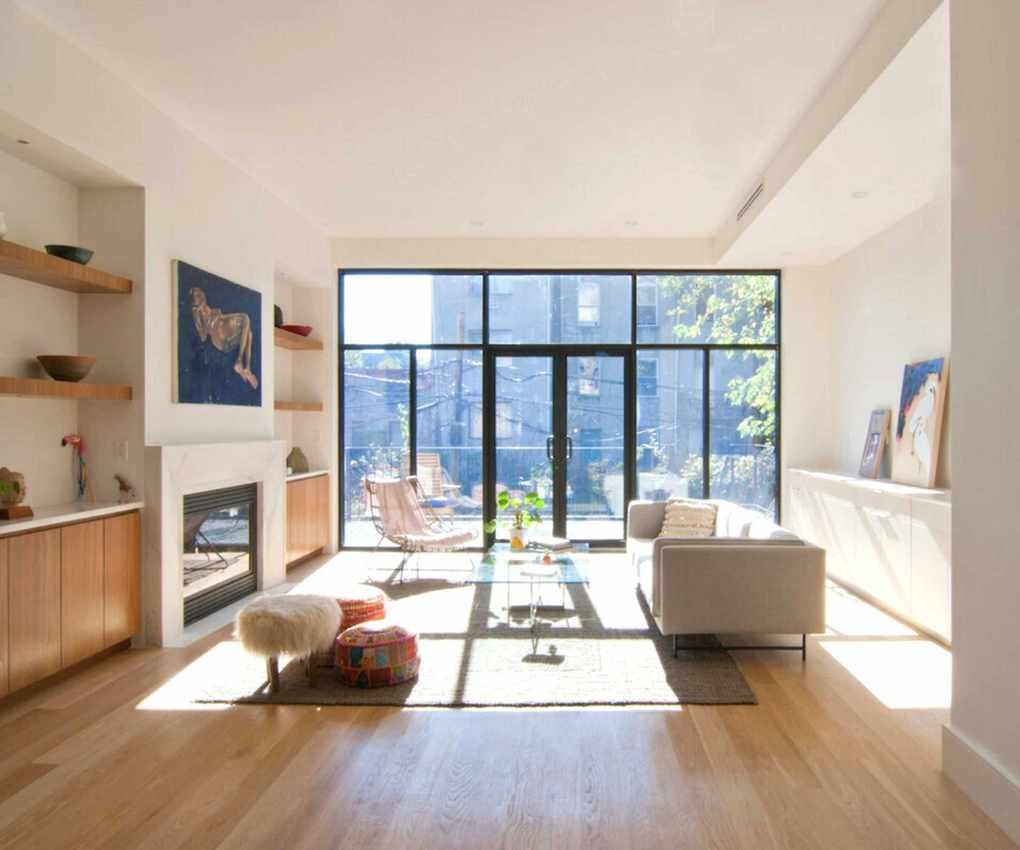
“Traditionally, Feng Shui is known as the art of placement, assessing how Chi flows within your home in relation to the Dao,” explains Feng Shui expert Anjie Cho. Anjie Cho Architect.
“I see Feng Shui as an awareness of your spaces. Being mindful of your environment helps you realize how it impacts you, just as you influence it. By focusing on your home, you can promote positive changes in your life.”
“With thoughtful design, our homes can support us rather than create obstacles. We all face enough challenges without adding more through our living spaces!”
How Experts Utilize Feng Shui

Feng Shui is often employed to enhance health, attract prosperity, and improve relationships. For example, Office Feng Shui aims to boost career success and financial growth, while bathroom Feng Shui focuses on well-being.
“Feng Shui applies to all types of spaces—natural, work, or living environments,” Anjie notes. “Even our bodies can embody Feng Shui principles.”
“Considering the home, it’s our personal refuge. Especially post-pandemic, we recognize how our homes influence us. Organizing our spaces thoughtfully is vital.”
“When we apply Feng Shui, we align ourselves with our surroundings, enhancing our connection to family and self.”
“People are beginning to understand the importance of supportive homes. You should enter your space without clutter hindering movement, allowing you to feel relaxed and rejuvenated.”
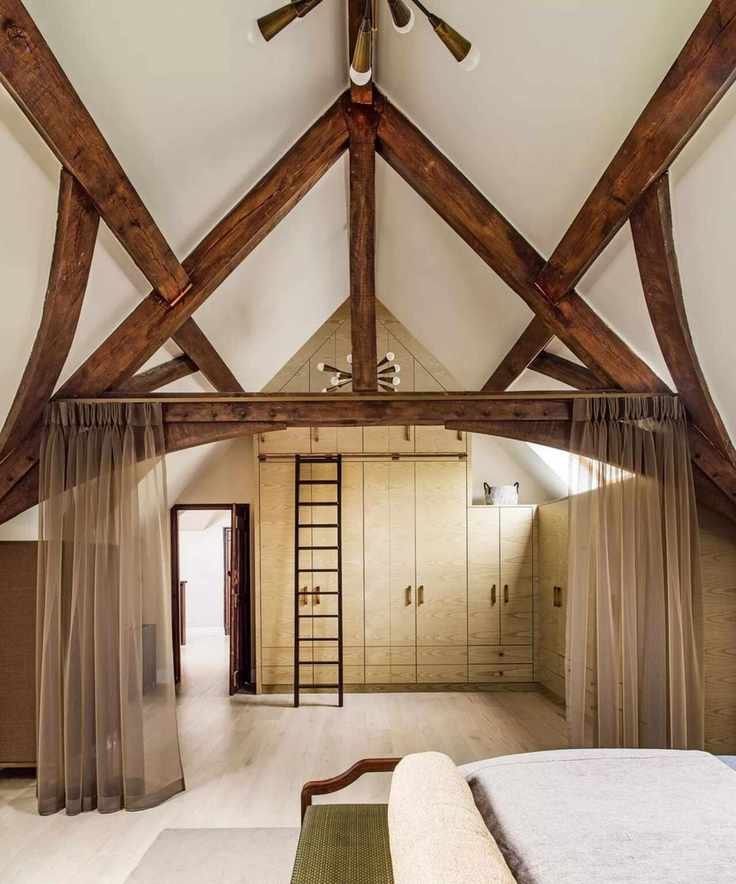
Feng Shui can be implemented throughout the home for various purposes. For example, incorporating Feng Shui in the living room is crucial, as it serves as the central gathering area for family and friends. It’s also the first space you encounter, making the right energy essential.
If you’re new to Feng Shui, start by adding plants with specific Feng Shui meanings to your home.
Anjie particularly emphasizes the bedroom, as it's one of the few private spaces. “You spend a lot of time in your bedroom. Your environment significantly influences your rest and rejuvenation. In this passive state, you’re more attuned to surrounding energies, making Feng Shui particularly important.”
The Five Principles of Feng Shui
The five elements of Feng Shui—water, earth, fire, metal, and wood—are derived from Taoist philosophy. They illustrate how nature's cycles work together harmoniously. Each element has associated qualities, colors, and shapes that can enhance your home.
Water: Represents wisdom and connection to others. Deep blues, blacks, and flowing shapes embody water. You can introduce it through water features or imagery.
Earth: Associated with nourishment and self-care, this element is symbolized by earthy tones like yellow, orange, and brown, as well as sturdy, square objects. You can easily incorporate earth tones through larger items like desks or rugs.
Fire: A symbol of passion, fire can be introduced through lighting and warm colors, such as reds and oranges, and angular shapes.
Metal: Often present in homes, metal signifies joy and precision. It’s represented by white and gray shades, along with metallic finishes and circular forms.
Wood: Connected to growth and vitality, wood is represented by green and blue hues and tall, rectangular shapes. Incorporating houseplants is a great way to include this element.
Next, explore how to use Feng Shui principles to support your New Year’s resolutions.


