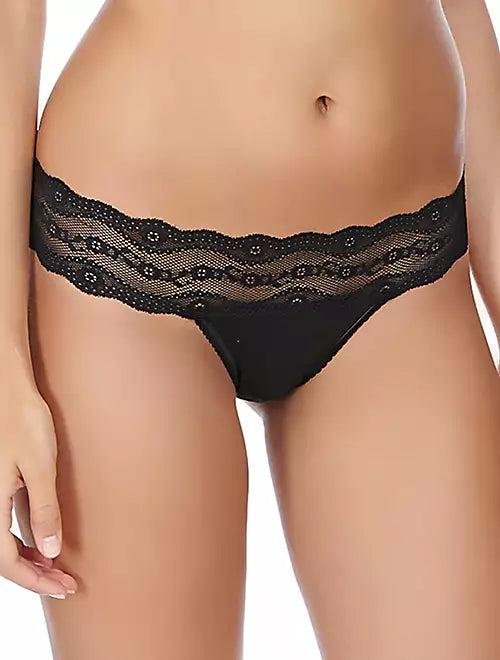
Replacing underwear every 6-12 months is vital for maintaining good hygiene. Many women overlook this essential aspect of personal care, unaware that undergarments have a limited lifespan.
So, how often should you refresh your collection? Regularly replacing underwear is key to hygiene and preventing potential health complications.
Importance of Replacing Underwear
Underwear is constantly in contact with sensitive areas of the body, making hygiene critical. Clean undergarments absorb sweat, oils, and bacteria, helping to prevent skin irritations and infections. Over time, old underwear can harbor harmful microorganisms that may lead to various health issues. Additionally, worn-out underwear may lack the support and coverage needed, resulting in discomfort.
Recommended Replacement Frequency
Experts suggest women should replace their underwear every 6 to 12 months. This schedule helps ensure a fresh rotation, minimizing wear and tear from frequent use. Regularly updating your collection guarantees clean undergarments, free from bacteria and contaminants.
Factors Influencing Replacement
Several factors impact how often you should replace your underwear. Consider the fabric quality, wear frequency, and personal hygiene habits. High-quality underwear made from breathable materials may last longer than cheaper options. Having enough pairs allows for proper rotation, enhancing hygiene. If you lead an active lifestyle or sweat more, you might need to replace your underwear more frequently.
Signs It's Time for New Underwear
While the 6 to 12-month guideline is a good rule, certain indicators suggest it's time to replace your underwear sooner. Look for fraying elastic, holes, stubborn stains, persistent odors, or tears. If any of these signs appear, it's time to invest in new pairs, especially if they cause discomfort.
Discarding old underwear is crucial for hygiene, so don't hesitate to get rid of undergarments that have seen better days. Refreshing your collection is a natural part of maintaining a healthy wardrobe.
By adhering to these guidelines and being mindful of your underwear's condition, you can support your hygiene and overall well-being. Remember, quality underwear is essential to your daily comfort.
Health Risks of Old Underwear
Wearing old underwear can pose hidden dangers. Even with frequent washing, aging fabric can accumulate bacteria that thrive in thin spots and small holes. This buildup increases the risk of health issues like urinary tract infections and yeast infections, particularly in sensitive areas. As fabric deteriorates, it loses its protective qualities, leading to irritation and discomfort. To minimize these risks, experts recommend replacing underwear every 6 to 12 months. If your underwear is misshapen, holey, or lacks freshness after washing, it's a clear sign to replace it.
Eco-Friendly Underwear Choices
To make your underwear drawer more sustainable, consider switching to eco-friendly fabrics like organic cotton, bamboo, or recycled materials. These options are gentler on the planet and typically more durable. Many brands now offer premium fabrics known for their comfort and breathability. When shopping, prioritize brands that practice responsible production. Some companies even provide recycling programs or suggest repurposing old underwear as cleaning rags. Choosing eco-friendly underwear supports sustainability while providing comfort.
Tips for Underwear Care
Proper care can extend the life of your underwear and keep each pair feeling fresh. Wash in cold water to protect fabrics and prevent shrinkage. Avoid hot water, which can compromise elasticity and damage fabric. Hand washing in warm water is gentler and preserves quality. When drying, avoid direct sunlight and high heat, which can fade colors and weaken the fabric. Instead, air dry in a ventilated space to maintain cleanliness and prevent bacteria buildup.
Building a Quality Underwear Collection
Start by selecting the right fabrics and styles for your needs. Experts recommend having at least 7-10 pairs for daily wear and washing. Opt for high-quality, sustainable materials that offer comfort and durability. Consider your lifestyle when choosing styles and maintain a sufficient rotation to extend each pair's life. Invest in brands that emphasize eco-friendly practices to create a functional and comfortable collection.